2025 Top Car System Installation Tips for a Seamless Experience
When it comes to enhancing your driving experience, a well-executed car system installation can make all the difference. In 2025, the technology available for car systems has grown exponentially, allowing for an array of options that cater to various needs and preferences. Whether you're looking to upgrade your audio system, install a cutting-edge navigation device, or integrate smart technology into your vehicle, understanding the best practices for car system installation is essential for achieving a seamless experience.
This article outlines the top tips for successful car system installation, focusing on ensuring compatibility, selecting the right components, and executing the installation process with precision. By following these guidelines, you can transform your vehicle into an immersive environment that not only enhances entertainment but also improves safety and connectivity on the road. Emphasizing the importance of planning and execution, the upcoming sections will empower you with the knowledge needed to tackle your car system installation with confidence and ease.
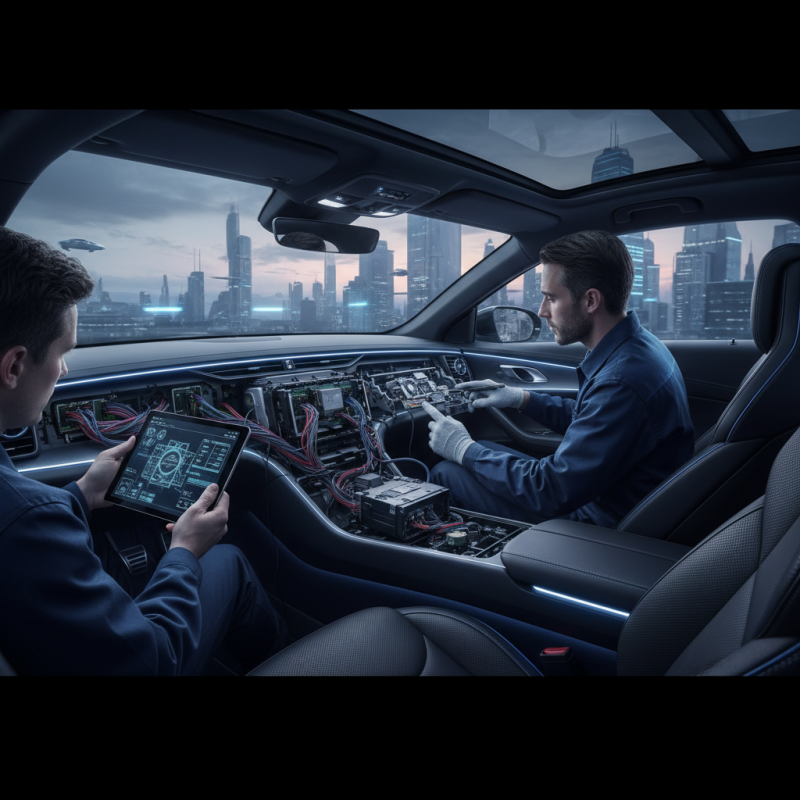
Essential Tools and Equipment for Car System Installation
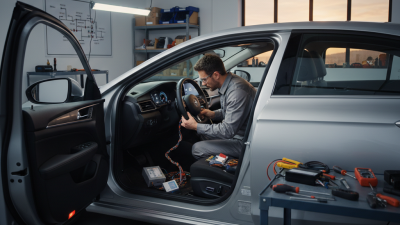
When diving into car system installation, having the right tools and equipment is crucial for ensuring a smooth and efficient process. Essential items include a quality set of screwdrivers, a wire stripper, and a soldering iron, which are vital for tasks such as removing and securing components. Additionally, a multimeter is invaluable for measuring voltage and ensuring connections are secure during installation. For those tackling more complex systems, a dash removal kit can save time and prevent damage to your vehicle’s interior.
When preparing for installation, organization is key. Set up a workspace that is well-lit and clutter-free, allowing easy access to your tools and the car's components. It's also beneficial to have zip ties and electrical tape on hand for neat and secure wiring. Don’t forget to invest in a good quality installation manual specific to the system you're working with. This will provide guidance and help avoid potential pitfalls, ensuring that your installation goes off without a hitch.
One important tip is to double-check all connections before powering on the system. A simple mistake can lead to frustrating delays, so take the time to verify each step. If you're working with a sound system, make sure to test the speakers before finalizing everything to ensure optimal performance. By following these tips and utilizing the right tools, you can achieve a seamless installation experience.
Step-by-Step Guide to Selecting the Right Car Audio Components
When it comes to upgrading your car audio system, selecting the right components is crucial for achieving a seamless listening experience. Begin by understanding your needs and preferences. Are you looking for deeper bass, clearer vocals, or a balance of both? Listening styles vary, so take a moment to analyze what your ideal sound profile is before making any purchases. This will guide you in choosing the appropriate speakers, amplifiers, and receivers that align with your audio goals.
Next, consider the compatibility of the components with your vehicle. Not all speakers or amplifiers will fit into every car, so it's essential to check the specifications of your current setup. Look for products that match the dimensions and power requirements of your existing system to ensure optimal performance. Additionally, pay attention to the materials used in the components; higher quality materials often lead to better sound reproduction and longevity. Lastly, if you're unsure about technical specifications, consulting with a professional installer can provide valuable insights and help you make informed decisions.
Tips for Properly Wiring Your Car Audio System
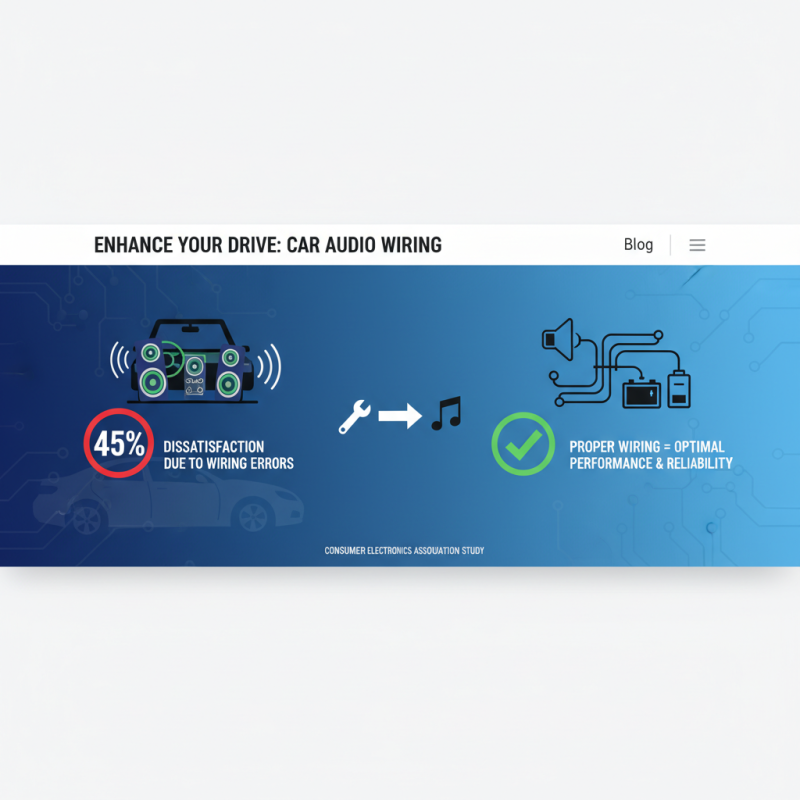
When it comes to enhancing your driving experience, a well-installed car audio system is essential. Proper wiring of your car audio system not only ensures optimal performance but also minimizes potential issues down the road. According to a study by the Consumer Electronics Association, 45% of car owners express dissatisfaction with their audio system largely due to installation errors. Therefore, careful attention during the wiring process is crucial.
Tips for properly wiring your car audio system include organizing your cables to prevent interference. Using color-coded wiring and sturdy connectors can significantly simplify the installation process. Additionally, ensuring that you have the right gauge wire for your system will help maintain audio quality while preventing overheating. The Automotive Aftermarket Industry Association states that incorrect wiring can lead to an 80% increase in electrical failures in car audio systems, making it imperative to follow the best practices in the industry.
Another important aspect is grounding. Ensure that all ground connections are securely fastened and are attached to a clean, bare metal surface to avoid noise and performance issues. An improperly grounded system can result in audible hums or buzzes, greatly detracting from your listening experience. Statistics reveal that up to 30% of audio system problems are related to poor grounding, underscoring the importance of this often-overlooked detail.
Best Practices for Mounting and Securing Car Electronics
When installing car electronics, proper mounting and securing practices are crucial to ensure both functionality and safety. According to a report by the Consumer Electronics Association, improper installation can lead to equipment failure or damage, and vehicle malfunctions, making it vital to adhere to best practices. One of the foremost tips is to utilize the right type of mounting hardware that is specifically designed for automotive use. This not only ensures a sturdy hold but also minimizes vibrations, which can lead to wear over time. Using vibration-dampening materials and methods can significantly extend the lifespan of the installed components.
Another key aspect is the organization of wiring. According to a study published in the Journal of Automotive Engineering, poorly managed wires can create hazards by interfering with vehicle operations or becoming damaged themselves. Therefore, using cable ties and clips to secure wires out of the way reduces the risk of accidents and keeps the installation looking clean and professional. Ensuring that all connections are properly insulated and protected from exposure to moisture can further enhance reliability. By following these best practices, installers can achieve a seamless integration of car electronics that not only boosts functionality but also contributes to overall vehicle safety.
2025 Top Car System Installation Tips for a Seamless Experience
| Tip Number |
Installation Tip |
Description |
Best Practices |
| 1 |
Read the Manual |
Always start by reading the user's manual for your specific car system. |
Follow instructions provided by the manufacturer to avoid errors. |
| 2 |
Use Quality Tools |
Invest in a good set of tools suitable for car electronics installation. |
Ensure all tools are in good condition to avoid damaging components. |
| 3 |
Plan Wiring Layout |
Map out where all wires will go before starting the installation. |
Use zip ties to secure wiring and keep everything tidy. |
| 4 |
Test Before Finalizing |
Test all connections and the system functionality before sealing everything. |
This helps in troubleshooting any issues before completing the project. |
| 5 |
Secure Devices Properly |
Ensure that all devices are mounted securely to avoid movement. |
Use brackets and screws provided by the manufacturer for installation. |
Troubleshooting Common Installation Issues for Optimal Performance
When installing a car audio system, encountering issues is not uncommon. One of the most common problems during installation is wiring complications. It's essential to carefully follow wiring diagrams and ensure that connections are secure. Loose or incorrectly connected wires can lead to short circuits, poor sound quality, or even complete system failure. To avoid this, double-check all connections against the installation guide before powering up the system. Additionally, using high-quality connectors and ensuring proper insulation can significantly reduce the chances of future issues.
Another frequent problem is compatibility between different components of the audio system. Before installation, it's crucial to verify that the head unit, speakers, and amplifiers are compatible with one another. Mismatched impedance ratings can lead to distortion or even damage to components. If unexpected sound issues arise after installation, checking the settings on your head unit is also important. Many modern systems offer adjustable settings that can optimize performance based on the vehicle's acoustics. Experimenting with these settings can resolve such issues and enhance the overall listening experience, ensuring that you get the most out of your new investment.