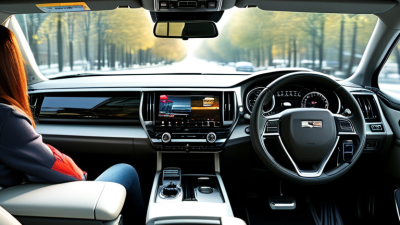
Choosing among the 2026 top car audio systems requires more than comparing wattage, screen size, or brand reputation. Global buyers face different vehicles, climates, road conditions, and service networks. A system that sounds impressive in a quiet showroom may become harsh on a hot highway.
Richard Clark, a respected car audio competitor and educator, famously said, “The installation is more important than the equipment.” That principle still matters. A carefully tuned DSP, correctly placed speakers, and sealed door panels can outperform expensive hardware installed carelessly. Small details matter. Think of clean wiring, stable power, and a subwoofer that adds depth without shaking every mirror.
This guide examines practical choices for international drivers. It considers factory integration, smartphone compatibility, voltage requirements, language support, warranty coverage, and professional installation. It also compares sound quality across compact cars, SUVs, vans, and luxury vehicles. Some buyers want concert-like detail. Others need clear voice navigation during long commutes. Both priorities are valid.
There is no universally perfect system. That is worth admitting. Personal taste, cabin acoustics, and budget can change the result dramatically. Even respected reviews cannot reproduce every vehicle interior. Readers should treat specifications as evidence, not promises. Listening tests remain essential whenever possible.
The strongest 2026 options balance performance, reliability, upgrade flexibility, and local support. For global buyers, sensible integration may matter more than dramatic specifications. A refined system should sound natural at low volume and controlled when played loudly. It should also remain dependable after months of daily use.
A modern car audio system in 2026 is more than speakers and loudness. It is a software-managed sound environment, connected to navigation, voice control, and personal devices. Grand View Research’s 2024 automotive audio analysis projects market growth above 5% annually through 2030. That growth reflects rising demand for clearer calls, adaptive sound, and immersive listening.
The cabin now matters as much as the hardware. Microphones can adjust output around road noise, open windows, and different seating positions. Digital signal processing can create a wider soundstage without adding many speakers.
Wireless smartphone integration is also becoming essential. Deloitte’s 2024 Global Automotive Consumer Study surveyed more than 26,000 consumers across 28 countries. Its findings show that buyers value dependable technology, but they still place quality and reliability first.
That balance is often missed. A system can sound impressive in a showroom, then lose detail on rough roads. Bigger numbers do not guarantee better music. I would test speech clarity at low volume, bass control on uneven pavement, and connection stability after restarting the vehicle. Support for high-resolution files is useful, but poor tuning remains obvious. Thermal efficiency, repair access, and software updates should also define a modern system. The industry still talks too much about immersion and too little about everyday usability.
2026 Top Car Audio Systems for Global Buyers
Key Components and Technologies Behind Car Audio Performance
A strong car audio system begins with the signal path, not the loudest speaker. The head unit manages digital files, wireless connections, and system controls. A digital signal processor then adjusts timing, equalization, and crossover points. These settings help sound reach the driver’s seat more evenly.
Amplifiers provide clean power, but wattage alone can mislead buyers. Match amplifier output with speaker sensitivity and impedance. Component speakers usually deliver clearer vocals than basic full-range units. A compact subwoofer can add depth without consuming the entire cargo area. Tight bass feels like a controlled door vibration, not a loose rattle.
Cabin acoustics remain difficult. Glass, seats, and hard panels reflect different frequencies. Professional installers use measurement microphones and test tracks before final tuning. I have found that a modest system, carefully adjusted, can outperform expensive equipment installed carelessly. That judgment is not always perfect. Personal taste still changes the result.
Global buyers should check operating voltage, connector compatibility, language support, and local installation standards. Wireless audio should support stable connections and practical file formats. Heat protection, sealed wiring, and secure mounting improve long-term reliability. Ask for documented testing and clear warranty terms. Real performance depends on the complete system, the vehicle cabin, and the person tuning it.
2026 Top Car Audio Systems for Global Buyers
Sound quality starts with measurable details, not loudness claims. Check frequency response, total harmonic distortion, signal-to-noise ratio, and amplifier RMS power. Peak power often looks impressive but reflects short bursts. J.D. Power’s 2024 U.S. Tech Experience Index reported 49.1 infotainment problems per 100 vehicles. That finding makes stable controls and clear pairing more valuable than decorative features. Listen to vocals, cymbals, and bass separately. A good system should keep a voice natural at moderate volume. Cabin reflections can still change the result.
Vehicle compatibility requires careful checking. Confirm dashboard dimensions, wiring harnesses, speaker impedance, steering-wheel controls, cameras, and parking sensors. Regional radio standards also matter, including FM, DAB, and digital broadcast support. Cellular compatibility may affect connected services across countries. I once trusted a high wattage figure and ignored speaker sensitivity. The result sounded weak. That mistake still matters. Professional installation documentation and vehicle-specific testing are more reliable than a universal fit label.
Tips: Compare the same song at the same volume. Use uncompressed files when possible. Check microphone clarity during a hands-free call. Review the installation manual before buying. Leave space for ventilation behind the receiver. Consumer Reports’ vehicle technology research repeatedly shows that complicated interfaces can reduce user satisfaction. More features are not always better. A clear menu, physical volume control, and dependable phone integration may outperform a crowded display. Pricing also deserves skepticism, because included adapters can change the final cost.
How to compare sound quality, features, and vehicle compatibility
Global buyers need more than loudness when choosing a 2026 car audio system. The best category depends on vehicle size, climate, road surfaces, and listening habits. For daily commuters, factory-replacement systems offer balanced sound and simple controls. They suit buyers who value reliable integration over maximum volume. A compact all-in-one unit can be practical in small cars and older dashboards. Keep it simple.
Drivers who enjoy detailed vocals may prefer component systems with separate tweeters and woofers. These systems create clearer staging, but installation quality matters greatly. In hot regions, ventilation around amplifiers deserves careful attention. In humid or dusty areas, sealed connectors and protected mounting points can reduce maintenance problems. Large vehicles and commercial users often need high-efficiency systems with strong midrange output. They should not sacrifice speech clarity for bass.
Premium buyers may choose digital signal processing, multiple channels, and adjustable time alignment. This category rewards professional tuning, especially when seats sit far from the speakers. Global travelers should also check local fitting rules, electrical standards, and warranty support. A system that works beautifully in one market may be difficult to service elsewhere. My practical caution is simple: specifications can mislead. A higher power rating does not guarantee better music. Listen from the driver’s seat, test familiar recordings, and inspect the wiring before purchase. I have sometimes favored strong bass, then regretted the fatigue on long drives. That mistake is useful, because comfort should guide the final category choice.
For global buyers, a top car audio system must survive more than a showroom demonstration. Installation quality matters first. Technicians should check the vehicle’s wiring, CAN-bus controls, speaker impedance, and dashboard depth. A poor harness connection can create noise, battery drain, or lost steering-wheel functions. Regional radio standards also matter. FM, DAB, satellite, and digital frequencies may differ between countries.
Connectivity needs careful testing. GSMA’s Mobile Economy 2024 report estimates 4.7 billion mobile internet users worldwide, yet coverage and data costs remain uneven. Choose systems supporting stable Bluetooth, wired smartphone integration, offline navigation, and local language settings. J.D. Power’s 2024 U.S. Tech Experience Index identified infotainment as the most problematic vehicle technology category. More features can create more failure points. A large screen is not automatically better. I still question systems that hide basic volume controls inside menus.
Tips: Before buying, photograph the factory connectors and measure the mounting space. Confirm regional tuner compatibility, app availability, warranty coverage, and software update methods. During maintenance, inspect microphone placement, clean ventilation openings, and check for firmware conflicts after vehicle servicing. Keep the original settings backed up. Heat, dust, and weak batteries can reduce performance faster than expected. Deloitte’s 2024 Global Automotive Consumer Study also highlights continuing consumer interest in convenient, familiar vehicle technology, so simple operation deserves equal attention.
| System Type | Best Use Case | Typical Continuous Power | Common Speaker Configuration | Connectivity | Installation Complexity | Vehicle Compatibility | Maintenance Requirements | International Buying Factors | Typical System Cost Range | Overall Suitability |
|---|---|---|---|---|---|---|---|---|---|---|
| Factory-Style Replacement Receiver | Drivers who want modern features while preserving the original dashboard appearance | Approximately 14–22 watts RMS per channel from the built-in amplifier | Usually supports 4 to 6 factory speakers | Bluetooth hands-free calling, wireless or wired smartphone projection, USB, AM/FM, and sometimes digital radio | Low to medium; vehicle-specific wiring adapters may be required | Best for vehicles with a standard or replaceable head-unit opening | Keep firmware updated, clean the screen with a soft cloth, and check wiring connections if sound cuts out | Verify dashboard size, steering-wheel control support, radio frequency compatibility, language settings, and local installation standards | Approximately US$150–500 for the receiver and basic accessories | ★★★★☆ |
| Premium Component Speaker System | Listeners who prioritize clear vocals, detailed instruments, and a wide front soundstage | Approximately 50–120 watts RMS per channel with a suitable external amplifier | Separate tweeters, midrange or midbass drivers, and passive crossovers | Uses the vehicle receiver or an external amplifier; connectivity depends on the main receiver | Medium; door treatment, tweeter positioning, and crossover placement affect results | Compatible with many vehicles when speaker diameter, mounting depth, and impedance are checked | Inspect door moisture protection, tighten terminals, and avoid prolonged operation at audible distortion levels | Check metric mounting dimensions, speaker impedance, import duties, and availability of compatible adapter rings | Approximately US$200–900, excluding professional installation | ★★★★★ |
| Coaxial Speaker Upgrade | Cost-conscious upgrades using the existing speaker locations | Approximately 30–75 watts RMS per channel | Two-way or three-way coaxial speakers with integrated tweeters | Works with factory or aftermarket receivers; no separate digital connection is required | Low to medium; normally a direct replacement when size and mounting depth match | Suitable for vehicles with common 4-inch, 5.25-inch, 6.5-inch, or 6x9-inch speaker locations | Check for rattles, water exposure, loose grilles, and damaged speaker surrounds | Confirm speaker size, mounting depth, connector type, impedance, and shipping protection | Approximately US$80–350 for four speakers | ★★★★☆ |
| Multi-Channel Amplified System | Vehicles requiring higher volume, improved dynamic range, and better control of multiple speakers | Approximately 50–100 watts RMS per channel for four channels, depending on system design | Four full-range channels or front component speakers plus rear speakers | Receives audio through speaker-level or line-level inputs; the source receiver determines wireless features | Medium to high; requires power wiring, grounding, fuse protection, and careful gain adjustment | Works with factory or aftermarket receivers when input compatibility is confirmed | Keep ventilation clear, inspect the main fuse and ground point, and check for heat-related shutdowns | Confirm vehicle electrical capacity, amplifier voltage range, fuse requirements, wiring regulations, and local installer expertise | Approximately US$250–1,000, excluding advanced sound tuning | ★★★★★ |
| Compact Powered Subwoofer | Small vehicles or buyers seeking deeper bass without using much cargo space | Approximately 100–300 watts RMS | One enclosed woofer with a built-in amplifier, often in a slim enclosure | Speaker-level and line-level inputs are common; wireless control is system-dependent | Medium; requires secure mounting, power wiring, grounding, and signal connection | Suitable for many hatchbacks, sedans, and compact sport utility vehicles | Secure the enclosure, keep vents clear, and check power and signal cables for abrasion | Check available mounting space, vehicle battery capacity, enclosure dimensions, input voltage, and shipping size | Approximately US$180–650 | ★★★★☆ |
| Dedicated Subwoofer and Monoblock Amplifier | High-output bass for enthusiasts who want strong low-frequency performance | Approximately 500–2,000 watts RMS, depending on impedance and system design | One or more subwoofers in a sealed or ported enclosure | Usually connected through a receiver, digital signal processor, or line-output converter | High; requires correctly sized power cables, fuse protection, enclosure design, and system tuning | Best for vehicles with adequate cargo space and sufficient electrical-system capacity | Inspect enclosure fasteners, amplifier temperature, cable terminals, and subwoofer cone or surround condition | Evaluate alternator and battery capacity, maximum current demand, enclosure shipping restrictions, and noise regulations | Approximately US$500–2,500 or more | ★★★★☆ |
| Digital Signal Processor Tuned System | Vehicles with difficult factory acoustics, road noise, or irregular speaker locations | Depends on the connected amplifier; commonly 50–150 watts RMS per main channel | Flexible configurations using factory or upgraded speakers and one or more subwoofers | Analog, speaker-level, optical, USB, or network inputs may be available depending on the processor | High; requires measurement, equalization, crossover setup, time alignment, and professional calibration | Useful for modern vehicles where replacing the factory receiver is impractical | Save configuration files, protect the processor from moisture, and recheck tuning after major system changes | Confirm software language, computer connectivity, regional support, input standards, and installer access | Approximately US$400–2,000 before speakers and amplifiers | ★★★★★ |
| Soundbar-Style or Under-Seat System | Pickup trucks, commercial vehicles, and cabins with limited door or dashboard space | Approximately 40–200 watts RMS, depending on the enclosure and amplifier | Integrated full-range drivers, sometimes combined with a compact subwoofer | Auxiliary input, Bluetooth, speaker-level input, or USB may be included | Low to medium; mounting and cable routing are usually simpler than a full custom installation | Suitable when under-seat clearance and mounting space are available | Remove dust, prevent water exposure, and verify that the enclosure remains firmly secured | Measure clearance in millimeters, check cabin voltage, confirm remote-control frequency compliance, and consider import packaging dimensions | Approximately US$150–700 | ★★★☆☆ |
| OEM-Integrated Upgrade with Factory Controls | Newer vehicles where retaining safety alerts, cameras, climate controls, and factory interfaces is important | Approximately 20–100 watts RMS per channel, depending on the factory integration method | Factory speakers, upgraded speakers, or a combination of both | Retains selected factory controls and may add smartphone projection through an interface module | High; vehicle data networks, factory amplifiers, and safety-related interfaces may be involved | Vehicle-specific and dependent on model year, factory audio architecture, and available interface modules | Use qualified technicians, avoid unauthorized network modifications, and retain original parts for future servicing | Check model-year compatibility, regional vehicle electronics, software licensing, language support, and authorized service availability | Approximately US$500–2,500 or more | ★★★★★ |
| Portable Bluetooth Audio System | Temporary use, rental vehicles, older vehicles, or buyers who do not want permanent modifications | Approximately 5–50 watts RMS | Integrated full-range drivers, with no vehicle speaker replacement | Bluetooth, USB charging, and sometimes auxiliary input | Very low; no permanent wiring or dashboard modification is normally required | Works with nearly any vehicle, provided the unit can be safely secured | Recharge the battery, protect the unit from heat, and prevent movement during driving | Check wireless regulations, charger plug compatibility, battery transport rules, and local warranty coverage | Approximately US$50–300 | ★★★☆☆ |

Cost ranges are indicative international market estimates in U.S. dollars and can vary according to country, taxes, shipping, installation labor, vehicle compatibility, and system configuration.

| Sunday | CLOSED | |
| Monday | 9AM-12PM | 1PM-6PM |
| Tuesday | 9AM-12PM | 1PM-6PM |
| Wednesday | 9AM-12PM | 1PM-6PM |
| Thursday | CLOSED | |
| Friday | 9AM-12PM | 1PM-6PM |
| Saturday | 10AM-12PM | 1PM-6PM |
Please note that we are closed for lunch from 12PM-1PM daily.