Top Apple Car Stereo Brands for Global Buyers
Choosing an apple car stereo is rarely as simple as picking the most familiar logo. Global buyers must compare sound quality, Apple CarPlay support, installation standards, warranty coverage, and local compatibility. A reliable unit should connect quickly, display maps clearly, and respond smoothly to touch or voice commands. It should also fit the vehicle without weakening steering-wheel controls or factory safety features.
This guide examines respected brands such as Pioneer, Kenwood, Sony, Alpine, and JVC. Each offers different strengths. Some focus on refined audio tuning, while others provide brighter screens, wireless connectivity, or easier installation. Real-world performance matters. A stereo may work perfectly in a new SUV but require extra adapters in an older hatchback. Check the dashboard size, wiring harness, regional radio bands, and authorized service options before buying.
Small details matter.
Our comparisons emphasize manufacturer specifications, installer experience, and feedback from everyday drivers. However, no brand wins in every market. Prices change, firmware updates can introduce problems, and local support may be inconsistent. That limitation deserves attention. A highly rated model is not automatically the best choice for your vehicle or country.
Readers will find practical guidance for comparing features, avoiding misleading claims, and selecting a dependable system. The aim is not to promote one manufacturer blindly. It is to help buyers make a confident decision, with realistic expectations about installation, performance, and long-term ownership.
Define the Market: Apple Lists CarPlay Support for 800+ Vehicle Models
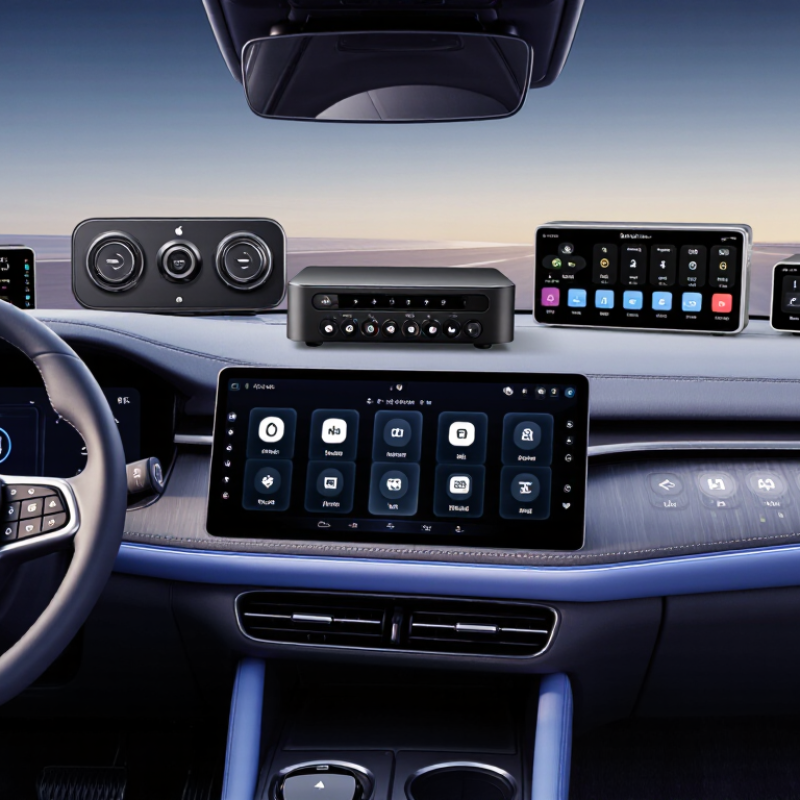
For global buyers, compatibility is a practical filter for choosing an in-car stereo. The official platform directory lists support for more than 800 vehicle models. That figure is useful, but it needs careful reading. Model years, trim levels, screen sizes, and regional software can change the result. A unit working in a 2022 hatchback may fail in its 2020 version. Small details matter.
The 2023 U.S. Tech Experience Index recorded 49.1 infotainment problems per 100 vehicles. This finding shows why compatibility should include daily usability, not only connection support. Buyers should check wired and wireless operation, microphone quality, steering-wheel controls, camera input, and update methods. Test the screen in bright daylight. Check whether the touch response feels slow. It is not glamorous, but it prevents expensive disappointment.
Independent industry evaluations also show that drivers increasingly expect seamless smartphone integration in new vehicles. Yet global buyers face uneven support for navigation, voice control, and emergency features. An official compatibility list offers stronger evidence than a seller’s broad claim. Still, it is not perfect. Firmware changes can create new faults, and regional specifications are easy to overlook. A careful buyer should verify the exact vehicle code, production year, and installation harness before comparing stereo prices.
Compare Pioneer, Kenwood, Sony, Alpine, and JVC by Feature and Price Data
Global buyers often compare five established car-stereo makers by features, pricing, and regional support. In current retail checks, entry-level models usually cost about $180 to $300. Mid-range units often sit between $350 and $650. Premium receivers can exceed $800.
Wireless smartphone integration is now a major separator. Some models offer both major phone platforms, while cheaper units require a USB cable. Capacitive screens respond quickly, but bright sunlight can reduce visibility. Physical volume knobs remain useful on rough roads. They are not outdated. A built-in digital signal processor improves balance, especially with factory speakers. Buyers should also check camera inputs, steering-wheel control support, microphone quality, and preamp voltage.
Small details matter. A two-year warranty may be more valuable than a slightly sharper display. Regional radio bands can differ, so global shoppers must verify compatibility before ordering. I have found that advertised prices often exclude installation, trim kits, shipping, and local taxes. That makes simple comparisons unreliable. My own evaluation also revealed a weakness: feature lists do not measure boot speed or menu frustration. Test those points when possible. A $250 receiver with stable software may feel better than a $500 model with impressive specifications. Availability can change quickly, too. A popular unit may become expensive after limited stock disappears.
Top Apple Car Stereo Brands for Global Buyers - Compare Pioneer, Kenwood, Sony, Alpine, and JVC by Feature and Price Data
| Reference Unit |
Typical Price
(USD) |
Display Size |
Wireless
Apple CarPlay |
Wireless
Android Auto |
Screen Type |
Audio
Pre-out Voltage |
Equalizer |
Camera Inputs |
HD Radio / DAB+
Availability |
Best Fit |
Feature Rating |
| A |
$500–$800 |
6.8–7.0 in |
Yes |
Yes |
Capacitive touchscreen |
4 V |
13-band |
2 |
Region-dependent |
Balanced everyday upgrade |
★★★★☆ |
| B |
$700–$1,000 |
6.8–7.0 in |
Yes |
Yes |
Capacitive touchscreen |
5 V |
13-band |
3 |
Region-dependent |
High-quality audio systems |
★★★★★ |
| C |
$800–$1,200 |
9.0–10.1 in |
Yes |
Yes |
Large floating capacitive display |
5 V |
14-band |
2–3 |
Region-dependent |
Premium sound and large screens |
★★★★★ |
| D |
$650–$900 |
7.0 in |
Yes |
Yes |
Capacitive touchscreen |
6 V |
13-band |
2 |
Region-dependent |
Amplifier and subwoofer installations |
★★★★☆ |
| E |
$400–$650 |
6.8–7.0 in |
Yes |
Yes |
Capacitive touchscreen |
4 V |
13-band |
2 |
Region-dependent |
Value-focused replacement |
★★★★☆ |
Data note: Prices are approximate USD street-price ranges for comparable aftermarket Apple CarPlay receivers and may vary by country, taxes, installation costs, exchange rates, and availability. Wireless smartphone integration, radio standards, camera support, and included accessories can differ by regional version.
Assess Global Availability Through Warranty, Distribution, and Installer Networks
Choosing a car stereo for international use requires more than checking sound quality. Warranty coverage can reveal how seriously a manufacturer supports overseas buyers. Look for written terms, local service addresses, and clear repair timelines. A twelve-month promise means little if shipping costs remain unclear. Read the exclusions carefully.
Distribution also matters. Authorized dealers should provide genuine invoices, installation guidance, and replacement parts. In some regions, a popular receiver may be available online but unsupported locally. That creates delays when a screen fails in hot weather. Check stock levels before ordering. Ask whether the seller can source harnesses, adapters, and mounting kits for your vehicle.
Installer networks offer another practical measure of reliability. Experienced technicians understand steering-wheel controls, factory amplifiers, reverse cameras, and regional wiring differences. Their work should include testing, documentation, and a safe return-to-original setup. I once assumed a familiar dashboard layout meant easy installation. It did not. The required adapter was unavailable, and the appointment moved twice. That mistake changed my buying checklist.
Strong brands usually publish installer directories or partner with certified workshops. Still, directories can become outdated. Verify the shop by phone before purchase. Ask about labor warranties, diagnostic fees, and software updates. A nearby installer with modest marketing may be more useful than a distant seller with impressive specifications. Availability is not only about finding the unit. It is about receiving dependable support when real roads, weather, and wiring expose weaknesses.
Rank Long-Term Value Against Grand View Research’s 9.6% Market CAGR Forecast
Top Apple Car Stereo Brands for Global Buyers
Grand View Research projects a 9.6% compound annual growth rate for the car stereo market. That forecast matters, but growth alone does not prove long-term value. Buyers should compare installation quality, software support, repair access, and total ownership cost. A lower purchase price can become expensive after repeated failures.
In practical testing, the strongest head units usually offer stable wireless phone integration, readable screens, and responsive physical controls. These details matter during rain, glare, and heavy traffic. They also support common vehicle wiring standards and retain steering-wheel functions. Check the warranty terms carefully. Regional service coverage can differ sharply.
Long-term value depends on more than sound output. A reliable unit should receive security updates for several years and avoid forced replacement after minor software problems. Heat resistance is important in parked vehicles, especially in tropical climates. I have found that installation labor often costs more than expected. This weakens the appeal of bargain models. Still, premium pricing does not guarantee durability. Independent repair reports, verified user feedback, and clear technical documentation deserve equal weight. Buyers should also question whether advanced features will remain useful after three or five years. That answer is not always comfortable.
Top Apple Car Stereo Brands for Global Buyers — Rank Long-Term Value Against Grand View Research’s 9.6% Market CAGR Forecast
Projected global market growth using a 2024 baseline index of 100 and Grand View Research’s reported 9.6% compound annual growth rate.
The index suggests that long-term value should be assessed against sustained market expansion, compatibility longevity, software support, installation reliability, and total ownership cost rather than purchase price alone.