10 Best Audio Systems for Home and Business
Choosing from the 10 Best Audio Systems for Home and Business starts with one practical question: where will people listen? A compact living room, a busy café, and a conference room each place different demands on an audio system. The right choice should make speech clear, music balanced, and daily controls simple. Loud is not the same as clear.
Audio researcher Floyd Toole has emphasized that “the room is part of the playback system.” That principle matters. A reflective glass wall can make voices harsh, while a small speaker tucked behind furniture may lose detail. Placement, room size, and listening distance can change the result as much as a product’s specifications. Still, room treatment is not always practical, and no single system suits every space.
This guide compares systems by sound quality, coverage, connectivity, setup, and value. It considers home listening as well as business needs, including background music, presentations, and shared rooms. Some setups offer more control but demand more installation work. Others are easier to use, yet may lack flexibility. Those trade-offs deserve attention. The best fit is not necessarily the most expensive option; it is the one that performs reliably in the space you actually have. Before choosing, check compatibility, warranty details, and whether the system can handle your everyday use.
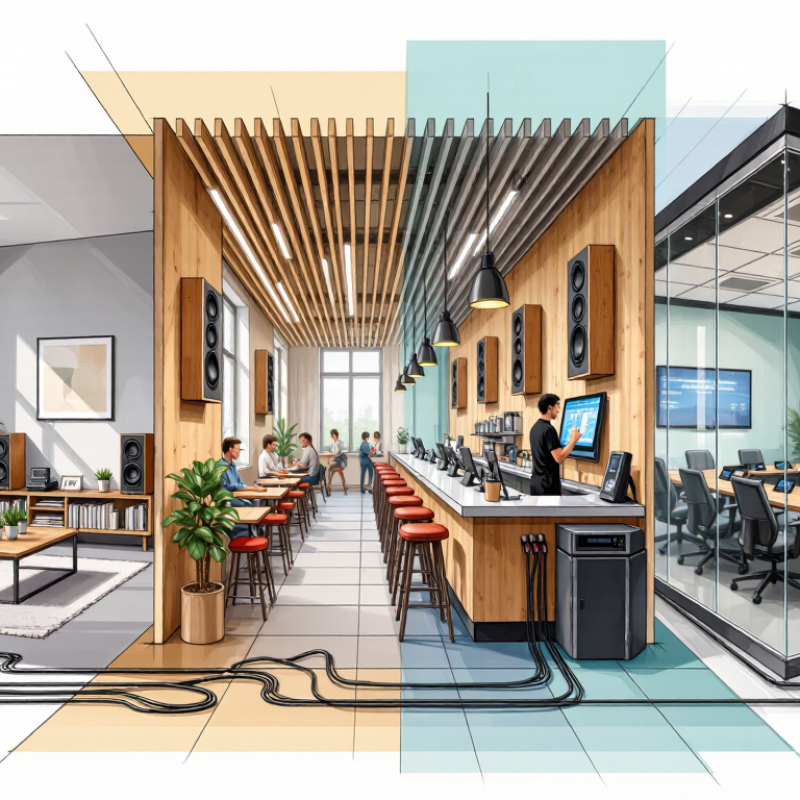
Understanding Audio Systems for Home and Business
An audio system combines sources, signal processing, amplification, speakers, and the room itself. Each part affects what listeners hear. A compact living room may need only a television connection and two well-placed speakers, while an open office may require several speaker zones. Room shape matters. Hard floors and bare windows can make speech sound sharp; rugs and curtains may soften reflections. Before choosing equipment, consider the room’s size, typical listening distance, and how many people need clear sound.
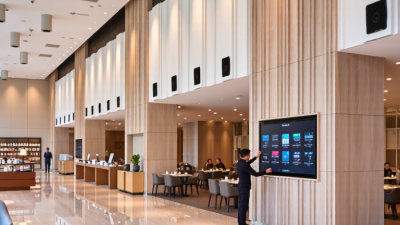
Home and business systems serve different routines. At home, listeners often value simple controls, balanced music, and easy connections between devices. In a business, even coverage and understandable speech may matter more than deep bass. A café, for example, needs consistent background audio across tables without overwhelming conversation. A meeting room needs voices to reach people at the far end. Separate volume zones can help, but they add setup and maintenance. More equipment is not always better.
Check power requirements, cable routes, ventilation, and future service access before installation. Test speech and music from several seats, not only beside the speakers. A sensible plan can still miss an awkward echo or a busy doorway. That is worth revisiting. Clear documentation and labeled controls also help staff adjust settings without guesswork.
Key Criteria for Comparing Audio Systems
Compare audio systems by room coverage, speech clarity, practical volume, connectivity, and serviceability—not peak wattage alone. In a shop, test from the counter and the farthest seating area. At home, listen from the sofa and an adjacent room. NIOSH’s 1998 occupational-noise criteria set an 85 dBA recommended exposure limit for an eight-hour workday, using a 3 dB exchange rate. That is a useful workplace reference, not a target listening level. Numbers need context.
For speech-focused spaces, check intelligibility with people present, doors open, and background equipment running. IEC 60268-16:2020 defines the Speech Transmission Index, scored from 0 to 1, as a method for assessing speech intelligibility. Ask for measurements at several listening positions, not just beside a speaker. Also check how the system handles low-volume speech, sudden peaks, and room echo. A showroom demo can hide these weaknesses. I would compare control simplicity and repair access, too; they matter during a busy shift, though they rarely appear on a spec sheet. A system may sound impressive in an empty room and still feel tiring after an hour.
Ten Top Audio Systems and Their Best Uses
Choosing among ten audio systems depends on room size, listening habits, and how clearly people need to hear speech. Compact bookshelf stereo systems suit bedrooms and small offices, while soundbars improve dialogue from televisions without filling a room with equipment. A 5.1-channel surround system works well for dedicated media rooms, but careful speaker placement matters. Ceiling speakers provide discreet coverage in kitchens or retail spaces. Distributed multiroom systems let staff or residents control sound in separate zones. Powered studio monitors offer detailed playback for editing and music production; they can sound too revealing for casual listening.
Business needs call for different tools. Conference-room systems combine microphones, loudspeakers, and processing to make remote conversations clearer. Installed public-address systems serve larger venues where announcements must reach evenly. Portable battery-powered PA systems fit pop-up events and outdoor presentations, though wind and background noise can still reduce clarity. Assisted-listening systems help people follow speech in meeting rooms, theaters, or reception areas. Before purchasing, check room dimensions, connection requirements, and who will operate the controls. A short listening test at realistic volume can expose harsh echoes or weak coverage. Specifications help, but they do not predict every room. I would leave room for adjustment; even a sensible plan can miss a troublesome corner.
Installation, Connectivity, and Room Setup
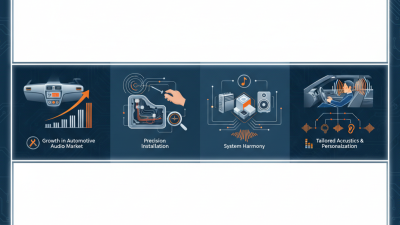
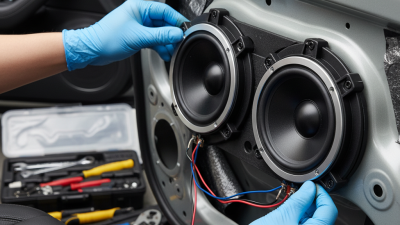
Installation begins with the room, not the equipment list. Measure its length, width, ceiling height, and likely listener positions. A small meeting room behaves differently. Hard glass and bare walls can make speech tiring, while rugs and curtains soften reflections. Place speakers so listeners hear similar levels, and avoid aiming them directly at reflective surfaces. For business spaces, test speech from the farthest seat, not just beside the control desk. For home listening, check that doors and furniture do not block sound.
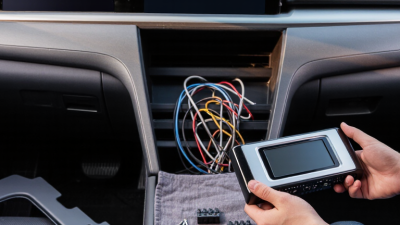
Connectivity deserves equal care. Map every source, display, microphone, and control point before choosing cable routes. AVIXA’s 2024 Industry Outlook and Trends Analysis projected global professional audiovisual revenue to reach $402 billion by 2028, up from $306 billion in 2023. That forecast reflects a growing, connected AV sector, but it does not guarantee that a complex setup suits every room. Keep cable runs labeled, leave access for repairs, and test wireless coverage where people actually use devices. A quick walk-through can expose dead zones. Still, room measurements cannot predict every reflection; listen, adjust speaker placement, and document what changed.
Maintenance and Long-Term System Value
An audio system earns its keep between installations, not on opening day. Dust on a ceiling grille, loose rack cables, or a blocked amplifier vent can quietly shorten service life. Check vents monthly, inspect connectors and speaker mounts quarterly, and log faults before they become room-wide failures. Small checks matter. AVIXA’s 2024 Industry Outlook forecasts global professional AV revenue reaching $325 billion by 2029, reflecting continued investment in installed systems.
That forecast is not a maintenance budget, though. NIST Handbook 135 includes acquisition, operation, maintenance, replacement, and disposal costs in life-cycle costing. For a school, café, or meeting room, record amplifier temperatures, firmware versions, cable replacements, and service dates in one log. Keep common connectors and suitable spares on site, but avoid stocking parts for equipment likely to be replaced. That judgment is imperfect. Review power draw and coverage after room changes; a moved table can expose dead zones that the original test missed. Recheck costs annually.