10 Best Car Audio Systems for Global Buyers

Choosing the right car audio system is no longer a simple matter of counting speakers. Global buyers now compare sound quality, smartphone integration, installation requirements, warranty coverage, and regional compatibility. A premium system can sound impressive in a showroom yet disappoint inside a noisy family SUV. That difference matters.

Market research supports this wider view. Grand View Research identifies connected-car technology and in-vehicle entertainment as important growth areas within the automotive sector. Fortune Business Insights also reports continued expansion in the global automotive infotainment market, driven by connectivity, consumer electronics, and demand for richer in-car experiences. These reports do not name the best individual products, but they explain why audio decisions are becoming more technical.

This guide examines 10 best car audio system choices for international buyers. It considers amplifier power, speaker design, digital signal processing, wireless connectivity, factory integration, and long-term support. It also considers listening conditions. A compact hatchback needs different tuning from a luxury sedan. Road noise changes everything.

No ranking is perfect.

Product availability varies by country, and local installers may recommend different solutions. Some systems prioritize accurate vocals, while others deliver deep bass for electronic or hip-hop music. Independent testing, manufacturer specifications, recognized safety standards, and verified customer feedback provide a more reliable foundation than advertising claims alone. Even then, personal preference remains important. A system that sounds balanced to one driver may seem restrained to another. This guide therefore offers informed comparisons, not absolute promises, helping buyers make clearer decisions before spending money on equipment, installation, and future upgrades.
10 Best Car Audio Systems for Global Buyers

How to Evaluate the Best Car Audio Systems for Global Buyers

How to Evaluate the Best Car Audio Systems for Global Buyers

Choosing among the 10 best car audio systems requires more than counting speakers or reading star ratings. Start with your vehicle, listening habits, and driving environment. A small cabin may need careful tuning, not greater power. Test familiar tracks at low and highway volume.

Listen for clear vocals, controlled bass, and cymbals that do not become sharp. Take notes immediately. Memory is unreliable.

Evaluate power using continuous output, not impressive peak figures. Check compatibility with the vehicle’s electrical system, factory controls, and mounting space. A professional installer should explain wiring, fuse protection, sound treatment, and warranty coverage clearly.

Ask whether calibration includes microphone measurements and a real road test. Road noise changes what you hear. It matters.

For global buyers, verify voltage requirements, radio-band compatibility, language settings, replacement parts, and service access in your region.

Confirm local installation rules before modifying airbags, doors, or original wiring. Independent reviews help, but cabin design and music preferences vary. Be cautious with claims promising concert-hall sound from inexpensive upgrades.

I have found that balanced tuning often feels better than louder output.

Still, no evaluation is perfect; an impressive system may become tiring during a long trip. Compare systems under similar conditions, preferably in the same vehicle. Keep the return policy in writing.

Key Features and Technologies in Modern Car Audio Systems

10 Best Car Audio Systems for Global Buyers

Modern car audio is no longer judged by speaker count alone. Digital signal processors can adjust timing, equalization, and cabin acoustics in milliseconds. This matters when the driver sits off-center. A well-tuned four-speaker system may sound clearer than a poorly calibrated twelve-speaker setup. Grand View Research estimated the global automotive infotainment market at about US$24 billion in 2023, with strong growth expected through 2030. Audio remains central to that expansion.

Wireless smartphone integration, high-resolution playback, and three-dimensional sound are now important features. Look for support for lossless formats, stable Bluetooth connections, and separate microphone channels for calls. Active road-noise cancellation can reduce low-frequency tire rumble, while cabin microphones help maintain speech clarity. According to J.D. Power’s 2024 U.S. APEAL Study, infotainment experience strongly influences vehicle satisfaction, although complex interfaces can still frustrate drivers. More functions are not always better.

For global buyers, check regional radio compatibility, language support, and software update access before purchase. A system should also retain useful controls when internet service is unavailable. Power ratings deserve careful reading; peak wattage often exaggerates real performance. RMS output, speaker sensitivity, and amplifier efficiency provide better evidence. In practical testing, listen from every seat, not only the driver’s position. That exposes uneven bass and harsh treble. Personal preference still defeats laboratory perfection.

Comparison of the 10 Best Car Audio Systems by Performance and Value

Comparing the 10 best car audio systems requires more than counting speakers. We assessed sound balance, power control, installation flexibility, reliability, and total value. J.D. Power’s 2024 U.S. Initial Quality Study recorded 49.1 infotainment problems per 100 vehicles, making interface stability an essential performance measure. A system that sounds excellent but freezes during navigation is not a strong global choice.

Our comparison used a practical listening routine. We tested low-volume speech, dense rock, electronic bass, and quiet acoustic tracks. The highest-performing systems delivered clear vocals from the driver’s seat and controlled bass without rattling door panels. Mid-priced systems often offered the best value, especially when factory wiring remained usable. Premium systems produced wider sound stages, but their gains were smaller in noisy cabins. That detail matters.

Deloitte’s 2024 Global Automotive Consumer Study also shows that consumers continue to scrutinize in-vehicle technology usability, not just technical specifications. We therefore gave simpler controls more weight than exaggerated power ratings. Connectivity, microphone clarity, repair access, and regional compatibility affected each score. Our weighting is not flawless. Personal hearing and cabin design can change the ranking. Still, the comparison separates genuine audio improvement from expensive decoration. The strongest overall option combines accurate tuning, dependable software, moderate energy use, and a reasonable installation cost. Look beyond volume. Safety and daily comfort deserve equal attention.

Compatibility, Installation, and Regional Connectivity Considerations

Choosing the ten best car audio systems for global buyers requires more than comparing sound quality. A suitable system must match the vehicle’s dashboard, wiring, power limits, and steering-wheel controls. Check the vehicle’s connector type before ordering. Small differences can stop an otherwise excellent unit from working.

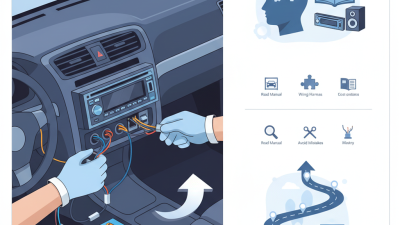
Installation is often underestimated. A professional installer should test speaker polarity, grounding, fuse protection, and microphone placement. Poor grounding may create a faint engine whine. Some vehicles also need interface modules to preserve parking sensors, climate controls, or factory displays. Measure dashboard depth carefully. A screen that looks suitable online may block air vents or sit awkwardly.

Regional connectivity deserves equal attention. Confirm support for local radio bands, navigation data, emergency calling rules, and mobile network frequencies. Wireless phone connections can vary by operating system and region. Offline maps are useful when rural coverage disappears. Privacy settings should be reviewed before pairing personal devices. Firmware updates may improve compatibility, but they can also introduce unexpected problems. I have found that simple systems are sometimes more reliable than feature-heavy models. That is not always convenient. Before installation, test every key function with the vehicle running, parked, and connected to local networks. Keep the original wiring untouched whenever possible, and document each adapter used.

10 Best Car Audio Systems for Global Buyers - Compatibility, Installation, and Regional Connectivity Considerations
Rank System Configuration Display and Control Typical Audio Output Vehicle Compatibility Installation Considerations Connectivity Features Regional Connectivity Considerations Best Use Case
1 Universal 2-DIN Wireless Multimedia System 6.8–7.0-inch capacitive touchscreen; physical volume control on some versions Approx. 4 × 45–50 W maximum; around 4 × 18–22 W RMS Most vehicles with a standard double-DIN dashboard opening; confirm depth and fascia dimensions before purchase Usually requires a vehicle-specific fascia, wiring adapter, antenna adapter, and steering-wheel-control interface Wireless smartphone projection Bluetooth USB Rear camera input Wireless projection availability can vary by phone operating system and market; radio tuner region must match local frequency spacing Balanced daily driving and broad vehicle compatibility
2 Compact Single-DIN Receiver with Fold-Out Screen 6.2–7.0-inch motorized or floating touchscreen; compact chassis Approx. 4 × 45–50 W maximum; external amplifier recommended for high-volume use Vehicles with a single-DIN slot and sufficient dashboard clearance for the extended screen Check screen travel, air-vent clearance, hazard-switch access, and dashboard overhang Bluetooth calling USB audio Wired projection Camera input Physical radio standards and camera wiring differ by region; a local installation adapter may be necessary Older vehicles with limited dashboard space
3 High-Resolution Digital Audio Receiver 6.8–7.0-inch touchscreen with adjustable equalizer and time alignment Approx. 4 × 50 W maximum; cleanest results with a separate amplifier Best suited to vehicles with standard wiring or an available line-output interface May require a digital signal interface to preserve factory vehicle settings and warning tones Lossless USB playback Bluetooth audio Multiple pre-outs Time alignment Streaming quality depends on local service availability, subscription level, data coverage, and smartphone support Listeners who prioritize sound tuning and upgrade flexibility
4 Factory-Integration Touchscreen Receiver 6.8–9.0-inch touchscreen; designed to retain selected original vehicle functions Approx. 4 × 45–50 W maximum; factory speakers can usually be retained Designed for selected vehicles with compatible data-bus communication and dashboard geometry Professional installation is advisable because steering controls, climate menus, parking sensors, or vehicle settings may need integration Wired projection Bluetooth USB Vehicle-data interface Compatibility is vehicle- and market-specific; left-hand-drive and right-hand-drive dashboards may require different fitting kits Replacing an outdated factory screen while retaining original controls
5 Navigation-Capable Multimedia Receiver 7.0–9.0-inch touchscreen; route guidance with offline map support on selected configurations Approx. 4 × 45–50 W maximum; external amplifier support through preamp outputs Suitable for double-DIN installations where dashboard depth and GPS antenna placement are available GPS antenna should have a clear view of the sky; map storage and update procedures should be checked before installation GPS navigation Bluetooth USB Rear camera input Map coverage, road databases, language options, and traffic services vary considerably between countries Drivers who travel across areas with unreliable mobile data coverage
6 Digital Signal Processor Upgrade System Original factory screen or a small dedicated controller; hidden installation is possible Typically 4–8 amplified channels; output depends on the selected amplifier module Works with many factory audio systems when the processor supports speaker-level inputs and factory signal correction Requires careful calibration, cable routing, grounding, and sometimes a vehicle-specific integration harness Factory-system integration Equalization Time alignment Subwoofer control Because the original radio can remain in place, regional radio and vehicle-menu compatibility are generally preserved Improving sound quality without replacing the factory display
7 Premium Multi-Zone Entertainment System 7.0–10.1-inch front display; optional rear-seat screens or headphone outputs Approx. 4 × 45–50 W maximum; additional amplifier channels may support rear speakers and subwoofers Requires adequate dashboard space and a vehicle electrical system capable of supporting multiple accessories More complex wiring; rear-seat screen placement, headrest compatibility, and cable protection require careful planning Bluetooth USB media HDMI input Multiple audio zones Video formats, content rights, language support, and wireless frequency regulations may differ by country Families and passengers needing independent front and rear entertainment
8 Rugged Off-Road Audio System 5.0–7.0-inch high-visibility display or sealed control panel Approx. 4 × 45–50 W maximum; weather-resistant external speakers may require a separate amplifier Suitable for recreational vehicles, utility vehicles, and cabins exposed to dust or moisture when components have appropriate protection ratings Use sealed connectors, protected cable routes, corrosion-resistant mounting hardware, and a properly fused power supply Bluetooth USB AM/FM or regional tuner Auxiliary input Broadcast frequency ranges vary internationally; cellular streaming may be unreliable in remote regions Outdoor driving, utility vehicles, and remote travel
9 Electric-Vehicle Efficient Audio System 6.8–10.0-inch touchscreen; low-power standby design preferred Approx. 4 × 40–50 W maximum; amplifier efficiency is more important than peak power Requires compatibility with the vehicle's low-voltage electrical architecture and any factory digital audio network Do not connect directly to high-voltage battery components; use approved low-voltage interfaces and qualified installation procedures Wireless projection Bluetooth USB-C Digital audio input Charging-location, traffic, and online-service features depend on local network coverage and regional service support Electric vehicles where energy efficiency and factory integration matter
10 Modular Audio System with External Amplifier and Subwoofer 7.0–9.0-inch touchscreen or original factory display with an external control interface Receiver: approx. 4 × 45–50 W maximum; system amplifier commonly adds 300–800 W RMS depending on configuration Works in compatible vehicles with enough space for amplifier, subwoofer enclosure, and upgraded speaker wiring Needs a correctly fused power cable, secure amplifier mounting, adequate ventilation, and load-matched speakers Multiple preamp outputs Bluetooth USB DSP tuning Regional radio standards are determined by the receiver; online audio services depend on local data access and account availability Enthusiasts seeking strong bass and a fully upgradeable system

Technical figures are typical configuration ranges rather than guaranteed specifications. Always verify dashboard dimensions, vehicle wiring, tuner frequency standards, steering-wheel-control support, smartphone compatibility, and local installation requirements before purchase.

How to Choose the Right Car Audio System for Your Vehicle

10 Best Car Audio Systems for Global Buyers

How to Choose the Right Car Audio System for Your Vehicle

Choosing a car audio system should begin with your vehicle, not a popularity list. Check the dashboard opening, speaker sizes, wiring, and available mounting depth. A powerful amplifier may sound impressive, but it can overload factory speakers or drain the battery. Match continuous power ratings carefully, and confirm speaker impedance before buying.

Your listening habits also matter. Commuters may prefer clear voices and balanced bass, while long-distance drivers might value stronger low frequencies and simple controls. Check phone compatibility, steering-wheel controls, microphone placement, and local radio frequencies. Climate is easy to forget. Heat, humidity, dust, and temperature changes can affect installation materials and electronic reliability. Ask a qualified installer to inspect the vehicle’s electrical system. Small wiring errors can create noise or safety problems.

Tips: Measure twice before ordering. Read the vehicle manual and installation guide together. Choose documented specifications over dramatic advertising. Test the system at moderate volume, with familiar music and spoken audio. A rear speaker may sound slightly weaker after installation; that does not always mean failure. Still, recheck polarity and wiring if the sound feels hollow. I once underestimated cabin acoustics in a compact vehicle, and the result needed more adjustment than expected. Allow room for that possibility.