What is Car Audio and How Does It Improve Your Driving Experience
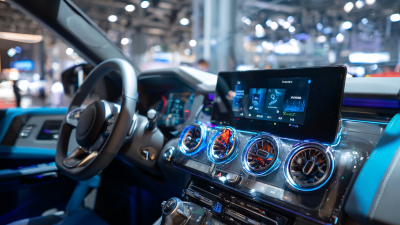
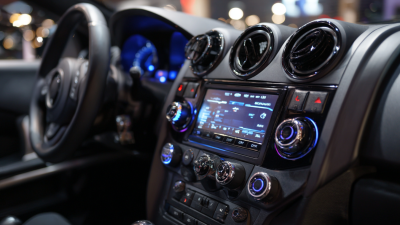
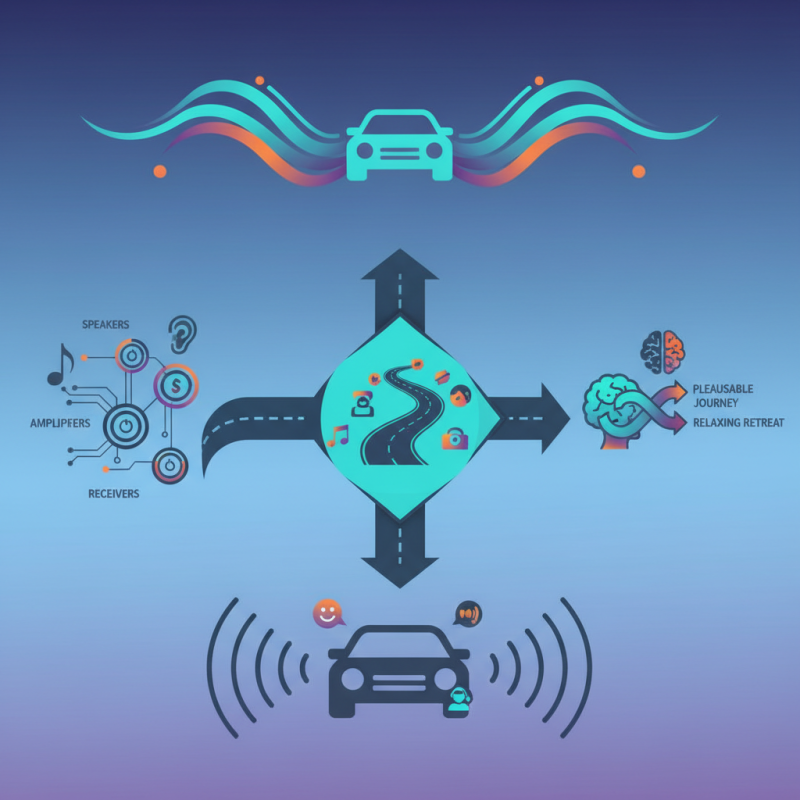
Car audio systems have become an integral part of the driving experience, transforming how we interact with our vehicles. These systems encompass a wide range of components, including speakers, amplifiers, and receivers, designed to enhance sound quality and deliver an immersive listening experience. As we spend more time on the road, the need for enjoyable entertainment has increased, making car audio a vital feature for many drivers.
The ability to listen to music, podcasts, or even engage in hands-free calls while driving significantly contributes to a more pleasurable journey. Good car audio not only enhances the sound but also helps in creating an atmosphere that can turn an ordinary commute into a relaxing retreat. Understanding how car audio works can open up new avenues for customizing the in-car experience, catering to individual preferences and elevating the overall enjoyment of driving.
In this exploration of car audio, we'll delve into its components and functionalities, illustrating how it benefits drivers and passengers alike. Whether it's the clarity of your favorite song or the convenience of hands-free communication, car audio plays a crucial role in enhancing your driving adventures.
What is Car Audio: An Overview of Automotive Sound Systems
Car audio systems have evolved significantly over the years, becoming an integral part of the driving experience for many people. Modern automotive sound systems typically include a combination of speakers, amplifiers, and source units that work in harmony to deliver high-quality sound. According to a recent report from Statista, the global car audio market is projected to reach approximately $10.55 billion by 2025, reflecting a growing consumer demand for enhanced audio experiences while driving. This surge in popularity can be attributed to advancements in technology, such as Bluetooth connectivity and smartphone integration, which enable drivers to enjoy their favorite music and podcasts seamlessly.
The design and functionality of car audio systems also play a crucial role in providing an immersive listening experience. High-fidelity audio systems equipped with advanced features like noise cancellation and equalization settings allow for a more personalized sound profile that can adapt to different environments. Research published by the Consumer Electronics Association indicates that 78% of car owners consider sound quality a significant factor when purchasing a vehicle, highlighting the importance of a well-designed audio system. By enhancing the auditory experience, car audio systems not only provide entertainment but also contribute to a more enjoyable and engaging driving environment.
Key Components of Car Audio Systems and Their Functions
Car audio systems are composed of several key components that work together to enhance your in-car experience. At the heart of the system is the head unit, which serves as the control center. It allows you to play music from various sources, including CDs, USB drives, and streaming services, while also managing settings for equalization and sound quality. The speakers, both in the front and rear, play a crucial role in delivering clear, high-quality sound. Different types of speakers, such as coaxial and component speakers, offer unique benefits that can significantly influence the overall audio experience.
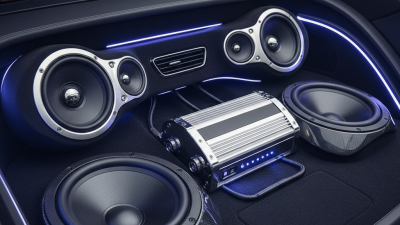
An equally important component is the amplifier, which boosts the power of the audio signal to drive the speakers effectively. By incorporating an amplifier, you can achieve a fuller, richer sound that makes every drive more enjoyable. For those seeking deeper bass, a subwoofer can be added to improve low-frequency response, adding depth to your music. Additionally, sound dampening materials can enhance sound quality by reducing road noise and vibrations, allowing for a more immersive listening experience.
Tip: When upgrading your car audio system, consider starting with the head unit and speakers, as they will often provide the most noticeable quality improvement. Always ensure that components are compatible to avoid potential issues during installation. Moreover, using good quality cables and connections can prevent sound degradation, ensuring that you get the best performance from your audio system.
What is Car Audio and How Does It Improve Your Driving Experience
| Key Component |
Function |
Impact on Driving Experience |
| Head Unit |
Controls audio source and settings |
Provides user interface for music, navigation, and hands-free calls |
| Speakers |
Convert electrical signals into sound |
Enhances music quality and clarity while driving |
| Amplifier |
Boosts signal strength for better sound |
Improves overall sound performance and volume |
| Subwoofer |
Handles low-frequency sounds |
Adds depth to music, enhancing the listening experience |
| Equalizer |
Adjusts frequency levels for tailored sound |
Allows customization for different audio preferences |
| Bluetooth Receiver |
Enables wireless audio streaming |
Provides convenience and reduces cable clutter |
| Installation Accessories |
Connects and secures car audio components |
Ensures proper system functionality and safety |
How Car Audio Enhances the Driving Experience and Mood
Car audio systems play a crucial role in enhancing the overall driving experience by creating a personalized sound environment that can significantly impact a driver’s mood and focus. Quality audio experiences can transform mundane commutes into enjoyable journeys, making even the longest drives feel shorter. The right audio setup allows drivers to immerse themselves in their favorite music, podcasts, or audiobooks, fostering a sense of connection and engagement that can relieve stress and enhance concentration on the road.
Moreover, the carefully curated audio settings can elevate the emotional atmosphere within the vehicle. Upbeat tracks can invigorate and energize, while soothing melodies can create a calming ambiance during heavy traffic or long flights. The incorporation of advanced technology in car audio systems, such as noise-canceling features and surround sound options, further enhances this experience, ensuring that drivers and passengers alike can enjoy crystal-clear sound quality regardless of their surroundings. This tailored auditory experience contributes to a more pleasant and enjoyable journey, allowing drivers to navigate their daily lives with a renewed sense of enjoyment and satisfaction.
Impact of Car Audio on Driving Experience
Popular Features and Technologies in Modern Car Audio Systems
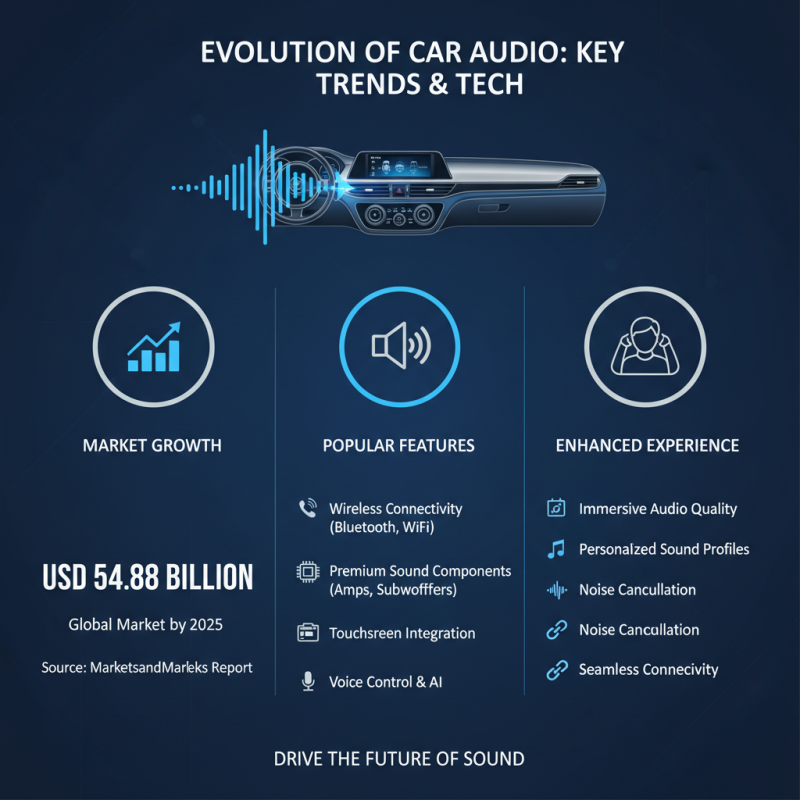
In the realm of modern driving, car audio systems have evolved significantly, enhancing the overall driving experience. Today's car audio setups incorporate a variety of popular features and technologies that cater to the needs of audiophiles and casual listeners alike. According to a recent industry report by MarketsandMarkets, the global car audio market is projected to reach USD 54.88 billion by 2025, underscoring the growing importance of audio quality in vehicles.
One notable feature is Bluetooth connectivity, allowing drivers to seamlessly connect their smartphones for hands-free calling and music streaming. A statistic from Statista reveals that over 60% of consumers prefer Bluetooth-enabled systems in their vehicles, highlighting the demand for wireless technology. Additionally, many modern systems are equipped with advanced sound processing technologies such as equalizers and surround sound capabilities, which create a more immersive listening environment. Furthermore, the integration of navigation systems and voice control functionalities enhances convenience and safety, enabling drivers to maintain focus on the road.
Another significant trend is the adoption of high-resolution audio formats, which provide a richer sound experience that appeals to discerning listeners. Research by the Consumer Technology Association indicates that nearly 40% of audio enthusiasts are willing to invest in high-quality sound systems. As manufacturers incorporate features such as digital signal processing (DSP) and noise cancellation, the future of car audio promises to elevate the auditory experience while ensuring that drivers and passengers enjoy a superior level of audio fidelity on every journey.
Tips for Choosing the Right Car Audio System for Your Vehicle
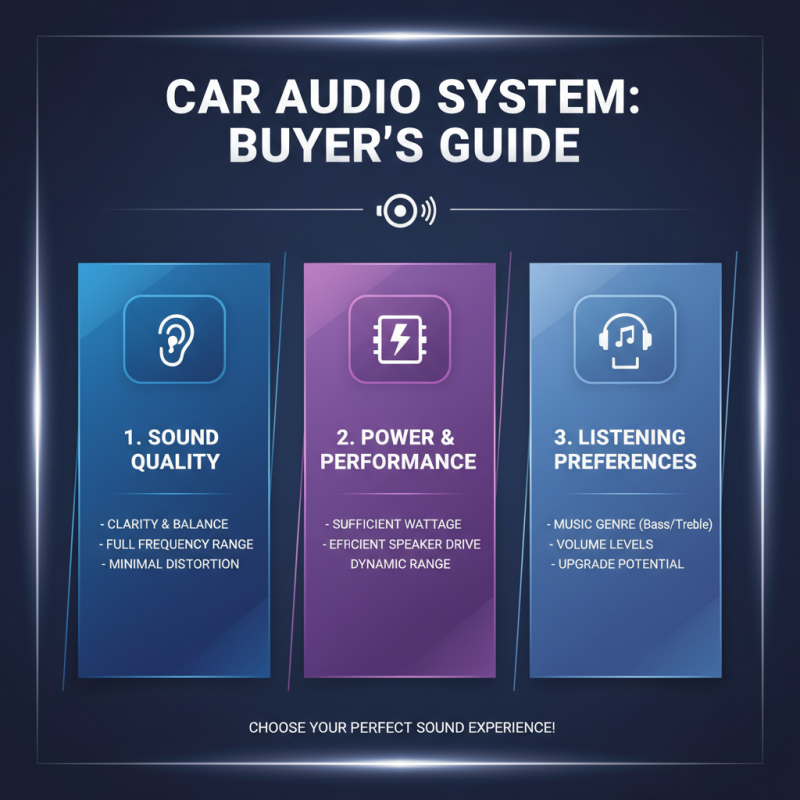
When selecting the right car audio system for your vehicle, it's essential to consider your listening preferences and the types of music you enjoy. Start by evaluating the sound quality offered by different systems, which can range from basic factory units to high-end aftermarket setups. Look for clarity, balance, and the ability to handle various frequencies. Additionally, ensure that the system provides sufficient power to drive your speakers effectively, as this will significantly impact the audio experience.
Another vital aspect is the compatibility of the audio system with your vehicle's layout and existing components. Check if the system can seamlessly integrate with your vehicle's wiring and if it offers features such as Bluetooth connectivity or smartphone compatibility. This can enhance your driving experience by allowing you to access your music library and streaming services easily. Moreover, consider the size and aesthetics of the unit, ensuring it fits well within your vehicle's dashboard while complementing its overall look.