How to Choose the Best Marine Stereo System for Your Boat?
Choosing the right marine stereo system can elevate your boating experience. Sound quality matters on the water. A good audio setup enhances relaxation and enjoyment during your trips.
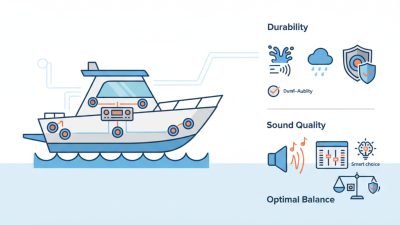
Consider the environment where you'll use the marine stereo system. Saltwater and humidity can affect electronics. Look for units designed to withstand these elements. Waterproof ratings are essential, as are durable materials.
Think about the features you need. Some systems offer Bluetooth connectivity for easy music streaming. Others may lack this. You could face challenges when connecting devices. Researching the best options can save frustrations later. Choose wisely for countless hours of enjoyment on your boat.
Understanding Marine Stereo System Basics
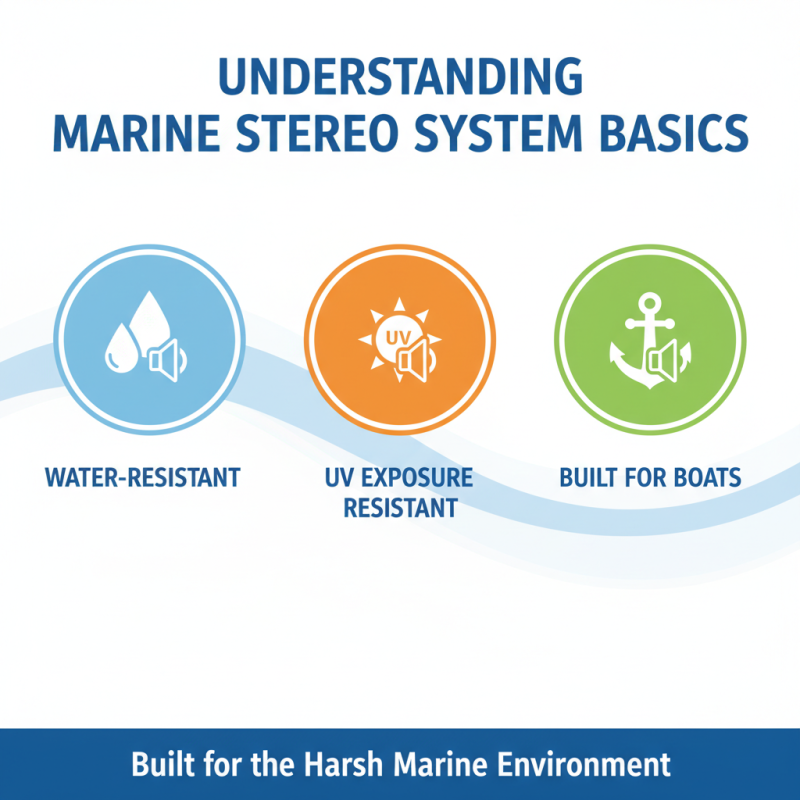
When selecting a marine stereo system, it’s crucial to understand some basics. Marine stereos are designed to withstand harsh environmental conditions. They are often water-resistant and can handle UV exposure. This makes them suitable for use on boats.
Consider the power output of the stereo. It’s measured in watts and affects sound quality. A minimum of 200 watts is often recommended for a decent experience. Also, look at features like Bluetooth connectivity. This allows easy streaming from devices. Some systems may even include multiple speaker connections.
Don’t forget about installation. It can be tricky on a boat. Ensure that the system fits in the designated space. Sometimes, gaps may need extra work. Budget for potential installation costs. Remember, a good marine stereo system enhances your time on the water. But it’s essential to invest wisely, keeping in mind both quality and your specific needs.
Key Features to Consider in Marine Stereo Systems
Selecting a marine stereo system for your boat involves understanding essential features. Sound quality is paramount. Look for systems with at least 20 watts per channel. This ensures clear audio, even in windy conditions. Waterproof ratings are crucial too. Aim for an IPX7 rating, which guarantees water resistance.
Power efficiency is another important factor. Systems should have low power consumption yet deliver robust sound. Average marine systems consume around 6 watts per channel. This balance is vital for longevity during long trips. Bluetooth connectivity is often preferred for its convenience. A survey indicated that over 70% of boaters value wireless streaming.
Tips: Always check for user reviews. Real-world experiences often highlight potential issues. Don't rush the decision; take the time to compare options. Often, deciding factors come down to personal preference. A well-informed choice can enhance your boating experience significantly. Aim for a system that matches your lifestyle, not just the latest trends.
Evaluating Sound Quality and Power Output
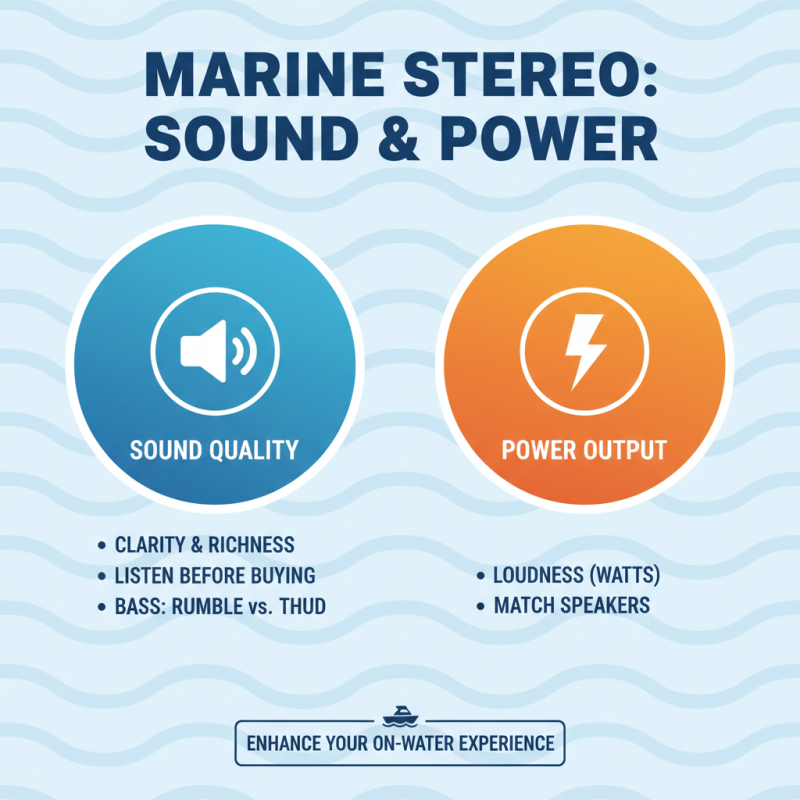
Choosing the right marine stereo system for your boat greatly depends on evaluating sound quality and power output. Sound quality can make or break your on-water experience. It's not just about loudness. Clarity and richness of sound matter a lot. Listen to systems before buying. Pay attention to bass response. Does it rumble, or does it just thud?
Power output is another crucial factor. Look at the wattage when selecting a system. More watts usually mean better sound in open spaces. Check if the system can handle the demands of your environment. Why does this matter? You want sound that travels, not just fills a small area. A system with low power might sound great in a showroom, but outside? It may struggle.
Don’t overlook the installation process either. Some systems require more space and effort. Measure your boat's audio space carefully. Poor installation can lead to mismatched sound. It might sound nice in theory, but in practice, it’s often a headache. Reflect on your own needs and the types of outings you'll have. You want a stereo system that enhances your experience, not complicates it.
Choosing the Right Types of Speakers for Your Boat
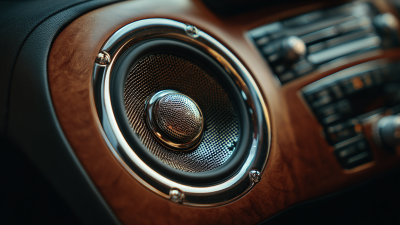
When selecting speakers for your boat, consider the environment. Marine speakers must withstand water, salt, and UV rays. Look for the right material. Speakers made with synthetic materials tend to fare better in harsh conditions. Waterproofing ratings matter. Aim for models that are fully waterproof or at least splash-proof.
Think about the size and placement of the speakers. Smaller boats may need compact designs, while larger vessels can accommodate bigger speakers for richer sound. Install speakers at ear level for optimal listening. Yet, be cautious with placement. Too close to the water can cause damage over time.
Don’t forget the sound quality. High wattage doesn’t always mean better sound. Listen to potential options before buying. Some models may look great but sound hollow. Reflect on your personal preferences too. Everyone has unique tastes. Ensure your choice enhances your boating experience. The right speakers can elevate those sunny days on the water.
How to Choose the Best Marine Stereo System for Your Boat? - Choosing the Right Types of Speakers for Your Boat
| Speaker Type |
Power Handling (Watts) |
Sensitivity (dB) |
Size (inches) |
Water Resistance |
| Coaxial Speakers |
50 - 150 |
89 - 93 |
6.5 |
IPX5 |
| Component Speakers |
75 - 200 |
90 - 94 |
6.5 |
IPX6 |
| Marine Subwoofers |
100 - 300 |
88 - 92 |
10 |
IPX7 |
| Overhead Speakers |
40 - 120 |
88 - 90 |
8 |
IPX5 |
| Portable Bluetooth Speakers |
20 - 100 |
85 - 88 |
5 |
IPX6 |
Installation and Maintenance Tips for Marine Stereo Systems
When installing a marine stereo system, attention to detail is essential.
Begin by choosing a location that is dry and easily accessible. Avoid places exposed to direct sunlight and moisture. A good spot is often under the dashboard or inside a console. Ensure the area is clear of hazards.
Consider the wiring and speaker placements carefully. Proper installation will enhance sound quality and longevity.
Maintenance of your marine stereo is also important. Regularly check connections to ensure they are tight and free of corrosion. Clean the speakers to remove salt, dirt, and grime. A simple wipe with a damp cloth can make a difference.
You might notice that sometimes, systems fail to deliver expected sound quality. This could stem from poor connection or speaker damage. Regularly assessing these areas helps catch issues early. Remember, your stereo may not thrive in harsh marine environments, so regular upkeep is key.