How to Choose the Best LED Street Light for Your Needs?
Choosing the right LED Street Light can be a complex task. Several factors influence the best choice for your needs. These factors include brightness, energy efficiency, and design aesthetics. LED street lights offer numerous advantages. They provide bright illumination while consuming less energy compared to traditional lights. However, not all LED street lights are created equal.
When selecting an LED street light, consider the specific requirements of your environment. Are you lighting a busy intersection or a quiet residential area? The answer will impact your decision. Quality plays a significant role in durability and performance. Look for reputable brands with positive reviews. Warranty options also reflect the reliability of the product.
In the evolving market, there are many options available. Prices vary widely, which can create confusion. Balance your budget with the need for high-quality lighting. Sometimes, opting for cheaper options may lead to dissatisfaction. Investing in well-reviewed LED street lights can save money in the long run through energy efficiency and reduced maintenance. Always conduct thorough research before making a decision.
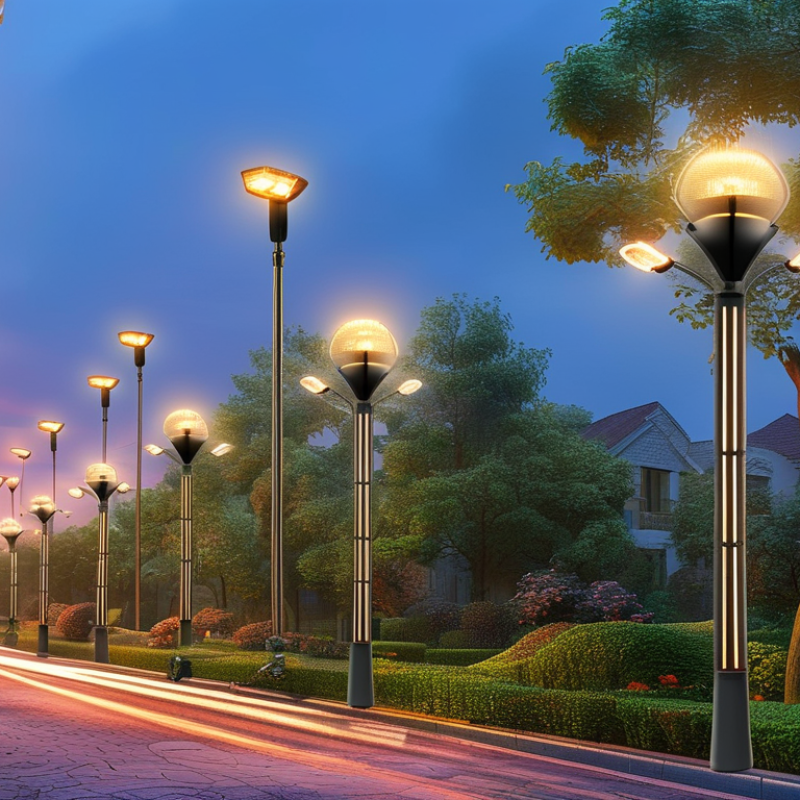
Understanding the Basics of LED Street Lights
LED street lights have transformed urban lighting with better efficiency and longevity. Understanding their basics is important. A key feature is luminosity, which is measured in lumens. High lumens mean brighter lights, while low lumens provide softer illumination.
Color temperature is another factor. LEDs come in a range from warm white to cool daylight. The right choice affects visibility and ambiance. Warmer lights (about 3000K) create a cozy feel, while cooler lights (over 5000K) enhance visibility. It's essential to consider the intended location. Areas requiring safety and clarity benefit from cooler lights.
Moreover, energy consumption plays a vital role. LEDs consume less power compared to traditional bulbs, leading to lower electricity bills. However, initial costs may be higher. Potential buyers should analyze long-term savings versus upfront payments. Balancing budget with efficiency is crucial in this decision-making process. Consideration of local weather conditions is also relevant. Moisture and temperature extremes can influence LED performance, affecting their lifespan and reliability.
Evaluating Your Lighting Needs and Requirements
When choosing LED street lights, assessing your specific lighting needs is crucial. Start by considering the area to be illuminated. Is it a busy intersection or a quiet residential street? Different zones have varying requirements. For instance, high-traffic areas need brighter lights for safety. In contrast, lower illumination might suffice for neighborhood streets.
Next, think about the height of your poles. Elevated fixtures cast light over a wider area. However, lower poles may create a cozy atmosphere in parks or residential areas. Also, evaluate the color temperature of the lights. Warmer tones can make spaces feel more inviting, while cooler tones often enhance visibility.
Reflect on your local climate too. If your area experiences heavy rain or snow, ensure your chosen lights are weatherproof. Some lights may not perform well in extreme conditions, leading to frequent replacements. Always contemplate your choices carefully and ensure the selected LED street lights align with the specific needs of your community and environment.
Key Features to Consider When Selecting LED Street Lights
Choosing the right LED street light involves several critical features. One key factor is lumens output. A standard street light typically ranges between 5,000 to 15,000 lumens. The ideal output depends on the road type and surrounding environment. Bright lights can deter crime and enhance safety. However, too much illumination may cause light pollution and discomfort.
Another important aspect is color temperature. Most street lights operate between 3000K and 6000K. Warmer lights (3000K) create a serene atmosphere but may compromise visibility. In contrast, cooler lights (5000K and above) enhance clarity, vital for dark urban areas. Balancing these temperatures and lumens output is critical for urban planning.
Energy efficiency is also vital. According to the U.S. Department of Energy, LED lights use up to 75% less energy than traditional bulbs. This can lead to significant cost savings over time. Consider the expected lifespan of LEDs, which can exceed 50,000 hours. While these options can be initially expensive, they deliver excellent value in the long run. It’s essential to weigh both initial costs and long-term savings when selecting street lighting.
Comparing Different Types of LED Street Lights Available
When selecting LED street lights, consider the various types available. Each type has unique features and benefits that cater to different requirements. For instance, cut-off fixtures provide reduced light pollution and better visibility. Reports indicate that up to 30% of urban lighting can create light trespass issues. Hence, cut-off fixtures can significantly alleviate this concern.
In addition to cut-off lights, solar-powered options are gaining popularity. These lights utilize renewable energy, reducing long-term operational costs. Research shows that solar street lights can cut energy costs by 60% over time. However, one must consider that geographic location affects their efficiency. Regions with less sunshine may face challenges in reliable performance.
Smart LED street lights also merit attention. They integrate technology for better energy management. Studies reveal that cities employing smart systems can achieve energy savings of 50% or more. Yet, the initial investment might be a barrier for some municipalities. Evaluating upfront costs against potential savings is essential for informed decisions. Each type of LED street light offers distinct advantages and drawbacks, so careful consideration is crucial for optimal performance.
How to Choose the Best LED Street Light for Your Needs? - Comparing Different Types of LED Street Lights Available
| Type of LED Street Light | Wattage | Lumen Output | Best for | Average Lifespan | Energy Efficiency |
| Standard LED | 50W | 5000 lm | Residential streets | 50,000 hours | 85% efficiency |
| Smart LED | 75W | 7500 lm | Urban areas | 100,000 hours | 90% efficiency |
| Solar LED | 60W | 6000 lm | Remote locations | 25,000 hours | 75% efficiency |
| High-Power LED | 100W | 10,000 lm | Highway lighting | 75,000 hours | 80% efficiency |
| Decorative LED | 40W | 4000 lm | Parks and walks | 50,000 hours | 85% efficiency |
Assessing Cost, Energy Efficiency, and Longevity of Options
When selecting LED street lights, evaluating cost and energy efficiency is vital. Many municipalities face budget constraints. A higher initial investment in quality lights can yield long-term savings. These lights often consume less power, reducing monthly energy bills significantly.
Longevity is another critical factor in your decision. Quality LED street lights have a lifespan that can exceed 50,000 hours. This means less frequent replacements and lower maintenance costs. However, not all options are equal. Some might promise longevity but underperform in real-world conditions. It’s essential to research and consult reputable sources when making your choice.
Balancing these elements can be challenging. Many buyers may prioritize price over efficiency. This could lead to higher operational costs later. It’s also tempting to opt for cheaper lights, but they often compromise on performance. In the end, understanding your specific needs helps in making an informed choice.
LED Street Light Comparison: Cost, Energy Efficiency, and Longevity