How to Choose Best Car Electronics Installation in China?

Choosing the best car electronics installation in China requires more than comparing prices or counting installed features. A dashboard screen may look impressive, yet poor wiring can create noise, loose connections, battery drain, or difficult repairs later. The right installer combines technical training, practical experience, transparent communication, and careful after-sales support. These qualities matter whether you need a dash camera, parking sensors, an audio upgrade, or an integrated navigation system.

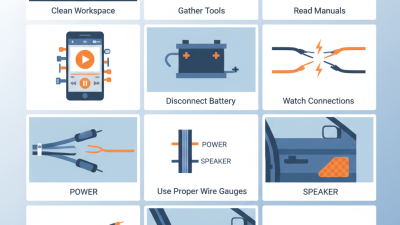
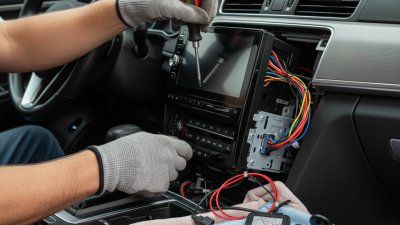
Richard Clark, a respected car-audio educator, once expressed a useful principle: “The best system is the one that sounds natural, not merely loud.” His point applies to every car electronics installation. A professional technician should study your vehicle’s factory wiring, measure available space, protect cable routes, and test each function before returning the car. Look for heat-shrink connections, secured harnesses, clean panel alignment, and settings explained in plain English. Ask to see previous work. Small details reveal habits.

China offers many capable installation shops, but quality can vary between cities and technicians. A low quotation may exclude calibration, replacement clips, warranty coverage, or future troubleshooting. That is where buyers sometimes misjudge value. I would also avoid assuming a premium brand guarantees a premium result. It does not.

Request a written product list, installation process, warranty terms, and delivery timeline. Confirm that the equipment is compatible with your specific vehicle model. Listen for road noise after testing. Check the steering-wheel controls. Inspect the trunk and dashboard edges. Good work feels quiet, secure, and almost invisible. Sometimes, less is better. The final choice should protect safety, usability, and long-term vehicle integrity—not simply create the most dramatic showroom impression.
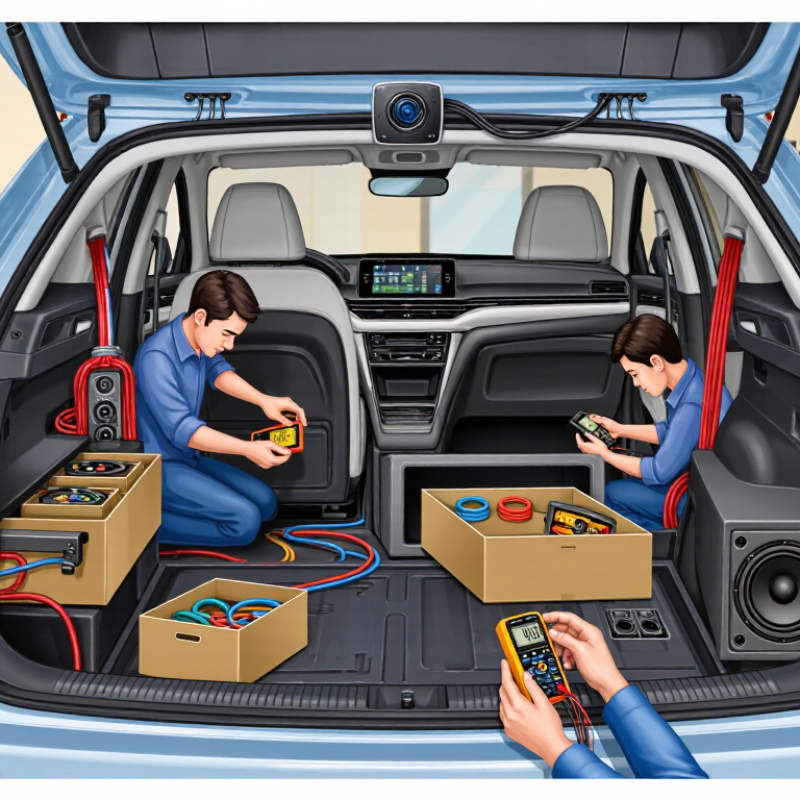
How to Choose Best Car Electronics Installation in China?

Define Your Vehicle’s Car Electronics Installation Needs

How to Choose Best Car Electronics Installation in China?

Define Your Vehicle’s Car Electronics Installation Needs

Start with your daily driving problems. Do you need clearer navigation, safer parking, better audio, or stronger phone connectivity? Write these needs down before contacting an installer. Check your vehicle’s existing wiring, battery condition, dashboard space, and factory controls. A professional installer should inspect these details instead of selling a standard package. Ask how each device will communicate with the vehicle’s original systems. Poor integration may cause warning lights, battery drain, or unreliable controls.

Tips: List must-have features. Separate wants from needs. Measure dashboard space. Ask for a wiring plan. Confirm testing procedures. Leave room for future upgrades.

Compare installers through their technical process, not only their price. Request photos of similar installations, clear specifications, written warranty terms, and after-sales support details. In China, a capable team should explain component compatibility, cable protection, heat management, and installation time in plain language. Neat wiring matters. Loose cables can rattle behind panels and become difficult to repair. It is easy to overbuy advanced functions that you rarely use. Reconsider that choice. A practical installation should match your driving habits, vehicle structure, budget, and maintenance expectations. Before accepting delivery, test every function, including steering controls, parking sensors, audio balance, charging, and standby power consumption.

How to Choose Best Car Electronics Installation in China? - Define Your Vehicle’s Car Electronics Installation Needs

Vehicle Profile Primary Installation Need Recommended Electronics Key Compatibility Checks Typical Installation Complexity Indicative Budget in China (RMB) Estimated Work Time
Compact passenger car Basic safety and daily convenience Dash camera, parking sensors, reverse camera, USB charging module Available dashboard space, 12 V power supply, reverse-light signal, camera viewing angle Low 800–3,000 2–5 hours
Family SUV or MPV Parking visibility and passenger comfort 360-degree camera, blind-spot monitoring, rear entertainment screen, tire-pressure monitoring Vehicle camera calibration, screen mounting position, sensor location, CAN-bus communication Medium 3,000–10,000 1–2 days
Electric vehicle Charging convenience and low-voltage accessory integration Dash camera, parking camera, cabin air-quality monitor, additional USB-C charging ports High-voltage system separation, 12 V accessory circuit, standby power consumption, software compatibility Medium to high 1,500–8,000 4 hours–2 days
Commercial van or light truck Fleet visibility, route monitoring, and cargo protection Vehicle GPS tracker, dual-channel camera, reversing monitor, electronic door or cargo alarm Vehicle operating voltage, fleet platform interface, antenna position, data and privacy requirements Medium 2,000–8,000 per vehicle 4–10 hours
Heavy-duty truck or bus Driver safety, fleet management, and multi-camera coverage Multi-channel video recorder, driver-monitoring camera, GPS terminal, reverse or side-view cameras 24 V power system, vibration resistance, storage capacity, camera coverage, remote data transmission High 5,000–20,000 per vehicle 1–3 days
Luxury or highly integrated vehicle Feature enhancement without affecting original functions Integrated interface module, premium audio upgrade, parking camera, wireless connectivity module Factory infotainment protocol, steering-wheel controls, airbag wiring, warranty and diagnostic requirements High 5,000–25,000 1–3 days
Installation Selection Checklist: Confirm the vehicle model and production year, define the required functions, verify the vehicle voltage and communication interfaces, request a wiring and fuse-protection plan, check camera calibration procedures, confirm data-storage and privacy practices, and require functional testing before delivery.

Verify Installer Qualifications, Experience, and Service Capabilities

How to Choose the Best Car Electronics Installation in China?

China’s vehicle market is expanding quickly. The China Association of Automobile Manufacturers reported 31.28 million vehicle sales in 2024, including 12.87 million new-energy vehicles. This growth brings more complex wiring, sensors, displays, and driver-assistance systems. Choose an installer who can show valid business registration, relevant technical certificates, and documented training. Ask how technicians handle CAN bus systems, high-voltage components, and software calibration. A clean workshop matters too. Look for labeled wiring, anti-static tools, torque-controlled fasteners, and written testing records. A polished showroom is not proof of competence.

Deloitte’s 2024 Global Automotive Consumer Study shows that consumers increasingly value connected functions and advanced safety technology. However, installation quality can affect reliability and warranty support. Request photos of similar completed projects, customer references, and a clear service agreement. The quotation should identify every component, labor step, testing method, and after-sales response time. Ask whether the installer uses diagnostic scans before and after work. This small step can reveal hidden faults. I would not choose the cheapest quotation automatically. Low prices sometimes hide rushed labor, although expensive work can also disappoint.

Tips: Visit the workshop before payment. Check certificates and technician experience. Ask for a wiring diagram and test report. Confirm data privacy procedures for connected devices. If the installer avoids simple questions, pause the project. One detail is easy to miss: request written confirmation that factory safety functions remain operational after installation.

Compare Equipment Quality, Compatibility, and Safety Standards

How to Choose Best Car Electronics Installation in China?

Equipment quality should be judged by evidence, not packaging. The China Association of Automobile Manufacturers reported 31.28 million vehicles produced in 2024. This scale makes consistent installation practices essential. Ask for the equipment’s operating temperature, voltage range, EMC test results, and warranty terms. Reliable installers can show wiring photos and post-installation test records.

Compatibility is more than fitting a screen into a dashboard. Confirm CAN or LIN communication, steering-wheel controls, sleep-current limits, and airbag clearance. A wrong connection may drain the battery overnight or create warning lights. For safety-sensitive systems, check whether the equipment and process consider ISO 26262, ISO/SAE 21434, and UNECE R10 requirements. These standards address functional safety, cybersecurity, and electromagnetic compatibility. Certification does not guarantee perfect installation. Human error remains possible.

Tips: Bring the vehicle’s exact year, engine, and trim information. Request a written compatibility check before payment. After installation, test braking alerts, cameras, microphones, lights, and remote controls. Measure standby current after the vehicle sleeps. Keep the original connectors. That small detail matters. An honest installer should explain limitations, not promise that every feature will work. My own review habit is simple: inspect the cable routing twice, because neat-looking work can still hide poor grounding or excessive pressure near moving panels.

Evaluate Pricing, Warranty Coverage, and After-Sales Support

How to Choose the Best Car Electronics Installation in China?

China’s automotive market is enormous. The China Association of Automobile Manufacturers recorded 31.44 million vehicle sales in 2024, including 12.87 million new-energy vehicles. This scale creates wide price differences for dash cameras, parking sensors, screens, and smart audio systems.

A low quote is not always a bargain. Compare labor hours, wiring harness quality, diagnostic testing, and whether calibration is included. Get an itemized invoice. That matters.

Warranty terms deserve closer attention. Ask whether coverage includes parts, labor, software faults, and damage caused by installation. Some installers offer twelve months, but exclude loose connections or battery drain without clear definitions.

Request written exclusions and a repair response time. J.D. Power’s 2024 China Customer Service Index Study highlights service communication, repair quality, and problem resolution as key satisfaction factors. These areas reveal more than a warranty length. Ask how failures are logged and whether replacement parts are tested before delivery.

After-sales support should be practical. Can the installer provide remote guidance, inspection records, and a local service appointment? Check whether technicians use vehicle-specific wiring diagrams and protective trim tools.

During a workshop visit, look for labeled cables and clean fuse connections. I would not trust polished waiting rooms alone. A rushed installation may still look perfect on day one. Ask again. Keep every receipt, photo, and diagnostic report.

Confirm Installation Procedures, Testing, and Legal Compliance

How to Choose Best Car Electronics Installation in China?

A reliable installation begins with a clear, written procedure. Ask the workshop to inspect your vehicle before removing any panels. The technician should explain wiring routes, power sources, mounting points, and possible risks. Experienced installers protect airbags, sensors, trim panels, and original wiring. They should also record the vehicle’s condition with photographs. Small details matter.

Testing must happen in stages. The installer should check power stability, fuse protection, grounding, screen response, sound output, camera visibility, and steering controls. Test every function twice. A short road test can reveal vibration, signal loss, glare, or delayed controls. Ask for the test record, not only verbal reassurance. I have seen installations pass a bench test but fail after the vehicle warmed up. That is why repeated testing is necessary.

Legal compliance requires careful verification. The workshop should follow applicable Chinese vehicle, road safety, electrical, and data protection requirements. Confirm that the equipment does not obstruct the driver’s view or interfere with safety systems. Ask whether local inspection rules affect the installation. Keep the invoice, product specifications, wiring diagram, test results, and warranty terms. Do not accept vague promises. A careful installer will explain limitations honestly, including functions that cannot be guaranteed. Before collecting the vehicle, inspect the dashboard, trim gaps, cable protection, and warning lights. One overlooked warning light can become an expensive problem.

How to Choose the Best Car Electronics Installation in China

Recommended verification checkpoints for installation procedures, testing, and legal compliance

A reliable installation should cover planning, wiring quality, functional testing, electrical safety, electromagnetic compatibility, and documentation. Before approval, confirm vehicle-specific requirements and applicable Chinese standards, including road-vehicle safety, environmental performance, and radio-interference requirements.