How to Choose the Right Filter Cartridge for Your Needs?
When selecting the right filter cartridge, several factors come into play. Understanding your specific needs is crucial for effective filtration. The market offers a wide range of options, and not every cartridge suits every application.
Consider the type of contaminants you want to remove. Different filter cartridges target different substances. Some may focus on sediment, while others address chemical impurities. Knowing what you need helps narrow your choices. Always remember that a suitable filter cartridge enhances both the quality and safety of your water.
Quality matters when choosing a filter cartridge. Not all products are made equal. Look for reputable brands with verified certifications. Reviews and expert opinions can guide you in making informed decisions. While it is tempting to opt for the cheapest option, consider long-term value and performance. Sometimes, investing a bit more yields better results. Keep refining your understanding of filtration to ensure you make the best choice.
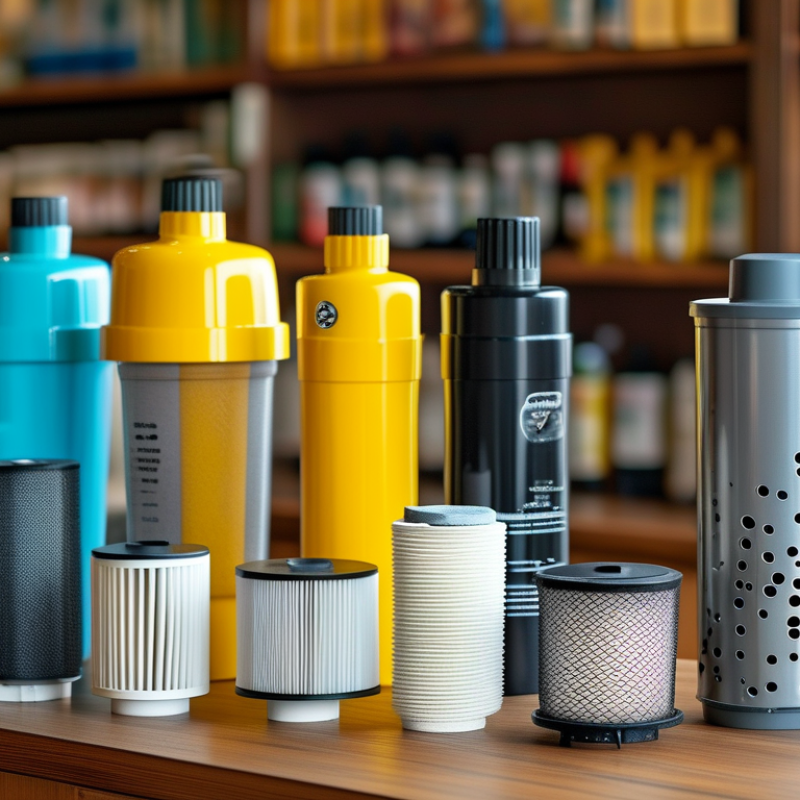
Understanding the Different Types of Filter Cartridges Available
When selecting a filter cartridge, understanding the types available is vital. Filter cartridges come in various designs to serve different purposes. For example, sediment filters work to remove large particles like sand and dirt. They are often the first line of defense in water filtration systems.
Another type is activated carbon filters. These are effective in removing chlorine and volatile organic compounds. They improve water taste and odor, making them popular for home use. It’s important to identify your specific needs before choosing.
Tips: Always check the micron rating. A lower number means finer filtration. Additionally, consider the lifespan of the cartridge. Some may require frequent changes, while others last longer.
Ultrafiltration membranes are also noteworthy. These can remove smaller contaminants, including bacteria. However, they may be more complex and expensive. It’s essential to weigh the benefits against your budget and maintenance capabilities.
Tips: Think about space requirements as well. Some systems require more room than others. Evaluate if your setup accommodates this. Be mindful that quality often varies significantly between products, so research thoroughly.
Assessing Your Water Quality and Filtration Needs
When selecting a filter cartridge, understanding your water quality is crucial. Start by testing your water to identify contaminants. Common issues may include sediment, chlorine, or heavy metals. Knowing what you're dealing with helps narrow down your filtration options. Select a cartridge that targets specific impurities in your water supply.
Tips: Use a simple water testing kit. These kits can reveal important data about your water. Understanding your local water supply source is also helpful. Research if your area has hard water or known pollutants.
Consider your specific needs too. Do you have allergies? Frequent illnesses? These factors can influence what cartridge you select. Collaborate with a local expert if you're unsure. They can provide guidance tailored to your situation, ensuring you choose wisely.
Tips: Consult a water quality specialist. Their insights can enhance your decision-making process. Keep in mind that not all cartridges last the same time. Monitor their effectiveness regularly to prevent unexpected changes in water quality.
Key Factors to Consider When Choosing a Filter Cartridge
Choosing the right filter cartridge requires careful consideration of several factors. One key aspect is the type of contaminants present in your water. For instance, if you are dealing with sediment, a cartridge with a high micron rating is essential. Reports indicate that a 5-micron cartridge can effectively remove most sediment particles, improving clarity and taste.
Another significant factor is the flow rate. A cartridge that cannot accommodate your water demand may lead to inadequate filtration. Experts recommend selecting a cartridge with a flow rate that matches or exceeds your household needs. According to the Water Quality Association, the average household requires a flow rate between 1-10 GPM, depending on usage patterns.
Tip: Always check the cartridge lifespan. Many filters need replacement every 6 months to a year. Regularly changing your filter ensures optimal performance and protects your health.
Consider the material of the filter as well. Different media can target specific impurities. For standard use, activated carbon is effective for chlorine and odor removal. However, for heavy metal filtration, options like KDF are more suitable. Understanding these basics will help guide your choices.
Tip: Document your water quality periodically. Small changes in taste or appearance may signal the need for filter replacement or selection adjustments.
Comparing Cost vs. Performance of Various Filter Cartridges
When choosing a filter cartridge, cost and performance are often at odds. According to industry reports, low-cost cartridges can average 30% less effective than higher-priced options. A study from the Water Quality Association indicates that improperly chosen filters can lead to increased contaminants in drinking water, impacting health and safety.
Performance varies significantly between filter types. For instance, activated carbon filters excel at removing chlorine and volatile organic compounds, yet they may struggle with heavy metals. This means a budget filter might save money upfront but could lead to higher costs in health risks later.
Tips: Prioritize your needs. Test your water quality to identify specific contaminants. Calculate the long-term costs versus purchasing cheaper cartridges. Investing in a higher-performing cartridge often results in better health outcomes and reduced maintenance. Always keep in mind that buying a filter without considering its performance rating might lead to disappointment and increased expenses.
How to Choose the Right Filter Cartridge for Your Needs? - Comparing Cost vs. Performance of Various Filter Cartridges
| Filter Type | Cost per Cartridge ($) | Lifespan (Months) | Flow Rate (GPM) | Particle Removal Efficiency (%) |
| Sediment Filter | 15 | 6 | 5 | 95 |
| Carbon Block Filter | 20 | 12 | 3 | 99 |
| Reverse Osmosis Membrane | 50 | 24 | 50 | 99.7 |
| Ultrafilter | 30 | 18 | 4 | 98 |
| Activated Carbon Filter | 18 | 12 | 3 | 98 |
Installation and Maintenance Tips for Filter Cartridges
When it comes to installation, ensuring a proper fit is crucial. Major leaks often occur due to improper sealing. Check the manufacturer’s instructions carefully. Make sure you have the right tools handy—wrenches, pliers, and seals can make a big difference. Having a helper can also ensure that the cartridge is aligned correctly during placement.
Regular maintenance is essential for filter cartridges. Over time, they can become clogged with impurities. This leads to reduced efficiency. It’s vital to create a maintenance schedule. This might include replacing the cartridge every few months or as needed based on usage. Don’t overlook cleaning the housing as well. A dirty housing can negate the benefits of a new cartridge.
Many people underestimate the importance of regular checks. A simple visual inspection can identify wear or leaks early. Be attentive to strange tastes or odors in your water; these are red flags. Keeping a log of replacement dates can also improve reliability. It helps you remember when the last change occurred. Making small adjustments can prevent larger issues later.