
How to Choose a Scuter Electric Scooter in 2026?

Choosing a Scuter Electric Scooter in 2026 requires more than comparing speed and price. Daily comfort matters.

A reliable choice begins with your real routine. Will you ride through crowded streets, uneven sidewalks, or gentle hills? Measure the route, not just the advertised range. Manufacturers often test range under ideal conditions, with light riders, smooth roads, and moderate temperatures. Cold weather, heavy loads, and frequent braking can reduce it noticeably. That detail is easy to miss.

Battery capacity, motor performance, and charging time deserve careful attention. However, larger numbers do not always create a better ride. A powerful motor may feel unnecessary on flat roads but useful on steep slopes. Look for dependable brakes, bright lights, stable tires, a clear display, and a sturdy folding mechanism. Check the manufacturer’s warranty, service network, replacement parts, and safety documentation. These practical details reveal more than glossy specifications.

Try before buying, if possible. Ten minutes can expose a narrow deck, harsh suspension, or awkward handlebar height. I once underestimated grip comfort because the specification sheet looked excellent. That mistake changed my evaluation method. Now, I consider posture, vibration, turning control, and carrying weight together. Still, every recommendation has limits because rider height, climate, road quality, and maintenance habits differ. A trustworthy 2026 guide should explain those limits clearly, compare verified evidence, and avoid promising a perfect scooter. The best Scuter Electric Scooter is not necessarily the fastest model. It is the one that fits your route, body, budget, and everyday expectations.
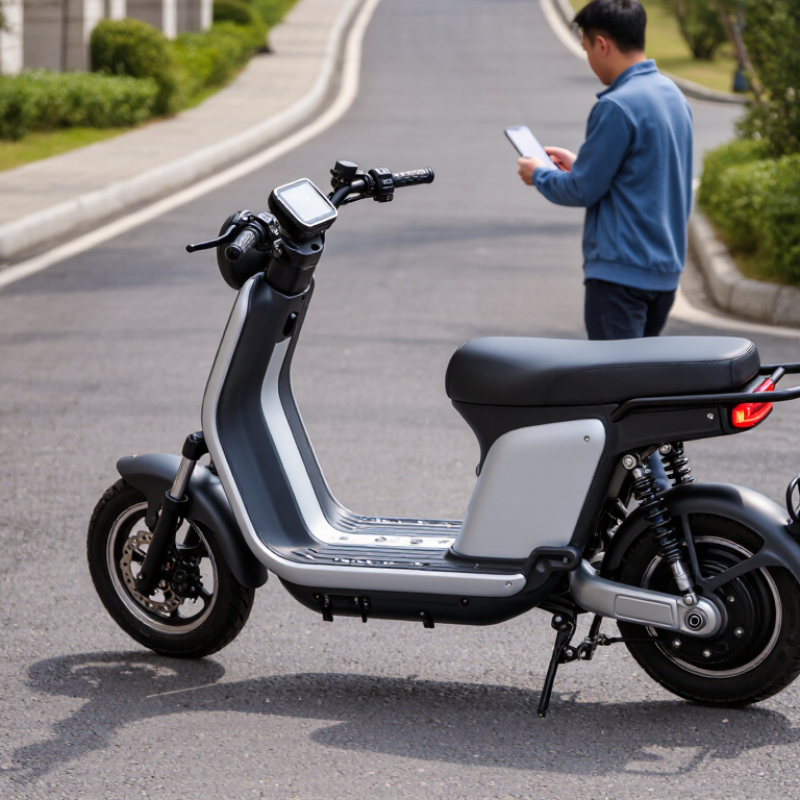
How to Choose a Scuter Electric Scooter in 2026?

Define Daily Range: Compare Battery Wh and Keep a 20–30% Reserve

How to Choose a Scuter Electric Scooter in 2026?

Define your daily range before comparing motors, displays, or suspension. Measure the full trip, including detours, hills, and the return journey. Then keep a 20–30% battery reserve. A 500 Wh battery does not provide 500 Wh for riding. Charging losses, cold weather, rider weight, tire pressure, and hills reduce usable energy. The International Energy Agency’s Global EV Outlook 2024 reports an average lithium-ion battery pack price of $139 per kWh in 2023. Bigger batteries add meaningful cost and weight, so extra capacity should match your routine.

Use this simple calculation: usable Wh ÷ average Wh per kilometre equals practical range. If a 500 Wh battery offers 400 Wh after a 20% reserve, and your route consumes 18 Wh per kilometre, expect about 22 kilometres. Flat, smooth paths may use less. Windy roads may use much more. Manufacturer range figures usually come from controlled tests, not crowded streets. That difference matters.

Tips: Check battery voltage and amp-hours; voltage multiplied by amp-hours equals Wh. Ride your planned route once with a phone-based distance tracker. Record the battery percentage before and after. My first estimate would be optimistic if I ignored traffic stops and winter temperatures. Leave room for mistakes. A quiet reserve is better than pushing a scooter home.


Check Safety Certification: UL 2272, UL 2271, and IEC 62133-2

Choosing an electric scooter in 2026 should begin with the battery, not the display. During a practical inspection, check certification marks on the scooter, battery, and charger. UL 2272 evaluates the complete electrical system of personal e-mobility devices. It covers wiring, charging, and abnormal operating conditions. UL 2271 focuses on batteries used in light electric vehicles. It does not automatically certify the entire scooter. That difference matters.

IEC 62133-2 covers safety testing for rechargeable lithium cells and batteries. Its tests include electrical, mechanical, and abuse conditions. However, compliance does not always mean the complete scooter was independently assessed. A CPSC staff report recorded 19 deaths linked to micromobility-product fires from 2017 through 2021. The figure is unsettling, even though certification cannot prevent every crash or misuse. I would not treat a printed logo as proof. Ask for the certificate number, testing laboratory, model reference, and battery configuration. Verify those details in the laboratory’s public database. Also inspect the charging port for heat marks, loose contacts, or melted plastic. Small clues can reveal larger problems. I still leave room for doubt. Certification reduces risk; it does not replace careful charging and storage habits.

How to Choose a Scooter Electric Scooter in 2026?

Safety Certification Scope: UL 2272, UL 2271, and IEC 62133-2

This chart shows the primary safety scope of each standard. UL 2272 addresses the electrical system of personal e-mobility devices, UL 2271 addresses batteries used in light electric vehicles, and IEC 62133-2 addresses the safety of portable sealed secondary lithium cells and batteries. These standards cover different parts of a scooter and should not be treated as interchangeable certifications. Always verify the certificate scope, test edition, and local regulatory requirements before purchasing.

Match Motor Power and Payload to Hills, Speed, and Rider Weight

How to Choose a Scuter Electric Scooter in 2026?

Match Motor Power and Payload to Hills, Speed, and Rider Weight

Motor power should match your route, not only the advertised top speed. A flat, smooth commute may need 350–500 watts of nominal power. Steep streets, loose surfaces, or heavier riders demand more reserve. A 10% gradient rises one metre every ten metres. That small-looking slope can quickly drain battery power.

Check the total payload, including the rider, backpack, and accessories. Never treat the maximum payload as a comfortable target. Leave at least 10–15% headroom for braking, acceleration, and uneven pavement. A 90-kilogram rider carrying 8 kilograms needs more than a 100-kilogram rating suggests. The U.S. Department of Energy notes that vehicle weight, speed, and rolling resistance strongly affect energy use. Scooter performance follows the same basic physics. A neat calculation can still mislead.

Tips: Test the scooter on your actual hill, if possible. Watch its speed after thirty seconds of climbing. If it slows sharply, the motor may lack thermal reserve. NACTO’s 2023 Shared Micromobility Report recorded 157 million shared trips in the United States, showing how varied urban riding conditions can be. Do not copy shared-fleet specifications blindly. Those vehicles often serve shorter trips and controlled operating environments. Compare continuous power, peak power, payload, braking performance, and battery capacity. Then question the result. Your route may be harder tomorrow.

Choose Braking and Tires: Dual Brakes and 10-Inch Pneumatic Wheels

How to Choose a Scuter Electric Scooter in 2026?

Choose Braking and Tires: Dual Brakes and 10-Inch Pneumatic Wheels

Braking should be your first serious check when choosing an electric scooter. Dual brakes provide more control during sudden stops, especially on slopes or busy paths. A front electronic brake can slow the motor smoothly. A rear disc brake adds firm mechanical stopping power. This combination feels more predictable than relying on one system. Test both brakes separately before buying. The levers should feel even, not loose or spongy.

Ten-inch pneumatic wheels improve comfort on cracked pavement and uneven sidewalks. Their larger diameter rolls over small stones more easily. Air-filled tires also absorb vibration better than solid tires. The trade-off is maintenance. Check tire pressure regularly, because underinflation can make steering heavy and increase puncture risk. Overinflation may reduce grip on rough surfaces. Follow the pressure range printed on the tire or in the manual.

Wet roads need extra caution. Pneumatic tires are not automatically safe in rain. Tread depth, rubber quality, and riding speed still matter. Inspect the tire surface for cuts before every longer trip. I would also carry a compact pump, although I sometimes forget it. That mistake is avoidable. Consider your body weight, daily route, and stopping habits before choosing. A powerful brake setup cannot replace careful riding or sensible speed.

How to Choose a Scuter Electric Scooter in 2026? - Choose Braking and Tires: Dual Brakes and 10-Inch Pneumatic Wheels

Decision Dimension Recommended Specification Why It Matters What to Check Before Buying
Primary braking system Dual independent brakes, preferably a mechanical or hydraulic disc brake combined with electronic braking Separate braking systems provide redundancy and allow braking force to be distributed between the front and rear wheels. Confirm that both brakes operate independently, the levers are easy to reach, and replacement pads or cables are available.
Electronic braking Adjustable regenerative or electronic braking used together with a physical brake Electronic braking can provide smooth speed control, but it depends on the scooter's electrical system and should not be the only stopping method. Look for adjustable strength, predictable engagement, and a physical brake that still works if the battery or display is unavailable.
Brake control layout Clearly marked left and right brake levers with progressive lever action Progressive control helps the rider apply light braking for normal riding and stronger braking when necessary. Test the lever reach, cable routing, lever stiffness, and whether the brake light activates consistently.
Tire size 10-inch pneumatic tires for general urban commuting The larger diameter rolls over small cracks and uneven surfaces more smoothly than many smaller scooter tires. Check the actual tire diameter, available inner tubes or tubeless parts, and the maximum permitted load.
Pneumatic tire construction Tubed or tubeless pneumatic tires with a serviceable valve and replaceable components Air-filled tires add cushioning and generally improve comfort and grip on ordinary pavement. Determine whether punctures can be repaired, whether a spare tube is available, and whether tire removal requires special tools.
Tire pressure Maintain pressure within the range specified on the tire or in the owner's manual Correct pressure supports handling, rolling efficiency, braking stability, and puncture resistance. Use a pressure gauge and inspect pressure regularly; do not rely only on visual appearance.
Wet-weather performance Treaded tires, controlled speed, and brakes rated for normal damp conditions Wet surfaces reduce available traction and can increase stopping distance, even with good brakes. Check water-resistance guidance, fenders, tire tread, and whether the manufacturer prohibits heavy rain or standing water.
Road-surface suitability 10-inch pneumatic wheels for paved streets, bike lanes, and moderate surface imperfections They improve comfort on typical urban pavement but do not turn a commuter scooter into an off-road vehicle. Avoid deep potholes, loose gravel, curbs taken at speed, and surfaces beyond the scooter's intended use.
Routine maintenance Regular brake inspection, tire-pressure checks, tread inspection, and fastener checks Brake and tire condition directly affect control and stopping performance. Choose a model with accessible adjustment points, clear service instructions, and readily available wear parts.
Best overall configuration Dual independent brakes plus 10-inch pneumatic tires with a suitable tread pattern This combination balances stopping redundancy, ride comfort, handling, and everyday urban practicality. Confirm the complete braking design, tire serviceability, load rating, local legal requirements, and availability of replacement parts.

Safety note: Actual stopping distance depends on speed, rider weight, road condition, tire pressure, brake adjustment, and reaction time. Always follow the owner's manual and local regulations.

Verify Weather Rating and Rules: IP54 Protection and 25 km/h Limits

How to Choose a Scuter Electric Scooter in 2026?

Weather protection should be checked before motor power or screen design. An IP54 rating means limited dust entry and protection from water splashes. It does not mean waterproof riding. IEC 60529 defines these protection levels, but real-world sealing can weaken after impacts, repairs, or aging. Water finds gaps. Inspect the charging port, deck seams, and rubber covers after every wet trip.

Rain also changes braking distance and tire grip. The European Commission’s 2023 study on personal mobility devices identifies road conditions, visibility, and user behavior as major safety factors. Choose wide tires, dependable lights, and brakes that remain predictable on damp pavement. Dry the scooter before charging. Never assume a short shower is harmless. That assumption fails.

A 25 km/h limit deserves equal attention. European rules often use 25 km/h as an important threshold, yet national and city requirements can differ. Some locations require helmets, lights, insurance, registration, or approved riding areas. Check the transport authority’s current guidance before purchase. The International Transport Forum reports that micromobility rules remain inconsistent across jurisdictions. A speed display alone proves nothing. Confirm the actual factory limit, braking response, and whether the setting can be legally adjusted. I would rather accept slower acceleration than discover an expensive compliance problem later.