How to Install Car Speakers in Simple Steps for Maximum Sound Quality?
Upgrading your car's audio system can significantly enhance your driving experience. One key aspect is car speaker installation. Quality speakers can make a noticeable difference in sound clarity and depth. However, many face challenges when installing new speakers.
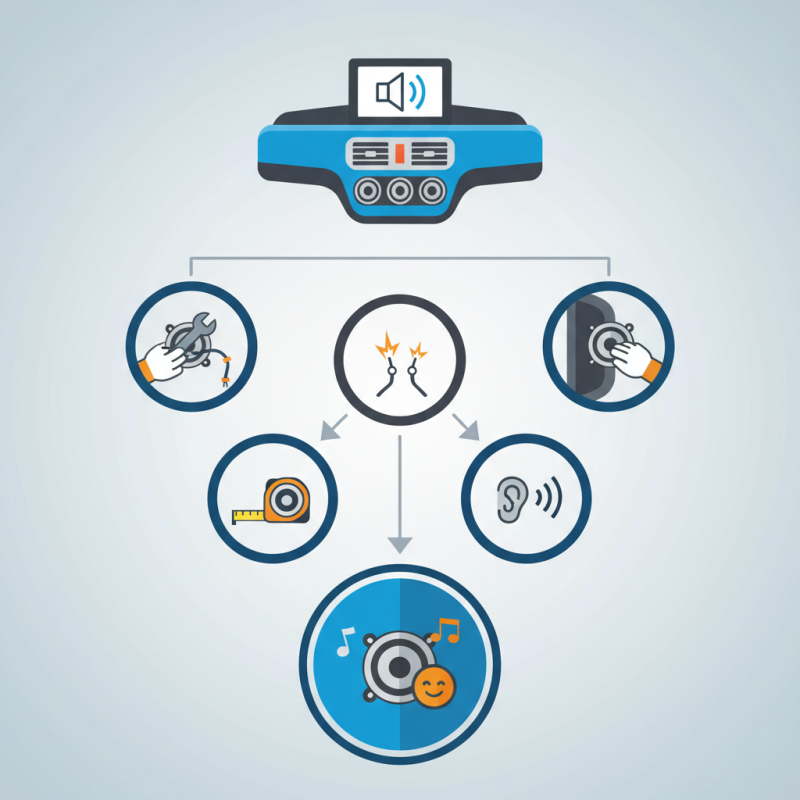
Begin by removing the old speakers with care. It's important to disconnect the wiring properly. Check for any hidden screws or clips. This step can be frustrating if you're not prepared. Once removed, measure the mounting depth. Incorrect sizing can lead to issues later, wasting time and effort.
Afterward, connect the new speakers, ensuring secure wiring. It’s common to encounter loose connections, which can affect sound quality. Test the speakers before final installation. This helps identify any wiring issues early on. Installing car speakers requires patience and attention to detail. With practice, you can achieve the sound quality you desire.
Choosing the Right Car Speakers for Optimal Audio Performance
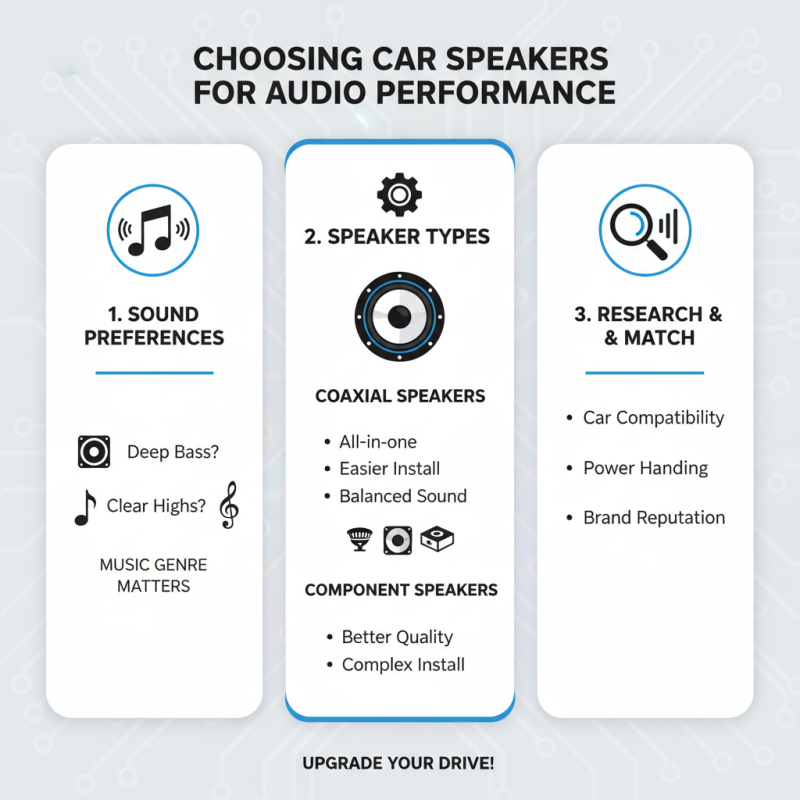
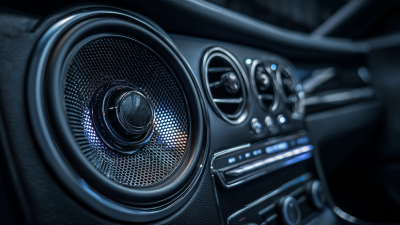
Choosing the right car speakers is essential for an exceptional audio experience. Start by understanding your sound preferences. Do you enjoy deep bass, or do you prefer clear highs? Your choice will depend on the music genres you like. Research speaker types, such as coaxial and component speakers. Each design offers different sound qualities and installation complexities.
Consider the specifications, like power handling and sensitivity. Higher sensitivity means better sound at lower volumes. However, don't overlook the importance of matching your speakers with your car's audio system. Oversized speakers might not fit well. Measurements and compatibility are crucial. Think about your installation skills too. If you're unsure, professional help may be needed.
Finally, make room for experimentation. Sometimes, what seems perfect might need adjustments. Different brands can sound different even with similar specifications. Test them if possible. Listen to them in store or ask a friend for a demo. Don't rush into a purchase. Audio enjoyment is often about finding that perfect fit for personal taste. It's a journey of trial and error.
Understanding Your Vehicle’s Speaker Configuration and Requirements
When upgrading your car speakers, understanding your vehicle's speaker configuration is crucial. Each car has a unique layout. Some vehicles have dedicated spaces for tweeters and woofers, while others combine them. Identifying these will guide your speaker selection and installation. Check your vehicle's manual to find specific details about your sound system.
Tips: Make note of the size and type of existing speakers. Larger speakers can sometimes fit into smaller spaces. So, measure twice before making any assumptions. A mismatch can lead to unsatisfactory sound quality.
You might also face challenges with wiring. If the connectors don’t match, be ready to adapt. Sometimes the original wires need alteration for new units. This can be daunting. It's a reminder to stay patient during your installation. Proper wiring will drastically improve sound clarity.
Tips: Consider using a multimeter to ensure you have correct voltage. This simple tool can prevent errors that might cost time and extra work. Testing these connections can save you frustration later. Trust your instincts and consult online resources when in doubt.
Step-by-Step Guide to Removing Old Speakers Safely
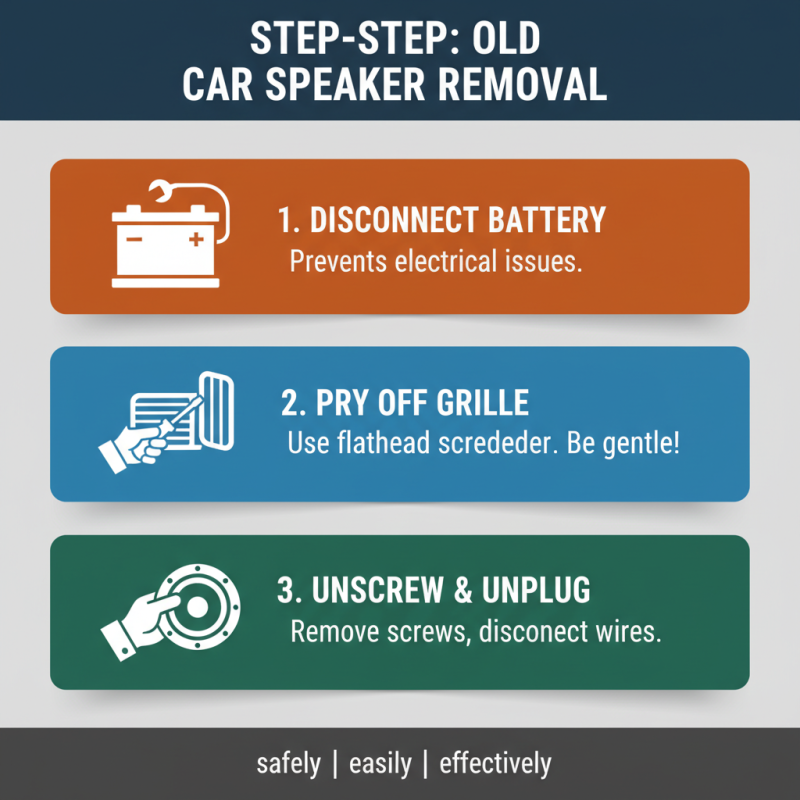
Removing old car speakers can seem daunting. However, with the right approach, it can be straightforward. Start by ensuring safety; disconnect the battery. This prevents any electrical issues. Use a flathead screwdriver to pry off the speaker grille gently. Be careful not to damage the surrounding area.
Once the grille is off, locate the screws securing the speaker. Sometimes, these screws can be rusty or stripped. If you encounter resistance, use penetrating oil to ease removal. After they're out, gently pull the speaker out. There may be wiring connected. Take your time to disconnect the wires carefully. Mistakes here can affect your new installation later.
Keep track of any screws or parts. They can be easy to lose. It’s also a good idea to take photos during this process. This can help with reinstallation later. Remember, not every speaker fits the same way, so double-check the specifications for your new speakers. Overall, patience is vital as you navigate this task.
Installing New Car Speakers: Techniques for Best Sound Quality
When installing new car speakers, sound quality is crucial. Research shows that proper installation can improve sound quality by up to 30%. Start by choosing the right speakers for your vehicle. Pay attention to the speaker size and type. Compatibility affects overall performance.
Tips: Ensure your car has suitable wiring and speaker mounts. Using adapter plates may help with fitment. This can save you from upcoming headaches during installation.
Consider sound deadening materials. They reduce unwanted vibrations and enhance acoustic clarity. The right materials can make a significant difference. Some DIY enthusiasts overlook sound deadening, impacting the sound experience.
Placement matters too. Position speakers to maximize soundstage and clarity. Aim for a balanced sound. Improper placement may lead to an uneven audio experience. Adjusting the speaker angles can be beneficial.
Quality installation takes time. Double-check all connections to prevent any loose wiring. Attention to detail is imperative. Take your time to achieve the best results for pristine audio quality.
How to Install Car Speakers in Simple Steps for Maximum Sound Quality?
| Step |
Description |
Tools Needed |
Estimated Time |
| 1 |
Remove the old speakers from your car. |
Screwdriver, panel removal tool |
30 minutes |
| 2 |
Choose the correct new speakers based on size and compatibility. |
Speaker specifications reference |
15 minutes |
| 3 |
Install the new speakers, ensuring proper connection of wires. |
Wrench, connectors |
30 minutes |
| 4 |
Test the sound quality to ensure speakers are functioning correctly. |
Music source |
10 minutes |
| 5 |
Secure the speakers and replace any covers or panels. |
Screwdriver |
20 minutes |
Testing and Fine-Tuning Your Speakers for Maximum Performance
Testing and fine-tuning your car speakers is crucial for achieving the best sound quality possible. Start by listening to your favorite tracks. Play them at different volumes to evaluate clarity and balance. Notice if any frequencies stand out too much or get lost completely. This initial listen helps you identify areas needing adjustment.
Next, use an equalizer to shape the sound. Adjust the bass, midrange, and treble according to your preferences. It’s easy to overdo adjustments. A little often goes a long way. If the bass becomes too overpowering, it may drown out vocals. Use a gradual approach. Small changes can lead to noticeable improvements. Pay attention to the subwoofer's integration with the rest of the speakers.
Testing different setups can also reveal issues. Move your speakers slightly or change their orientation. Sometimes, simply tilting them can enhance the sound stage. Don't hesitate to ask a friend for a second opinion. Fresh ears can catch details you might overlook. Fine-tuning takes time and patience, but the reward is a satisfying listening experience.