Maximizing Your Drive: The Ultimate Guide to Choosing the Right Car Audio System for an Enhanced Sound Experience
In today's fast-paced world, the integration of high-quality sound systems in vehicles has become a crucial aspect of the driving experience. With the global car audio market projected to reach $9.2 billion by 2027, the demand for advanced car audio systems is skyrocketing (source: Industry Research Reports). Consumers are increasingly seeking out systems that not only enhance the auditory experience but also offer connectivity options, such as Bluetooth and smartphone integration. This shift is driven by the rising trend of in-car entertainment, where users spend more time in their vehicles and desire sound quality that rivals their home audio systems.
Choosing the right car audio system can dramatically elevate your driving experience, transforming mundane commutes into immersive audio journeys. In this guide, we will explore essential factors to consider when selecting the perfect system to maximize your drive and ensure every note resonates with quality.
Understanding Car Audio System Components: Speakers, Amplifiers, and Head Units
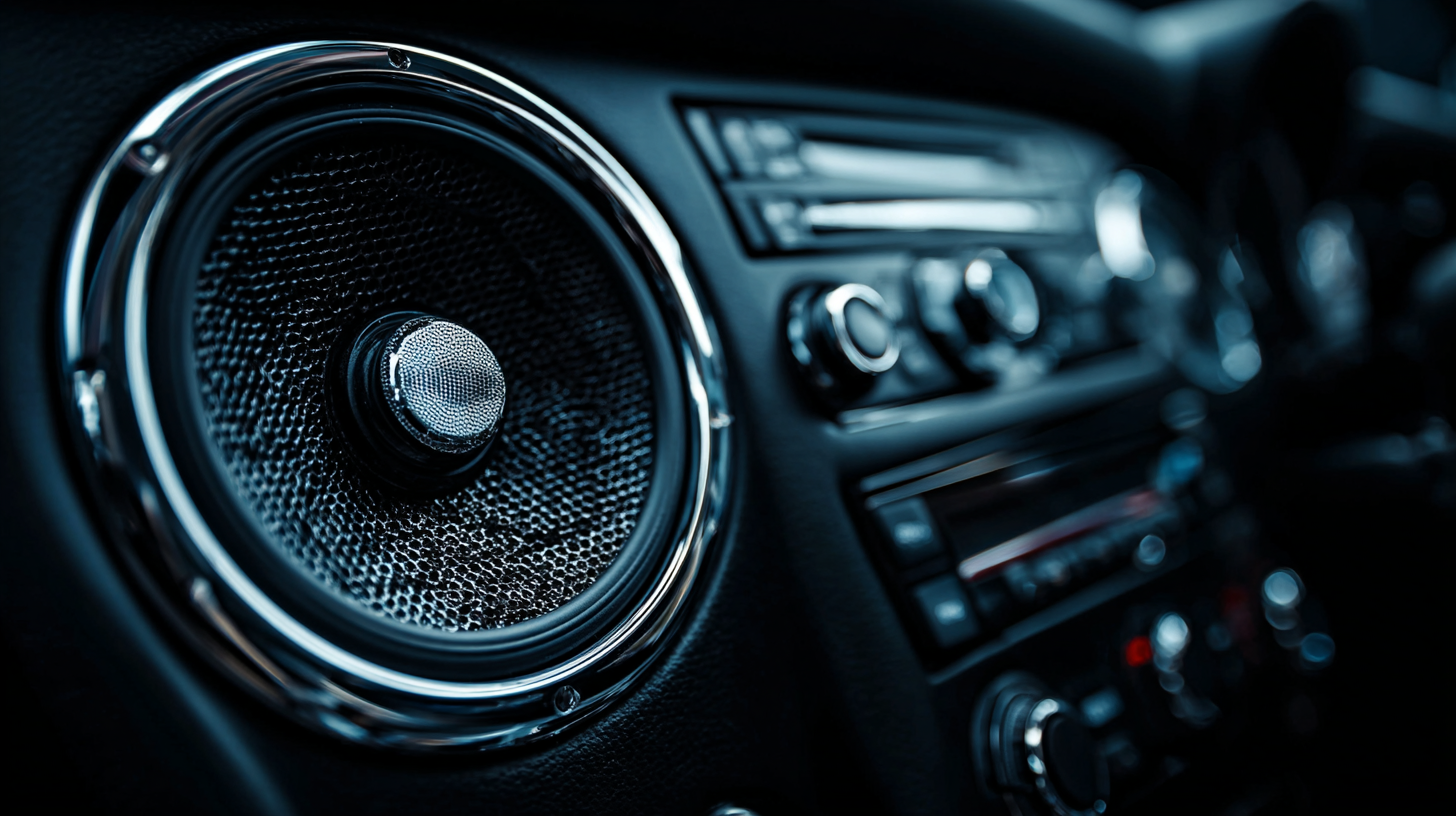
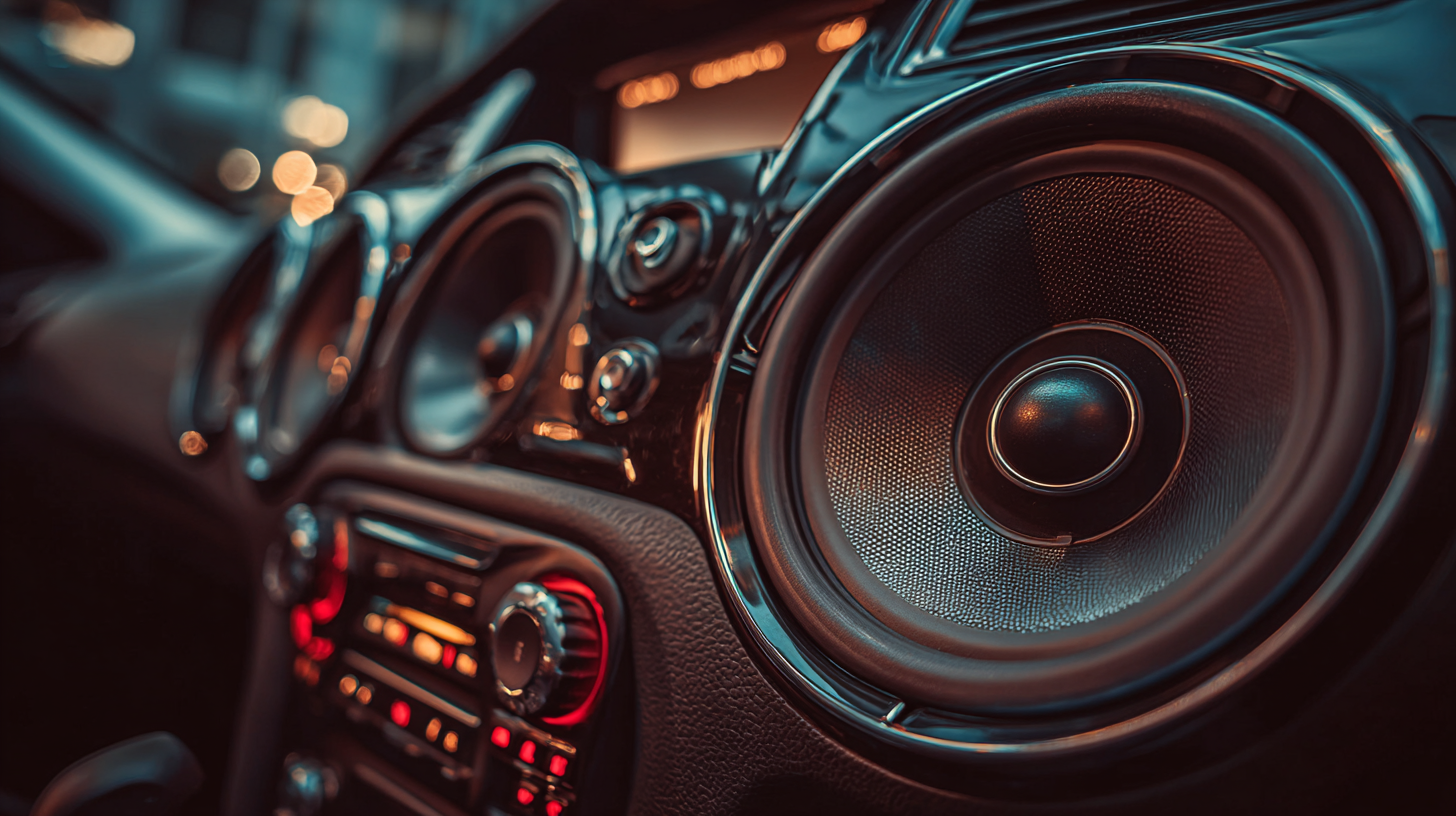
When selecting a car audio system, it’s essential to understand its key components: speakers, amplifiers, and head units. Each element plays a crucial role in creating an enhanced sound experience. Speakers are responsible for converting electrical signals into sound, significantly impacting the clarity and quality of music. High-quality speakers can handle a wide range of frequencies, ensuring that every note and beat is accurately reproduced, making them a critical investment.
Amplifiers, on the other hand, serve to boost the audio signal's power, allowing for a more dynamic listening experience. A well-matched amplifier can enhance the performance of your speakers, enabling them to reach their full potential without distortion, even at higher volumes. Lastly, head units, or car stereos, act as the command center of your audio system. They not only provide control over music selection and volume but also influence the overall sound quality through equalization settings and connectivity options. Choosing the right combination of these components will maximize your car's audio performance and elevate your auditory enjoyment on the road.
Key Considerations for Selecting the Right Speakers: Types and Specifications
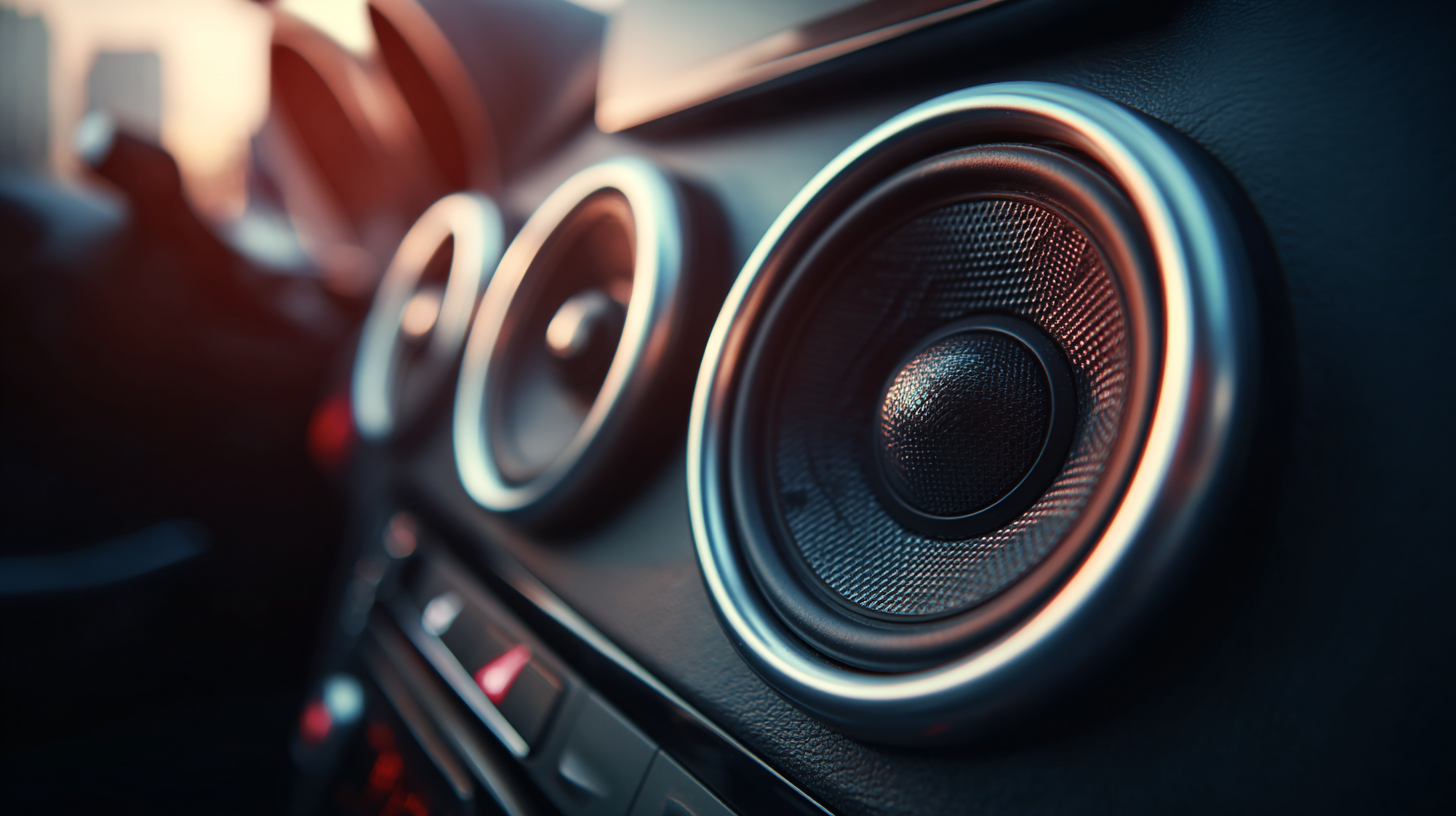
When selecting the right speakers for your car audio system, understanding the different types and their specifications is crucial for maximizing sound quality. According to a report by Technavio, the global car audio system market is expected to grow by over $11 billion by 2025, highlighting the increasing demand for high-quality audio experiences in vehicles. This growth is fueled by advancements in technology, but it also underscores the importance of choosing the appropriate speakers tailored to your listening preferences.
There are primarily two types of car speakers: coaxial and component. Coaxial speakers, featuring multiple speaker elements within a single unit, are often more affordable and easier to install, making them ideal for casual listeners. However, component speakers separate the tweeters and woofers, allowing for better sound staging and clarity, especially at higher volumes. A consumer survey from the Consumer Technology Association indicates that 65% of audiophiles prefer component setups for their ability to deliver a richer and more immersive sound experience. When considering specifications, pay attention to sensitivity ratings and power handling capabilities, as these factors greatly influence your audio system’s performance and your overall satisfaction.
The Role of Amplifiers in Boosting Sound Quality: Power Ratings and Distortion Levels
When it comes to upgrading your car audio system, understanding the role of amplifiers is crucial.
Amplifiers enhance the sound quality by increasing the power of the audio signal sent to the speakers.
Research shows that a higher power rating, typically measured in watts, allows speakers to perform at their best without distortion.
For instance, a quality amplifier should ideally have power ratings that match your speakers’ capabilities, which can range anywhere from
50 to 300 watts per channel depending on your setup. This ensures that your audio experience is immersive and distortion-free.
To maximize sound quality, consider the total harmonic distortion (THD) rating of your amplifier.
Industry reports indicate that a THD level below 0.1% is generally considered ideal for audiophile-level sound.
A low THD means cleaner sounds, which enhances the overall listening experience.
Additionally, selecting an amplifier with a signal-to-noise ratio (SNR) of 90 dB or higher can significantly reduce background noise, creating a more precise soundscape.
Tips: Always match your amplifier’s power output to your speakers’ specifications to prevent damage and achieve optimal performance.
Also, test the amplifier in your vehicle before finalizing your purchase to ensure it fits seamlessly with your existing setup.
Investing in a quality amplifier not only enhances sound but also prolongs the life of your audio system.
Everything You Need to Know About Sound Deadening: Benefits and Installation Techniques
When it comes to enhancing your car audio experience, sound deadening plays a crucial role. According to industry research by the Sound Control Association, effective sound deadening can reduce unwanted noise levels inside a vehicle by up to 50%. This significant reduction not only improves overall sound quality but also allows the audio system to perform at its best, ensuring crisp highs and deep lows without interference from road noise.
Installing sound deadening materials is simpler than many might think. There are various techniques available, including adding mass-loaded vinyl, using acoustic foam, or applying butyl-based mats in strategic locations. A report from the Mobile Electronics Association indicates that vehicles equipped with sound deadening materials can have a 30% higher perceived audio clarity, making a substantial difference when listening to your favorite tracks. Whether you choose to go the DIY route or consult a professional installer, investing in sound deadening can transform your driving experience into a concert-like atmosphere, making every journey more enjoyable.
Comparing Head Unit Features: Digital Connectivity, User Interface, and Radio Options
When it comes to upgrading your car audio system, the head unit serves as the heart of your setup. Its features greatly influence your overall listening experience, making it essential to choose wisely. Start by exploring digital connectivity options such as Bluetooth, USB, and auxiliary inputs. These connections allow for seamless integration with smartphones and other devices, enabling you to stream music and access your favorite applications effortlessly.
**Tip:** Look for head units that support high-resolution audio formats for clearer sound quality. Additionally, consider units with built-in support for popular music streaming services, which can provide instant access to a vast library of tracks.
User interface is another crucial aspect to consider. A responsive touchscreen or intuitive button layout can significantly enhance usability while driving. Check for options that allow customization of your interface to suit personal preferences, making it easier to navigate through playlists or adjust settings on the go.
**Tip:** Prioritize head units with voice command capabilities to promote safer driving. This feature allows you to control your audio system without taking your hands off the wheel, ensuring a more focused driving experience.
Comparing Head Unit Features for Car Audio Systems