
7 Mobile Audio Installation Tips for Global Buyers

Buying a mobile audio system across borders can feel exciting, but installation quality often decides the final experience. A powerful amplifier cannot fix poor wiring, weak speaker placement, or an unsuitable vehicle interface. For global buyers, mobile audio installation requires more than choosing attractive specifications online.

This guide shares practical lessons from real installation planning, including power checks, vehicle compatibility, speaker positioning, and amplifier ventilation. Small details matter. A loose ground connection may create noise after a few drives. A badly sealed door can weaken bass during heavy rain. Buyers should confirm voltage requirements, connector types, warranty coverage, and qualified installation support before purchasing. Local safety standards and manufacturer instructions should always guide the work.

No installation plan is perfect. Vehicle designs differ, product information can be incomplete, and shipping conditions may affect equipment. I have seen buyers focus on wattage while overlooking battery capacity and dashboard integration. That mistake can become expensive. Careful measurements, clear documentation, and advice from experienced technicians reduce these risks. The following seven tips are designed to help international buyers compare products honestly, prepare better questions, and achieve reliable sound without compromising vehicle safety. Take notes. Check twice.
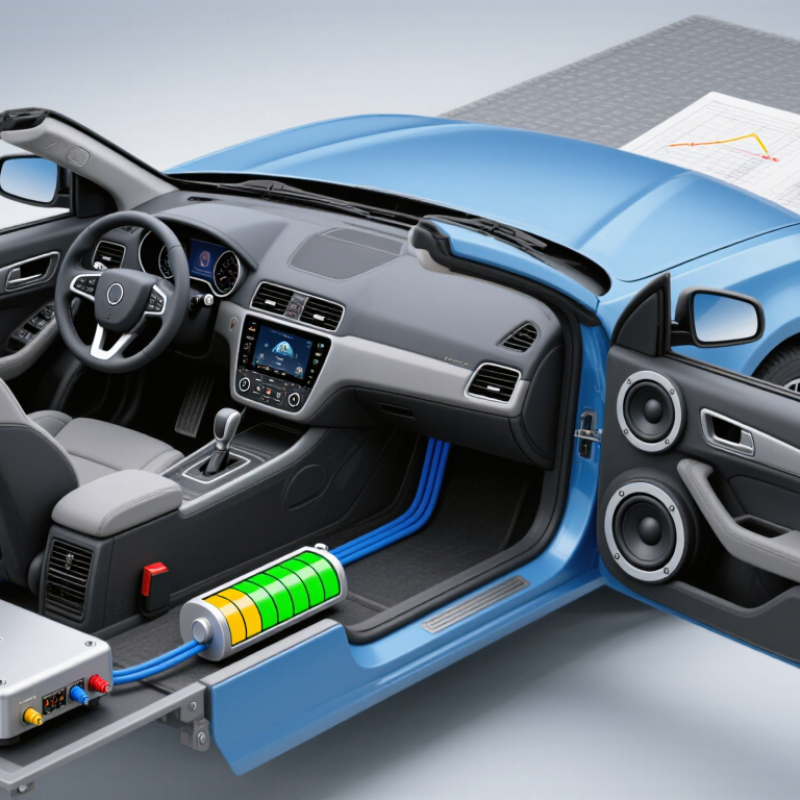
7 Mobile Audio Installation Tips for Global Buyers

Define Your Vehicle’s Audio Goals and Listening Environment

Before choosing equipment, define what “better sound” means inside your vehicle. A driver who enjoys clear podcasts needs a different setup from someone who wants deep, controlled bass. Consider your usual listening: speech, acoustic music, electronic tracks, or mixed playlists. Write down two or three priorities. This simple step prevents expensive choices that sound impressive but feel tiring after a long drive.

Your listening environment matters just as much. A compact cabin creates strong reflections, while a large vehicle may lose detail through road noise. Test the system during a normal commute, not only in a quiet parking area. Notice whether vocals remain clear at 60 kilometers per hour. Check if bass vibrates the door panels or disappears at higher volume. These details reveal installation problems that specifications cannot show.

I once assumed more power would solve weak sound. It did not. Better speaker positioning and careful tuning made a greater difference. Measure available mounting depth before ordering components, and leave room for wiring and ventilation. Ask an experienced installer how the vehicle’s factory controls, safety systems, and cabin materials may affect the work. Request written measurements, tuning details, and warranty terms. Avoid copying another driver’s setup. Their cabin, hearing, and daily route may be completely different. Your first goal may also change after real use. That is normal.

Choose Compatible Speakers, Amplifiers, and Source Components

Choosing compatible speakers, amplifiers, and source components is central to a dependable mobile audio installation. Start with the vehicle’s available space, wiring capacity, and electrical system voltage. A speaker’s nominal impedance must match the amplifier’s safe operating range. Its continuous power rating should suit the amplifier’s real output, not an inflated peak figure. This helps prevent heat, distortion, and early failure. Measure mounting depth before ordering. A few millimeters can stop an excellent speaker from fitting.

Source components also need careful checking. Confirm connector types, audio outputs, supported file formats, and control compatibility. Some vehicles require a suitable interface to preserve steering controls or factory safety functions. Do not assume every adapter works universally. Ask for wiring diagrams and verify pin layouts before installation. Small errors can damage equipment.

Climate matters too. Buyers in humid regions should consider moisture-resistant materials and protected connections. Cold environments may require components tested for wider temperature ranges. Check the amplifier’s ventilation space, especially beneath seats or inside sealed panels. In workshop testing, poor airflow caused noticeable output reduction after extended use. I once trusted a power rating without checking the fuse capacity. That choice needed reworking. It reminded me to compare every specification, including cable size, grounding points, and local electrical requirements. Independent manuals and qualified installers remain valuable when vehicle systems differ across markets.

Plan Power, Wiring, and Signal Paths Before Installation

Before installing mobile audio equipment, verify the vehicle’s electrical system and the destination market. Many passenger vehicles use 12-volt systems, while some commercial vehicles use 24 volts. Check the manual and measure voltage with a multimeter. Do not rely on assumptions. Calculate expected current, cable length, and suitable wire size before ordering parts. Install the main fuse close to the battery, using a rating matched to the cable and equipment.

Map every power, ground, speaker, and signal route on paper. Keep power cables separate from low-level signal cables to reduce alternator noise. If they must cross, use a 90-degree angle. Secure wiring beneath trim, away from pedals, airbags, sharp metal, and hot surfaces. A clean ground should connect to solid, bare chassis metal. Paint and rust can create resistance. Leave a little service slack, but avoid loose loops.

Test the system before replacing interior panels. Check polarity, voltage drop, speaker balance, and heat around fuses and connectors. In hot, humid, or dusty regions, sealed connectors and protected cable entry points deserve extra attention. I once trusted a tight-looking ground connection that failed after several weeks of vibration. That mistake changed my inspection routine. Use documented measurements, follow local vehicle regulations, and ask a qualified installer to review unfamiliar wiring or high-current circuits.

Install and Tune the System for Balanced Sound Performance

A balanced mobile audio system begins with a careful installation, not maximum volume. Inspect the vehicle’s power connections and protect every cable from heat, moisture, and sharp metal edges. Secure the speakers firmly, then check their polarity. Reversed polarity can weaken bass and blur vocals. Add suitable vibration control around speaker panels. Excess movement wastes energy and creates unwanted rattles.

Set the amplifier gain with a clean recording and moderate volume. Gain is not a volume control. Adjust the crossover so each speaker handles frequencies it can reproduce clearly. A small subwoofer should support the front speakers, not overpower them. Use time alignment when available, especially if the driver sits close to one side. Then make small equalizer changes. Large boosts often hide installation problems.

I test familiar tracks from the driver’s seat and the passenger seat. Voices should remain natural, while bass should feel tight rather than boomy. Different vehicles, climates, and cabin materials change the result, so imported systems may need local adjustment. My early installations were not perfect. I sometimes corrected the equalizer before checking speaker mounting. That mistake taught me to measure, listen, and inspect in that order. Keep the final settings documented, including gain levels and crossover points. A qualified installer can verify electrical safety and compliance with local vehicle regulations.

7 Mobile Audio Installation Tips for Global Buyers

Install and tune each system section within its practical frequency range. Correct crossover points, speaker polarity, equalization, and time alignment help create balanced sound performance in different vehicle cabins.

The frequency bands represent commonly used audio system sections: sub-bass, mid-bass, midrange, presence, and treble. Final settings should be verified with in-vehicle measurements and careful listening.

Verify Safety, Durability, and Regional Compliance Before Purchase

7 Mobile Audio Installation Tips for Global Buyers

Verify safety, durability, and regional compliance before purchase.

A powerful speaker is not automatically a safe one. The World Health Organization’s World Report on Hearing estimates that over 1.5 billion people live with hearing loss. Excessive volume and poor tuning can worsen exposure risks.

Tip 1: Check continuous power ratings, thermal protection, and volume controls.

Tip 2: Confirm that wiring includes suitable fuses near the power source.

Small details matter.

Tip 3: Review the product’s safety documentation against IEC 62368-1, where applicable. Also examine electromagnetic compatibility requirements, such as UNECE Regulation No. 10 for relevant vehicle installations. Regional approval can differ.

Tip 4: Ask for test reports, not only marketing claims. A compliance logo without traceable documentation is a weak signal.

Tip 5: Verify voltage range, connector standards, and installation instructions for the destination market. I have seen tidy installations fail because the cable gauge was too small. That mistake is easy to miss.

Durability needs physical evidence. Look for vibration testing, corrosion resistance, heat-cycle results, and strain relief around connectors.

Tip 6: Inspect mounting points and keep cables away from sharp metal edges, airbags, and moving parts.

Tip 7: Choose serviceable components with replaceable fuses and accessible terminals.

The U.S. National Highway Traffic Safety Administration reported 3,308 deaths involving distracted driving in 2022. Audio should remain controllable without distracting the driver. My own buying checklist still needs revision; regional documentation is often less clear than expected.