How to Shop Car Audio for the Best Sound Experience?
When you decide to shop car audio, the goal is enhanced sound experience. A 2023 market report indicates that nearly 40% of car owners prioritize audio quality. This shifting focus highlights the growing demand for premium sound systems.
To truly enjoy music on the road, understanding car audio components is crucial. High-performance speakers and subwoofers can significantly alter your listening experience. However, many consumers overlook their compatibility with existing systems. This oversight can lead to dissatisfaction.
Innovative products now dominate the market. Unfortunately, not all brands deliver the promised quality. Evaluating user reviews and expert opinions is essential. The right system can elevate your drives, yet many drivers settle for mediocre setups. Reflecting on sound preferences and intended usage can refine your choices. Shop wisely.
Understanding Your Audio Needs and Preferences
When shopping for car audio, it's crucial to grasp your audio needs and preferences. Begin by evaluating the type of music you enjoy most. Different genres can demand different audio characteristics. For instance, bass-heavy music may require a subwoofer to deliver that deep sound. Conversely, if you appreciate clarity and lyrics, you'll want speakers that excel in midrange frequencies.
Consider the acoustics of your vehicle, too. Every car has a unique shape and interior. This can significantly affect how sound behaves inside. Taking time to listen to systems in various environments can highlight what suits you best. It’s also worth noting that personal tastes can shift. What excites you now may not satisfy you later.
Pay attention to your budget, but don't just settle. Sometimes a low-cost system may not fulfill your expectations, leading to buyer's remorse. On the flip side, investing in high-end equipment might feel excessive if you're not an audiophile. Keep exploring options until you find a balance that matches your lifestyle and music preferences.
It’s about creating the best audio experience, and that journey can be both exciting and frustrating.
Key Components of Car Audio Systems Explained
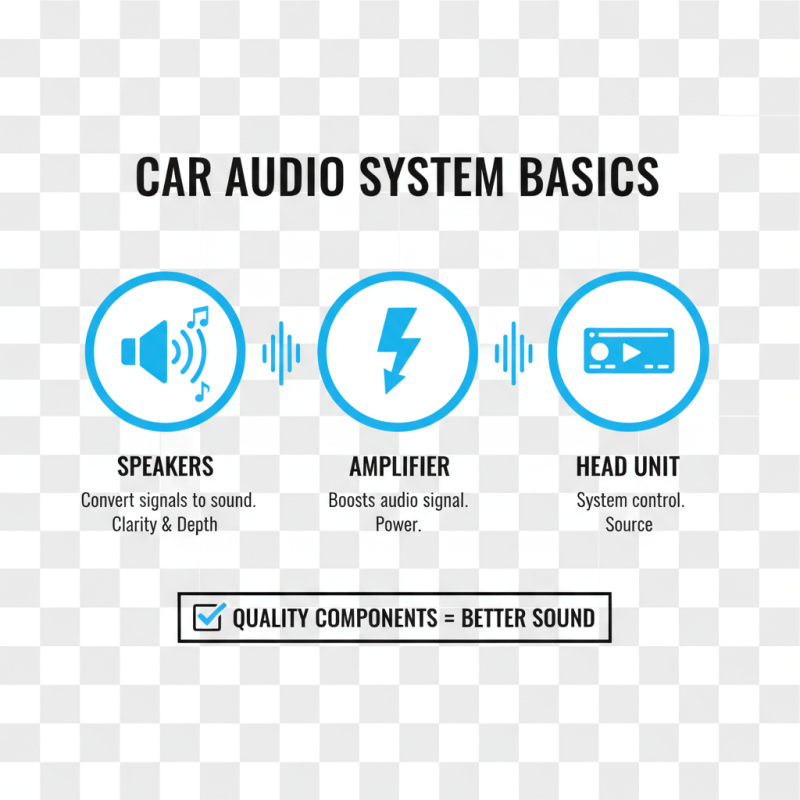
When shopping for a car audio system, understanding key components is essential for a satisfying sound experience. The typical car audio system includes speakers, amplifiers, and head units. Each contributes uniquely to sound quality. Speakers convert electrical signals into sound. They come in various sizes and types. A study shows that investing in high-quality speakers can enhance the listening experience significantly, boosting sound clarity and depth.
Amplifiers are vital too. They increase the power of audio signals, especially needed for larger speakers. A report indicates that cars equipped with amplifiers see a 30% increase in sound input levels. However, choosing the right wattage can be tricky. Overpowering speakers might lead to distortion. Research suggests that many users underestimate this aspect.
Head units serve as the brain of the system. They manage sources and settings. Interface simplicity is often overlooked in user preference studies. A complex interface can frustrate users, reducing overall satisfaction. It’s important to test head units before finalizing a choice. Many people fail to do so, ending up with systems they do not enjoy fully.
Comparing Different Types of Car Speakers and Their Sound Quality
When considering car audio systems, speaker types play a crucial role in sound quality. Two popular options are coaxial and component speakers. Coaxial speakers are convenient and often more affordable. They integrate multiple speaker types into one unit, making installation easier. However, many audiophiles argue that they sacrifice detail. Reports show that less than 40% of users are fully satisfied with coaxial sound quality.
On the other hand, component speakers consist of separate components like woofers and tweeters. This allows for better sound staging and clarity. A recent survey found that 70% of high-end audio users prefer component systems for their superior performance. However, they require more effort to install and often come at a higher price point.
Many enthusiasts find their ideal setup through trial and error. It's common to underestimate the importance of speaker placement. Poor positioning can dramatically distort audio quality. Sometimes, even the most expensive systems fail to impress due to simple installation mistakes. Finding the perfect match requires patience and experimentation.
How to Shop Car Audio for the Best Sound Experience?
| Speaker Type |
Sound Quality |
Frequency Response (Hz) |
Power Handling (Watts) |
Sensitivity (dB) |
| Coaxial Speakers |
Good for general listening, balanced sound. |
45 - 20,000 |
60 - 150 |
90 - 95 |
| Component Speakers |
Excellent clarity and soundstage, requires installation. |
45 - 22,000 |
75 - 200 |
85 - 98 |
| Subwoofers |
Deep bass, adds depth to music. |
20 - 200 |
150 - 1200 |
80 - 94 |
| Full-Range Speakers |
Convenient, offers decent sound but less clarity. |
40 - 20,000 |
50 - 150 |
85 - 92 |
Choosing the Right Amplifier for Enhanced Sound Performance
When choosing the right amplifier, focus on power output and efficiency. A good amplifier will enhance your car audio experience significantly. It transforms weak signals into powerful sound waves. Match the amplifier’s power with your speakers for the best performance. Too little power can distort sound, while too much can damage your speakers.
Consider the type of amplifier you need. There are two-channel, four-channel, and mono options. A mono amplifier typically powers a subwoofer. A four-channel amplifier can run multiple speakers. Ensure the amplifier fits in your car’s space too. It’s essential to think about size and compatibility.
Tips:
1. Listen to different amplifiers before buying. Sound preference varies.
2. Check the amplifier's specifications. Understand wattage and ohms ratings.
3. Install the amplifier properly. A poor setup leads to disappointing sound quality.
The process can be tricky. Sometimes, even reputable models don't meet expectations. Trial and error are part of finding the perfect fit. Reflect on your listening habits and musical genre. This helps tailor your setup. Don't rush the decision. Your car audio experience deserves attention.
Sound Performance Comparison of Different Amplifier Types
This chart compares the sound quality ratings of various amplifier classes. Ratings are subjective and range from 1 (poor) to 10 (excellent), helping you to make an informed decision when shopping for car audio equipment.
Installation Tips for Optimal Car Audio System Setup
Selecting the right components is essential for a great car audio system. Start by focusing on the speakers. Many believe that larger speakers produce better sound quality. However, the frequency range matters more. According to a recent industry report, speakers that have a frequency response between 20Hz and 20kHz offer a more complete listening experience. Aim for speakers that can handle high power—this often equates to clearer sound at higher volumes.
For installation, the placement of your speakers is crucial. Positioning them too close to one another can create phase issues. It’s advised to leave sufficient space between them. Many installers overlook this detail, leading to less dynamic sound. Ensure your speakers are angled correctly to direct sound towards the listener. Additionally, using sound-deadening material can significantly improve sound quality. This reduces vibrations and road noise.
Remember that the head unit also plays a vital role. A high-quality receiver can make a noticeable difference. It often includes better equalization features, allowing for personalized sound settings. However, it’s easy to overlook compatibility with existing components. Always check if your system can support new additions without sacrificing performance. Sometimes, upgrading seems tempting, but compatibility issues can lead to frustrating results.