How to Successfully Install Mobile Audio Systems for Optimal Sound Quality
In today's fast-paced world, mobile audio installation has emerged as a crucial component for audiophiles and casual listeners alike, seeking an unparalleled sound experience on the go. According to a report by MarketsandMarkets, the global automotive audio market is projected to reach $45.2 billion by 2025, driven by advancements in technology and consumer demand for higher sound quality. This growth underscores the importance of not just having the right equipment, but also ensuring that the installation process maximizes performance.
Industry expert Jonathan Lee, a seasoned professional in mobile audio installation, emphasizes the importance of precision during the installation process, stating, "A well-installed mobile audio system can make the difference between mediocre sound and an immersive listening experience." This sentiment resonates with many, as the proper installation not only enhances sound quality but also ensures longevity of the audio system.
As consumers continue to invest in premium audio solutions for their vehicles, understanding the intricate details of mobile audio installation will be essential for achieving optimal sound quality. This comprehensive approach ensures that each component works harmoniously, providing users with a sound experience that adapitates to their specific preferences and the unique acoustics of their vehicle.

Understanding the Basics of Mobile Audio System Components
When installing a mobile audio system, understanding the basic components is crucial for achieving optimal sound quality. The primary elements of a mobile audio system include the head unit, speakers, amplifiers, and subwoofers. The head unit acts as the control center, where users interact with various inputs, adjust settings, and manage playback. Selecting a quality head unit is essential, as it greatly influences the overall sound output and can enhance features such as Bluetooth connectivity and equalizer settings.
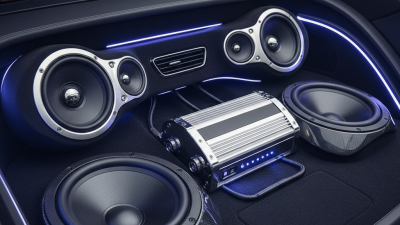
Speakers are another vital component that directly affects sound reproduction. There are different types of speakers to consider, including coaxial and component styles. Coaxial speakers, which combine multiple elements in a single unit, are often more convenient for installation, while component speakers typically offer superior sound quality due to their separate components, enabling better sound staging and clarity. Additionally, amplifiers play a significant role in powering the speakers and ensuring that sound is delivered without distortion at various volume levels. For bass enthusiasts, a subwoofer is indispensable, providing deep and rich low frequencies that enhance the listening experience. Understanding these components and their roles is fundamental for anyone looking to create a high-quality mobile audio system.
Selecting the Right Speakers for Optimal Sound Performance
Selecting the right speakers is crucial for achieving optimal sound performance in mobile audio systems. When considering speakers, one must evaluate factors such as power handling, sensitivity, and frequency response.
Power handling refers to the maximum wattage a speaker can handle without distortion, which is essential for ensuring clarity and fullness in sound.
High-sensitivity speakers require less power to produce the same volume as lower-sensitivity options, making them an excellent choice for systems with limited power supply.
Another key aspect to consider is the frequency response of the speakers. A broader range indicates the ability to reproduce a wider variety of sounds, enhancing the listening experience.
It is important to choose speakers that effectively handle both the high frequencies for crisp vocals and treble and the lower frequencies for robust bass.
Additionally, the placement and design of the speakers can significantly impact sound quality; ensuring they are positioned correctly in the vehicle will help to create an immersive audio environment, allowing for balanced sound distribution throughout the space.
Optimizing Amplifier Setup for Enhanced Audio Quality
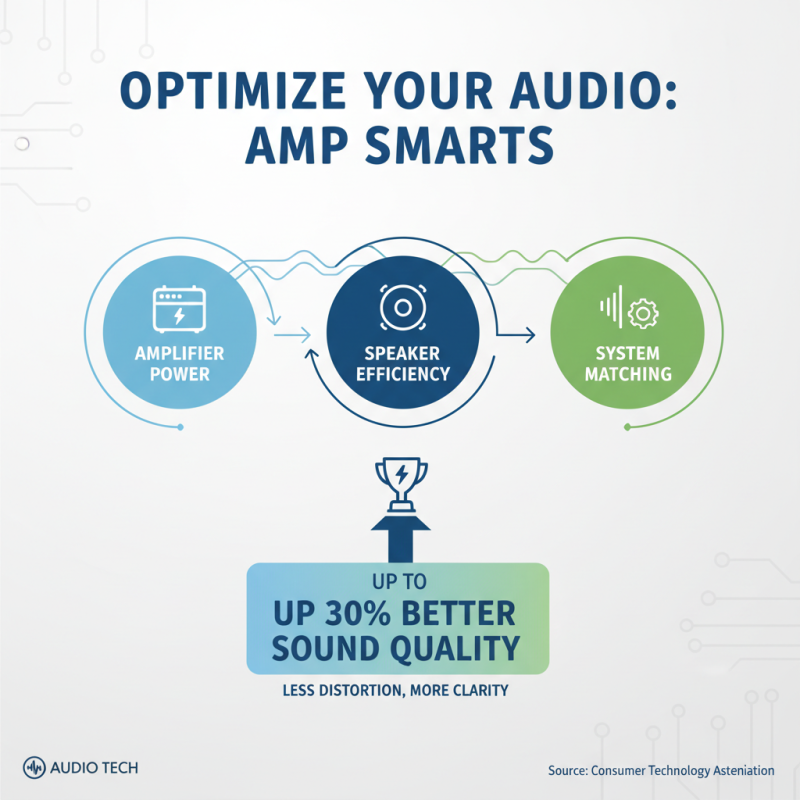
When optimizing amplifier setup for enhanced audio quality, understanding the relationship between amplifier power, speaker efficiency, and overall system configuration is crucial. According to industry reports, such as those from the Consumer Technology Association, properly matched amplifiers can increase overall sound quality by up to 30%. This optimization ensures that the amplifier can effectively drive the speakers, minimizing distortion and maximizing clarity at higher volumes.
One of the key factors in amplifier setup is the impedance matching with speakers. Most car audio systems operate at either 4 ohms or 2 ohms, and mismatching these values can lead to inefficient power usage and potential damage to both the amplifier and the speakers. A study by the Audio Engineering Society highlights that running an amplifier close to its rated load impedance can result in a significant drop in harmonic distortion levels, thus enhancing the overall listening experience. Additionally, ensuring that the gain setting on the amplifier is adjusted correctly is vital; setting it too high can lead to clipping, while too low can result in a lack of dynamic range.
Finally, the placement of amplifiers plays an essential role in reaching optimal sound quality. Positioning the amplifier closer to the battery can reduce signal loss and ensure stable power delivery, whereas mounting it in a well-ventilated area helps mitigate overheating, which can also affect audio performance. The integration of high-quality components and careful consideration of the acoustic environment further contribute to the improved sound quality, enabling audiophiles to enjoy a more immersive experience.
Proper Installation Techniques for Noise Reduction and Clarity
When it comes to installing mobile audio systems, achieving optimal sound quality hinges significantly on proper installation techniques aimed at
noise reduction and clarity. According to a report from the Audio Engineering Society, nearly 70% of perceived audio quality issues often stem from inadequate installation rather than the components themselves. To combat this, it's essential to focus on isolation and damping.
Utilizing high-quality sound deadening materials can effectively reduce vibrations and prevent unwanted noise from entering the cabin, ensuring that clarity isn't compromised by external sounds.
Moreover, the positioning of speakers plays a crucial role in sound performance. Studies have shown that speaker placement can influence the overall soundstage and imaging significantly. For example, installing speakers at proper angles and heights can improve acoustic performance by ensuring that sound waves reach the listener's ears at appropriate intervals. The recommended practice is to follow the equilateral triangle principle where the listener and the speakers form the vertices of an equilateral triangle, enhancing the auditory experience.
Finally, attention to wiring and connections cannot be overlooked. A comprehensive survey by the Consumer Technology Association indicates that poorly executed wiring can lead to a 30% loss in sound quality. Ensuring that cables are properly managed—avoiding sharp bends and friction points—contributes to a more reliable system, minimizing electromagnetic interference, which can detract from the overall listening experience. By employing these techniques, you can foster an environment where your mobile audio system can perform at its best, delivering rich, clear sound free from unnecessary noise.
Testing and Tuning Mobile Audio Systems for Peak Performance
Testing and tuning mobile audio systems is a crucial step in achieving peak performance and optimal sound quality. After the installation of speakers, amplifiers, and other components, the next focus is on fine-tuning these elements to ensure they work harmoniously. The process begins with assessing the acoustics of the vehicle by playing a variety of audio tracks. Various genres can help identify specific strengths and weaknesses in the system. This evaluation allows the installer to make necessary adjustments, such as optimizing speaker placement and angle or tweaking crossover settings, to enhance the overall sound stage.
Once the initial assessment is complete, utilizing tools such as sound level meters and equalizers can help in refining audio performance. It’s essential to pay attention to frequency response, ensuring that lows, mids, and highs are balanced and clear. Adjusting the gain levels and testing the system at various volume levels can also uncover distortion issues that may arise when pushing the audio system to its limits. Armed with these adjustments, the final step involves critical listening to fine-tune the audio experience, making sure every frequency resonates well within the specific acoustics of the vehicle for an immersive listening experience.
How to Successfully Install Mobile Audio Systems for Optimal Sound Quality
| Dimension |
Measurement |
Notes |
| Speaker Type |
Component/Coaxial |
Choose based on sound preferences |
| Power Rating |
50W RMS |
Consider amplifier matching |
| Frequency Response |
20Hz - 20kHz |
Wide range for clarity |
| Sensitivity |
90 dB |
Higher is better for efficiency |
| Installation Location |
Front Doors |
Optimal for sound staging |
| Tuning Method |
Equalizer Adjustment |
Fine-tuning required |
| Testing Setup |
Sound Level Meter |
For accurate measurement |