Top 10 LP207 Pillow Block Bearing Manufacturers for Global Buyers
A bearing can look like a small component, yet its failure can stop a conveyor, fan, or packaging line. Heat, vibration, and a loose housing often reveal problems only after operation begins. Supplier choice matters. Grand View Research valued the global bearing market at USD 126.8 billion in 2023. Its Global Bearings Market report projected an 8.4% compound annual growth rate through 2030. This broad market estimate signals substantial demand, but it does not measure the quality of any individual manufacturer.
For global buyers, the Lp207 Pillow Block Bearing deserves closer review than a catalogue photograph allows. Check bore size, housing material, insert design, sealing, lubrication options, and stated load ratings. Ask whether dimensions follow recognized standards and whether inspection records are available. A supplier’s published claims are useful, but they are not the whole story. Fit matters. So do replacement access, packaging, lead times, and communication when specifications change.
This Top 10 guide is intended to help buyers compare manufacturers using practical criteria: product range, technical documentation, quality systems, export experience, and support after delivery. Availability and suitability can vary by region and application. A ranking cannot replace engineering review, and a low quoted price may conceal important differences. That is worth admitting. Before ordering, confirm operating speed, loads, shaft dimensions, and environmental conditions with the supplier. Small details can decide whether a bearing performs reliably—or becomes an avoidable maintenance call.
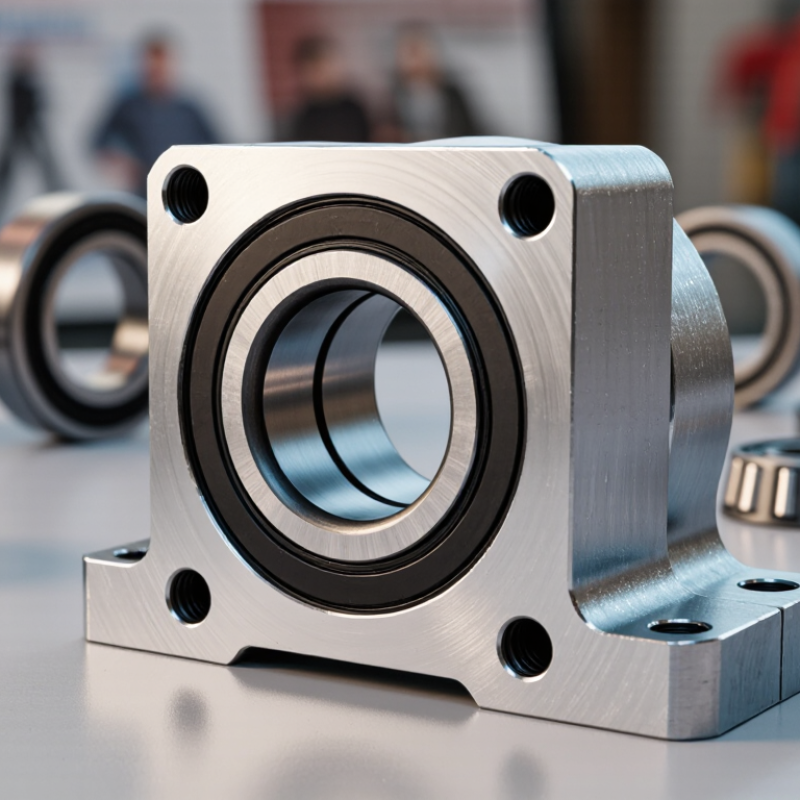
Understanding the LP207 Pillow Block Bearing
An LP207 pillow block bearing combines a bearing insert with a support housing, allowing a shaft to be mounted on a flat surface. The insert typically has a spherical outer surface, which can accommodate slight alignment errors during installation. It is not a substitute for careful setup. Fit matters.
Buyers should confirm the shaft diameter, housing dimensions, mounting-hole spacing, and overall height against a technical drawing. The LP207 designation can vary between suppliers, so the code alone may not confirm interchangeability. Check whether the unit uses set screws or another shaft-locking method, and review its seal design and lubrication requirements. These details affect maintenance and suitability for dusty or damp work areas.
During installation, a clean, level mounting surface helps prevent uneven loading. Tighten the housing evenly, then rotate the shaft by hand to feel for drag or roughness before operation. A small misalignment may seem harmless, yet it can increase heat and shorten service life. In practice, this check is easy to rush. Also consider operating speed, load direction, and expected temperature; a general-purpose unit may not suit every duty cycle. Request dimension and load data when the application is demanding.
How LP207 Bearings Are Made and Used
An LP207 pillow block bearing unit typically combines a mounted housing with a replaceable rolling-bearing insert. Production begins with steel rings, which are machined, heat-treated, and ground to create accurate raceways. Balls and a cage are assembled between the rings, then grease is added to reduce friction. The housing is commonly cast or formed, depending on its design.
Small details matter.
During assembly, the insert is seated in the housing and checked for smooth rotation and proper fit. Some versions secure the shaft with set screws; others use a different locking arrangement. LP207 dimensions and details can vary by supplier, so check the drawing before ordering. A part number alone may not tell the whole story.
That is an easy detail to miss.
In use, the unit supports a rotating shaft in equipment such as conveyors, fans, and agricultural machinery. Mount it on a flat, rigid surface, then align the shaft before tightening the fasteners. Keep it clean. Dust, moisture, and misalignment can shorten service life. After startup, listen for unusual noise and check for excess heat or vibration. Relubrication needs depend on speed, load, and surroundings; a fixed interval is not right for every machine.
Criteria for Evaluating Global LP207 Bearing Manufacturers
Selecting an LP207 pillow block supplier starts with evidence, not a polished catalog. Request a dimensioned drawing, bore and housing tolerances, shaft-fit guidance, and seal details for the exact configuration. Confirm whether the unit uses set-screw or eccentric locking; the choice affects mounting and service checks. Small details matter. Compare declared ratings with ISO 281 life calculations, and ask which load assumptions were used.
Tolerance claims should be traceable to inspection records, not just a sales sheet. ISO 492 defines rolling-bearing dimensional and running-accuracy tolerances, but does not validate a complete mounted unit. Ask for material certificates, hardness results, batch traceability, and relevant test conditions.
A 2014 U.S. Department of Energy report states that motor-driven systems account for about 68% of U.S. manufacturing electricity use. This is useful operational context, not a ranking of bearing suppliers.
Evaluate delivery consistency, technical response time, warranty exclusions, and replacement availability in your destination markets. Request inspection data from several production lots; one flawless sample can hide process variation.
No scorecard is perfect. Even experienced buyers sometimes overweight price.
Profiles of Ten LP207 Pillow Block Bearing Manufacturers
LP207 pillow block bearing manufacturers differ in casting quality, insert design, inspection, and support. These ten profiles describe capabilities buyers can compare, not a ranked list. A casting-focused maker should provide a stable housing with clean, even mounting surfaces. A machining specialist may offer closer control over bore alignment and mounting dimensions. A sealing-focused producer emphasizes contact seals that help limit dust and moisture entry. For farm equipment or conveyors, that detail matters.
A heavy-duty supplier may use reinforced housings for vibration-prone service. A customization-focused manufacturer can discuss seals, grease fittings, or housing materials for specific conditions. A quality-led producer should document inspection steps and batch traceability. A flexible workshop may handle modest order quantities, though lead times can vary. An export-oriented maker should protect units against moisture and impact during transit. A technically capable supplier can help check shaft fit and installation details. Small differences matter. Still, a polished catalog cannot replace clear measurements and test records.
Tips: Confirm the shaft diameter, operating speed, load, and environment before comparing quotes. Ask for dimensional drawings and inspection data. Check the actual unit before installation; I once underestimated how much a small fit mismatch could complicate alignment.
Comparing Suppliers for Quality, Availability, and Support
An LP207 pillow block bearing may look like a straightforward replacement, but small differences can affect installation. Compare suppliers on dimensional information, housing finish, bearing movement, and the clarity of their product records. Ask for the shaft diameter, mounting-hole spacing, and overall dimensions in writing. A clear drawing is more useful than a polished catalog image. Fit matters.
Quality checks should be practical. Request details on materials, inspection procedures, and how the supplier handles defects. If possible, inspect a sample for rough edges, inconsistent finish, or an insert that does not rotate smoothly. These checks do not replace formal testing, but they can reveal questions worth asking before a larger order. I would not treat a confident sales reply as proof of consistent production.
Availability also needs careful comparison. Ask whether quoted stock is physically available, how lead times change for repeat orders, and whether packaging protects the unit from moisture and impact. Stock claims need dates. Good support means receiving a specific answer when dimensions or installation conditions are unclear, not just a quick response. Share the operating environment, shaft size, and expected load, then see whether the supplier identifies limitations or asks for missing details. A small hesitation can be more trustworthy than an easy promise.
Top 10 LP207 Pillow Block Bearing Manufacturers for Global Buyers - Comparing Suppliers for Quality, Availability, and Support
Common UC207 insert bearing reference dimensions (mm)
This vendor-neutral chart shows typical UC207 insert dimensions associated with many P207 pillow block units: 35 mm bore, 72 mm outside diameter, and 42.9 mm bearing width. Dimensions can vary by manufacturer and design; confirm the drawing and specifications for the exact LP207 unit when comparing suppliers. These are product dimensions, not supplier ratings.