
Top 10 Types of Scooter Sport Bikes for Global Buyers
Choosing a Scooter Sport Bike for global use requires more than comparing engine size or sharp styling. Buyers face different roads, climates, traffic patterns, budgets, and service networks. A fast model may feel exciting on smooth highways, yet feel heavy during crowded city commutes. An electric scooter may reduce running costs, but charging access can change its daily usefulness. Small details matter. Seat height. Brake feel. Storage space. Tire grip.
Michele Colaninno, chairman and chief executive of Piaggio Group, has described the scooter as “a symbol of freedom and mobility.” That idea helps shape this guide. The best Scooter Sport Bike should connect practical transportation with enjoyable performance. It should offer confident handling, predictable acceleration, useful weather protection, and dependable support after purchase. Buyers should also check local registration rules, safety equipment requirements, warranty coverage, and parts availability before ordering internationally.
This article reviews ten major scooter sport bike types for global buyers. It considers urban sport scooters, maxi scooters, electric performance scooters, adventure-oriented models, touring designs, retro sport versions, and lightweight commuter options. Each category serves a different rider. None is perfect. That is worth admitting. Marketing photos often hide wind noise, firm seats, limited battery range, or expensive maintenance. Real ownership can be less glamorous.
The comparison therefore focuses on measurable features and everyday experience. Acceleration matters, but control matters more. Styling attracts attention, but reliability earns trust. A careful buyer will test riding posture, luggage capacity, suspension comfort, and braking stability. This approach creates a clearer path through a crowded international market.
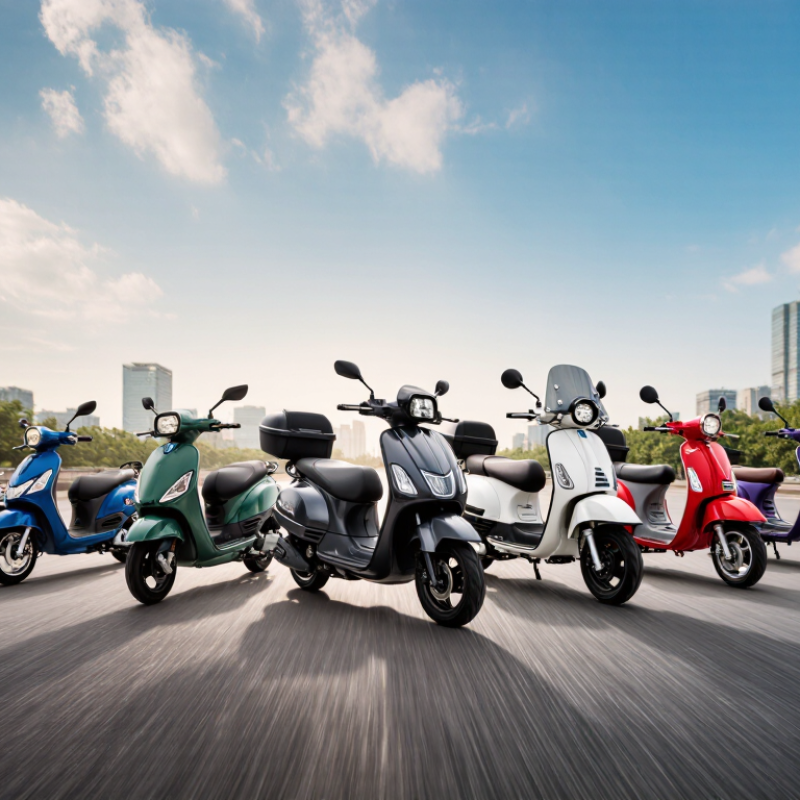
Scooter Sport Bikes: Definition, Design, and Key Performance Features
Scooter sport bikes combine automatic transmission convenience with sharper handling and stronger acceleration. Their step-through frames often hide liquid-cooled engines, wider tires, and firmer suspension. Unlike ordinary commuter scooters, they use more aggressive bodywork and riding positions. The category includes lightweight urban models, maxi-scooters, touring-oriented designs, and performance-focused machines. The label can mislead, though. A sporty appearance does not guarantee strong cornering or braking.
Design details affect everyday control. A low center of gravity helps riders manage traffic and tight parking spaces. Larger wheels usually improve stability over uneven pavement. Twin front discs can provide confident stopping, but brake feel depends on tire grip and suspension setup. Adjustable rear shocks are useful when carrying luggage or riding with a passenger. Seat height, wind protection, and storage capacity also matter for global buyers. A beautiful fairing becomes less valuable when heat builds around the rider in slow traffic.
Tips: Check your local road rules, engine classification, and required equipment before buying. Compare wet weight, wheel size, ground clearance, and service access. During a test ride, listen for drivetrain vibration and test low-speed balance. Manufacturer figures are helpful, but real roads are imperfect. Rain, rough surfaces, and heavy luggage may change performance noticeably. I would also inspect the mirrors and seat comfort after thirty minutes, not five. Small discomforts often become major daily complaints.
Top 10 Types of Scooter Sport Bikes for Global Buyers - Scooter Sport Bikes: Definition, Design, and Key Performance Features
| No. | Scooter Sport Bike Type | Definition and Typical Design | Typical Powertrain | Typical Wheel Size | Approx. Top Speed | Key Performance Features | Best Use Case |
|---|---|---|---|---|---|---|---|
| 1 | Maxi Sport Scooter | Large automatic scooter with a long wheelbase, substantial fairing, upright ergonomics, under-seat storage, and strong wind protection. | Single- or twin-cylinder petrol engine, approximately 300–650 cc; automatic CVT. | 14–16 inches | 130–180 km/h | Highway stability, liquid cooling, dual-channel ABS, traction control on some models, adjustable suspension, and strong mid-range acceleration. | Long-distance touring, commuting, and two-up highway travel. |
| 2 | Sport GT Scooter | A sport-oriented grand-touring scooter combining a compact body, aerodynamic fairing, relaxed seating, and practical luggage capacity. | Single-cylinder petrol engine, approximately 125–400 cc; automatic CVT. | 13–15 inches | 100–155 km/h | Balanced handling, windscreen protection, efficient fuel use, disc brakes, ABS, and comfortable rider-and-passenger ergonomics. | Daily commuting plus weekend touring. |
| 3 | Urban Sport Scooter | Lightweight step-through scooter with sporty bodywork, a narrow chassis, quick steering, and compact dimensions for dense traffic. | Single-cylinder petrol engine, approximately 110–200 cc; automatic CVT. | 12–14 inches | 85–125 km/h | Low weight, rapid low-speed response, strong fuel economy, front disc brake, combined braking or ABS, and easy parking. | City commuting, short trips, and beginner-friendly riding. |
| 4 | Supersport-Style Scooter | Automatic scooter designed with aggressive fairings, a compact riding position, sharp visual styling, and handling-focused chassis geometry. | Single-cylinder petrol engine, approximately 150–400 cc; automatic CVT. | 13–15 inches | 110–155 km/h | Firm suspension tuning, wider tires, strong front braking, improved cornering clearance, and responsive throttle mapping. | Sport-focused urban riding and twisty-road recreation. |
| 5 | Performance Electric Scooter | Battery-powered scooter with a low center of gravity, silent operation, digital controls, and instant electric torque. | Hub or mid-mounted electric motor, approximately 5–25 kW; single- or dual-battery configuration. | 12–15 inches | 90–160 km/h | Instant acceleration, regenerative braking, selectable riding modes, battery management system, and low routine drivetrain maintenance. | Urban commuting, low-emission zones, and short-to-medium-distance travel. |
| 6 | Adventure Sport Scooter | Crossover scooter with a taller stance, longer-travel suspension, protective bodywork, larger wheels, and limited light off-road capability. | Single-cylinder petrol engine, approximately 150–500 cc; automatic CVT. | 14–16 inches | 105–160 km/h | Increased ground clearance, long-travel suspension, dual-purpose tires, switchable traction control on some models, and hand guards or crash protection. | Mixed city, rural-road, gravel-road, and touring use. |
| 7 | Three-Wheel Sport Scooter | Sport scooter using two front wheels or two rear wheels to increase stability, tire contact, and confidence during braking and cornering. | Single- or twin-cylinder petrol engine, approximately 300–600 cc; automatic CVT. | 12–15 inches | 125–165 km/h | Dual-front suspension, linked braking, ABS, improved standing stability, and enhanced grip on uneven or wet roads. | Urban traffic, commuting, and riders seeking extra low-speed stability. |
| 8 | Large-Wheel Sport Scooter | Sport-styled scooter built around larger-diameter wheels, a slim frame, and a relatively high riding position for stable road manners. | Single-cylinder petrol engine, approximately 125–300 cc; automatic CVT. | 16–17 inches | 100–135 km/h | Stable straight-line behavior, improved obstacle absorption, efficient fuel consumption, disc brakes, and predictable steering. | Commuting on uneven streets and longer urban routes. |
| 9 | Retro Sport Scooter | Modern automatic scooter combining classic rounded bodywork and simple visual details with contemporary suspension, braking, and electronic systems. | Single-cylinder petrol engine, approximately 125–300 cc; automatic CVT. | 12–14 inches | 90–130 km/h | Smooth power delivery, manageable dimensions, fuel-efficient operation, ABS or combined braking, and comfortable upright ergonomics. | Lifestyle commuting, leisure riding, and compact-city travel. |
| 10 | Track-Inspired Racing Scooter | Highly sport-focused scooter featuring aggressive ergonomics, aerodynamic panels, performance suspension, lightweight components, and a reduced emphasis on storage. | Single-cylinder petrol engine, approximately 150–400 cc; automatic CVT. | 13–15 inches | 115–155 km/h | Firm damping, high-grip tires, larger disc brakes, traction control on some models, quick acceleration, and increased cornering clearance. | Enthusiast riding, closed-course training, and short sporty road trips. |