When it comes to car audio installation, achieving optimal sound quality can be challenging. Expert technician Joe Lawson states, "The right installation can make or break your audio experience." His insights reflect the importance of precision in every step.
Proper car audio installation requires attention to detail. Choosing the right components is vital. It’s not just about the speakers or the head unit; positioning and wiring play crucial roles. Even small mistakes can lead to disappointing sound quality.
Many enthusiasts rush their installation. They often overlook simple adjustments that can vastly improve audio output. Taking time to review each step can enhance the listening experience significantly. Sound quality shouldn’t be sacrificed for speed. A thoughtful approach can yield truly remarkable results in car audio installation.
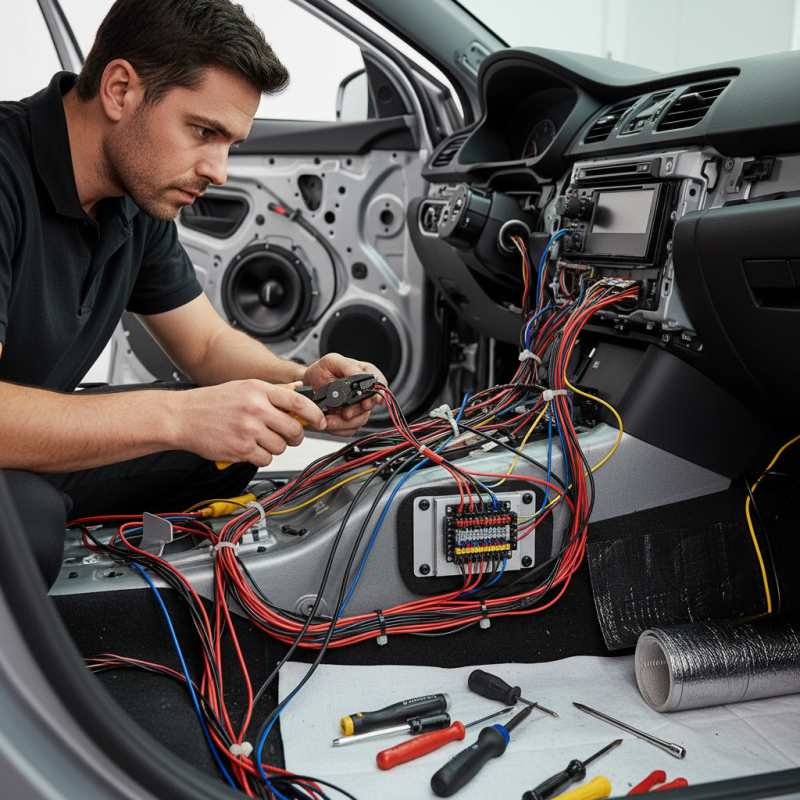
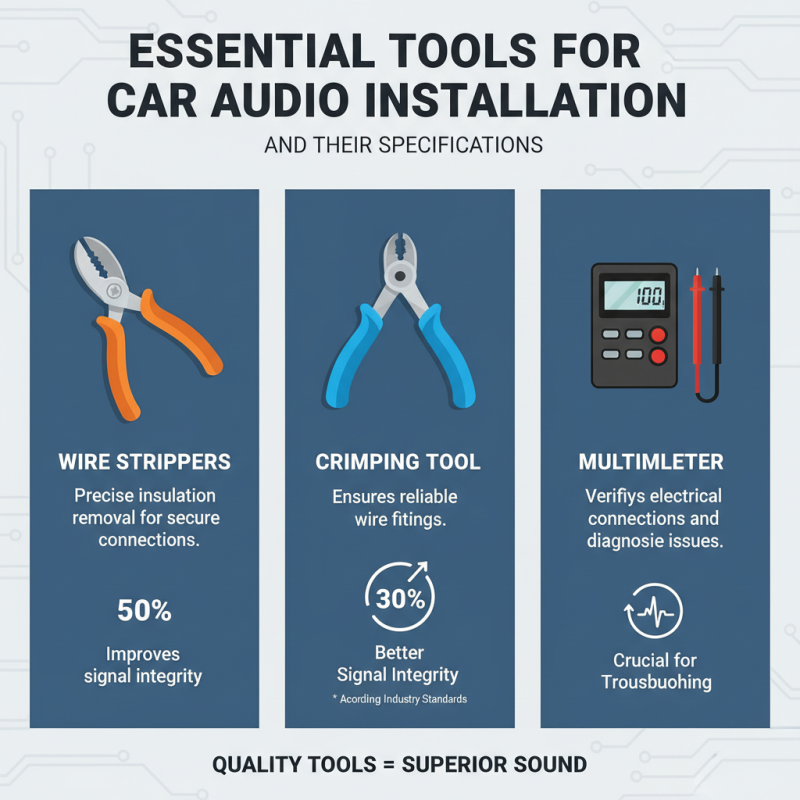
When installing car audio systems, having the right tools is vital for achieving high-quality sound. Essential tools include wire strippers, crimping tools, and a multimeter. The wire stripper allows for precise removal of insulation, essential for secure connections. A good crimping tool ensures reliable fittings between wires. According to industry standards, proper connections can improve signal integrity by up to 30%.
Another crucial tool is a power drill, used for mounting speakers securely. Using screws instead of adhesive can enhance the clarity of sound. A study by the Mobile Electronics Association highlights that secure installations reduce vibrations, which can lead to distortion in audio. Pay attention to the specifications of the drill to ensure it meets the torque requirements for your audio setup; improper torque can cause hardware failure.
Many novice installers overlook the importance of sound deadening materials. These materials minimize unwanted vibrations, enhancing sound quality significantly. A report suggests that cars with proper sound dampening can reduce noise intrusion by 50%. However, selecting the right type can be challenging. Not every product offers the same performance. Experimentation may be necessary to find the best fit for your vehicle.
Speaker placement is a critical factor in achieving optimal sound quality in your vehicle. According to industry research from the Mobile Electronic Association, proper positioning can enhance sound clarity and balance significantly. Positioning speakers too close together or in non-ideal locations leads to muddled audio. Aim to spread your speakers across the vehicle to create a broader soundstage.
A common mistake is neglecting the angle of the speakers. Speakers should direct sound towards the listener’s ears. This alignment ensures a richer audio experience. Testing various angles can reveal what works best, especially for different cabin sizes.
For longevity, consider environmental factors. Humidity and temperature changes in the vehicle can affect audio components. Installing speakers with adequate protection from moisture could prolong their lifespan. A subtle yet essential tip: always secure wiring to prevent rattling sounds. Small details make a significant difference in overall sound quality and performance.
When it comes to car audio installation, wiring gauge plays a pivotal role. The correct gauge ensures a robust and clear signal. A lower gauge number means thicker wire, which can handle more current. Thicker wires reduce resistance, minimizing signal loss during transmission. For optimal sound quality, choosing the right wiring gauge is not just a preference; it's a necessity.
Many enthusiasts overlook this aspect. They might use standard or inadequate wiring, thinking it won't matter much. However, this can lead to a muffled sound or distortion at high volumes. Choosing a wire gauge that matches the power requirements of your system can significantly enhance audio quality. Ideally, larger wires should be used for powerful amplifiers to keep the audio clear and impactful.
There is also a human tendency to take shortcuts. It's tempting to use leftover wiring from previous projects. But this can lead to mistakes that affect performance. Invest time in selecting the correct gauge. Doing so not only improves sound quality but also ensures your system performs reliably over time. Proper wiring selection is often underestimated but is crucial for a truly immersive listening experience.
Installing a subwoofer can greatly enhance your car's audio performance. To achieve optimal bass, consider the enclosure type. A sealed enclosure provides tight and accurate bass. In contrast, a ported enclosure boosts low frequencies but can lose some precision. According to industry studies, properly sized enclosures can improve sound pressure levels by up to 12 dB.
Positioning is crucial for maximizing bass response. Place the subwoofer near the rear of the vehicle, where bass frequencies tend to accumulate. This location often enhances sound waves, leading to a fuller sound. Experimenting with different locations can yield surprising results. Some users find that a slight shift in placement can drastically alter the sound experience.
Wiring also plays a significant role. The gauge of the wire should match the power output of the amplifier to avoid potential losses. Research indicates that using a thicker wire can reduce resistance, leading to up to 15% more power to the subwoofer. It’s essential to check connections carefully; loose terminals can lead to rattling or suboptimal sound. Balancing installation quality with your audio system's capabilities often requires ongoing adjustment and learning.
Tuning your car audio system is essential for achieving optimal sound quality. EQ settings and calibration play a crucial role. According to a study by the Mobile Electronics Association, improperly tuned systems can lose up to 60% of their sound potential. Fine-tuning your EQ allows you to maximize sound clarity and depth. Aim to balance frequencies, enhancing the bass without overpowering vocals.
One effective tip is to adjust the midrange frequencies. This range significantly affects vocal clarity. Sedentary adjustments may lead to a muddy sound. Try to keep midrange frequencies around 2kHz to 4kHz. It’s also essential to find a listening position. Tweaking the settings while seated can help you better gauge the overall sound.
Don’t overlook the importance of correct speaker placement. Subwoofers often sound best when placed in corners. However, some setups may create an echo effect or "boominess." Placement requires testing and adjusting. Continuously listen and refine your setup. This process can be time-consuming, but it's necessary for achieving a balanced sound. Remember that audio settings may vary based on music genre. Regular calibration is vital for long-term enjoyment.

| Sunday | CLOSED | |
| Monday | 9AM-12PM | 1PM-6PM |
| Tuesday | 9AM-12PM | 1PM-6PM |
| Wednesday | 9AM-12PM | 1PM-6PM |
| Thursday | CLOSED | |
| Friday | 9AM-12PM | 1PM-6PM |
| Saturday | 10AM-12PM | 1PM-6PM |
Please note that we are closed for lunch from 12PM-1PM daily.