
China’s oil storage tank industry is expanding as energy companies seek safer, larger, and more adaptable storage infrastructure. The International Energy Agency’s Oil 2024 report projects global oil demand will reach about 105.4 million barrels per day by 2030. This outlook keeps tank capacity, inspection, and inventory flexibility commercially important. Storage is not merely a steel shell. It includes foundations, floating roofs, seals, fire protection, corrosion control, and commissioning support.
A reliable Oil Storage Tank Manufacturer should demonstrate more than attractive pricing. Buyers should examine welding procedures, material traceability, hydrostatic testing, coating systems, and compliance with recognized standards such as API 650. China’s manufacturers differ widely in engineering depth and after-sales service. Some focus on large atmospheric tanks, while others provide modular systems for refineries, terminals, and industrial facilities. Details matter. Factory audits, inspection records, and references from comparable projects can reveal practical capability better than brochures. Grand View Research and other market studies indicate continued investment in oil and petroleum storage, although their market boundaries and forecasts vary. That difference deserves attention. A ranking is never perfect, because production quality may change between projects, factories, and subcontractors. This guide reviews ten leading Chinese suppliers through a buyer-focused lens, considering design experience, manufacturing capacity, certifications, delivery performance, safety practices, and lifecycle support. The strongest choice may not be the largest company. It may be the supplier that communicates clearly, documents every critical step, and responds effectively when field conditions become difficult.
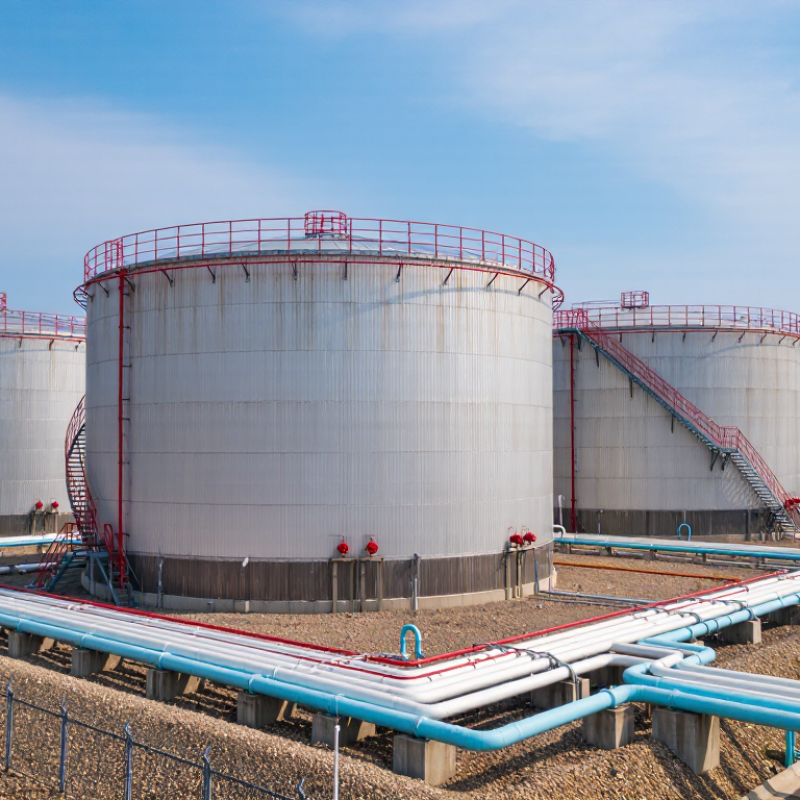
A reliable oil storage tank manufacturer in China should offer more than a competitive quotation. Buyers need evidence of practical experience, controlled production, and clear technical communication. Ask for project references with similar tank capacity, stored medium, climate, and foundation conditions. A serious manufacturer can explain material selection, corrosion allowance, roof design, welding procedures, and inspection points without hiding behind general promises.
Quality starts with traceability. Steel plates should carry verifiable mill certificates, while welders need suitable qualifications for the project requirements. Inspectors should record fit-up checks, weld tests, coating thickness, dimensional tolerances, and leak testing. Depending on the destination, the manufacturer may work with API 650, EN 14015, or applicable Chinese standards. The correct standard must match the contract and local authority expectations. Not every certificate proves real capability.
Visit the workshop if possible. Look at plate storage, welding areas, blasting equipment, and finished tank protection. Ask how design changes are approved and how nonconforming work is corrected. After-sales support also matters, especially for installation guidance, spare parts, and technical documents. No factory is perfect. A dependable one admits limitations and documents corrective action. Buyers should also review payment terms, delivery controls, packing methods, and inspection rights before production begins. Clear records often reveal reliability better than polished sales language.

China’s top 10 oil storage tank manufacturers for buyers should be judged by engineering capability, not online visibility. A strong shortlist includes suppliers experienced in welded steel tanks, cone-roof tanks, floating-roof systems, and double-wall designs. Each manufacturer should provide material certificates, welding procedures, inspection records, and clear delivery terms. Factory capacity matters, but it does not replace technical control.
Buyers should compare tank volume, shell thickness, foundation requirements, coating systems, and local climate resistance. Ask for drawings showing nozzles, ladders, vents, access platforms, and emergency drainage. Useful suppliers can explain how they manage corrosion under insulation and inspect weld seams. They should also support recognized international standards and adapt documentation to the project jurisdiction.
Details reveal reliability. Check plate traceability, hydrostatic testing records, dimensional reports, and spare-part availability. A site visit can expose weak housekeeping or inconsistent quality faster than a polished brochure. Price is important, yet a cheaper tank may require more coating repairs and longer commissioning. The “top 10” label can also be subjective; rankings change with capacity, project type, and export experience. Buyers should verify every claim directly. Small gaps in communication may become costly.
| Rank | Supplier Profile | Primary Tank Types | Typical Capacity Range | Common Materials | Applicable Standards | Typical Applications | Customization | Buyer Consideration |
|---|---|---|---|---|---|---|---|---|
| 01 | Supplier Profile A | Fixed-roof, cone-roof and floating-roof tanks | 100–100,000 m³ | Carbon steel; stainless steel | API 650; GB/T 50341 | Crude oil, diesel, gasoline and fuel oil | High | Suitable for large terminals and refinery storage projects |
| 02 | Supplier Profile B | Horizontal cylindrical and vertical storage tanks | 20–10,000 m³ | Carbon steel; galvanized steel | API 650; API 12F; GB/T 50341 | Fuel distribution, farms and industrial facilities | Medium to high | A practical option for mid-sized storage installations |
| 03 | Supplier Profile C | Bolted steel and modular oil tanks | 50–20,000 m³ | Coated carbon steel; stainless steel | API 650; AWWA D103; ISO 28765 | Temporary terminals, depots and remote sites | High | Useful where transport and on-site assembly are important |
| 04 | Supplier Profile D | Double-wall and underground fuel tanks | 10–500 m³ | Carbon steel; fiberglass-reinforced plastic | UL 142; UL 2085; EN 12285 | Fuel stations, backup generators and fleet depots | Medium | Prioritize leak detection and local installation regulations |
| 05 | Supplier Profile E | Insulated and heated storage tanks | 50–10,000 m³ | Carbon steel; stainless steel | API 650; GB/T 50341 | Heavy fuel oil, bitumen and high-viscosity products | High | Evaluate heating method, insulation thickness and energy use |
| 06 | Supplier Profile F | Cone-roof and internal floating-roof tanks | 500–80,000 m³ | Carbon steel; low-temperature steel | API 650; NFPA 30; GB/T 50341 | Volatile petroleum products and bulk terminals | High | Internal floating roofs can help reduce vapor emissions |
| 07 | Supplier Profile G | API storage tanks and process vessels | 10–5,000 m³ | Carbon steel; stainless steel; alloy steel | API 650; ASME Section VIII; PED where applicable | Oil blending, chemical processing and industrial storage | High | Confirm design pressure, temperature and corrosion allowance |
| 08 | Supplier Profile H | Small packaged and skid-mounted tanks | 1–100 m³ | Carbon steel; stainless steel | UL 142; EN 12285; applicable national codes | Emergency fuel, lubrication oil and equipment systems | Medium to high | A good fit for fast deployment and compact sites |
| 09 | Supplier Profile I | Large welded tanks with tank-farm systems | 1,000–150,000 m³ | Carbon steel; weathering steel | API 650; API 653 for inspection and maintenance | Strategic petroleum reserves and coastal terminals | High | Assess foundation design, seismic conditions and logistics |
| 10 | Supplier Profile J | Corrosion-resistant and chemical-compatible tanks | 5–3,000 m³ | Stainless steel; lined carbon steel | API 650; ASME Section VIII where applicable | Specialty oils, additives and corrosive fluids | High | Verify chemical compatibility and lining inspection procedures |
Note: Capacity ranges and standards shown are typical buyer-oriented specifications. Final tank selection should be confirmed against the stored product, site conditions, applicable regulations and project design requirements.
Oil storage tank selection starts with the product, capacity, and operating environment. Fixed-cone tanks suit many low-volatility liquids and smaller terminals. External floating-roof tanks reduce vapor space above crude oil and gasoline. Internal floating roofs add emission control inside a fixed shell. Horizontal tanks often serve smaller working volumes, but they need careful foundation design.
The International Energy Agency’s Oil 2024 report projects global oil demand to reach 105.4 million barrels per day by 2030. That growth supports continued investment in storage capacity and terminal flexibility. Manufacturing capability matters more than a catalog photograph. Buyers should check plate rolling accuracy, automatic welding, radiographic or ultrasonic testing, coating preparation, and hydrostatic testing.
API 650 remains a common reference for welded atmospheric tanks, while API 620 addresses larger, low-pressure designs. Regional seismic and fire codes still apply.
Look closely at roof drainage, floating-roof seals, shell settlement limits, and corrosion allowances. Small details become expensive later. A reliable manufacturer should provide material traceability, welding procedures, inspection records, and commissioning support. The U.S. Energy Information Administration reports that commercial petroleum inventories can change sharply with imports, refinery outages, and seasonal demand. Tank farms therefore need safe operating flexibility, not only maximum volume. I would question any supplier promising zero maintenance. Steel corrodes, seals age, and site conditions are rarely as clean as drawings suggest.
China Top 10 Oil Storage Tank Manufacturers for Buyers?
Comparing manufacturers requires more than reading a product catalogue. Ask for steel mill certificates, welding procedures, and welders’ qualification records. Check whether tank plates have traceable heat numbers. Request inspection records for radiographic or ultrasonic testing, hydrostatic testing, and coating thickness. Small details matter.
Review certifications carefully. Confirm the certificate issuer, validity period, and approved scope. A quality management certificate does not automatically prove tank design quality. Check compliance with relevant standards, such as API 650, and confirm local fire and environmental requirements. Independent inspection before shipment can reveal poor weld finishing, uneven coating, or missing accessories. Photographs help, but they are not proof.
Price comparisons should use the same specification. List shell thickness, roof type, nozzles, ladders, valves, coating system, testing, packing, and shipping terms. A low quotation may exclude foundations, spare parts, or inspection costs. Lead time also needs a schedule. Separate engineering approval, material purchasing, fabrication, testing, and port delivery. Ask what happens when drawings change. Delays often begin there. In my experience, buyers sometimes compare five prices but overlook production capacity. That is a mistake worth admitting. A factory should provide a realistic milestone plan, named quality contacts, and recent project evidence without hiding weaknesses.
Selecting an oil storage tank manufacturer in China requires more than comparing prices. Define the tank’s capacity, fluid type, operating temperature, pressure, and installation location. Ask for drawings, material specifications, welding procedures, and coating details before requesting a final quotation. Clear requirements prevent expensive revisions later.
Check whether the manufacturer can provide material certificates, weld inspection records, dimensional reports, and hydrostatic test results. Independent inspection is useful, especially before shipment. Review production capacity through recent project evidence, not polished photographs alone. A factory visit can reveal storage conditions, welding discipline, and quality control practices. Small details matter.
Confirm compliance with applicable standards, such as API 650 or relevant local requirements. Ask how the supplier manages corrosion allowance, floating roof seals, grounding, vents, and emergency access. Clarify warranty terms, spare parts, packing, delivery schedules, and responsibilities under the chosen Incoterm. Do not accept vague promises. Request a milestone-based payment plan tied to documented progress. A low quotation may exclude testing, inland transport, or installation support. That mistake is common. I would also leave room for technical changes, because site conditions often differ from the original drawings. No checklist is perfect. Recheck every assumption with an engineer and an independent inspector before production begins.

| Sunday | CLOSED | |
| Monday | 9AM-12PM | 1PM-6PM |
| Tuesday | 9AM-12PM | 1PM-6PM |
| Wednesday | 9AM-12PM | 1PM-6PM |
| Thursday | CLOSED | |
| Friday | 9AM-12PM | 1PM-6PM |
| Saturday | 10AM-12PM | 1PM-6PM |
Please note that we are closed for lunch from 12PM-1PM daily.