What Are the Top Car Audio Installation Services?

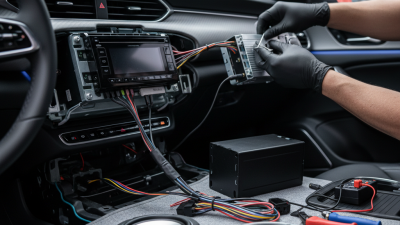
Choosing the right car audio installation service can transform an ordinary drive into a clearer, more enjoyable experience. However, quality depends on more than expensive speakers or powerful amplifiers. A skilled installer studies the vehicle’s factory wiring, cabin acoustics, dashboard layout, and electrical capacity before recommending equipment.

Professional car audio installation may include speaker replacement, amplifier fitting, subwoofer integration, sound deadening, head-unit upgrades, and system tuning. Reliable technicians explain each option in plain language. They also use proper wiring, secure mounting points, fuse protection, and careful trim removal. Small details matter. A loose connection can create noise, while poor grounding may damage equipment or reduce performance.

Experience counts.

The strongest services provide documented training, transparent pricing, written warranties, and realistic performance expectations. They should understand modern vehicles with steering-wheel controls, factory cameras, advanced safety systems, and integrated infotainment. An installer who protects these features demonstrates both technical knowledge and responsibility.

Still, no installation is completely perfect. Cabin reflections can make one seat sound brighter than another. Factory limitations may restrict bass response. Even an experienced technician might need to retune the system after several days of listening. That honest possibility matters. The best service welcomes feedback, checks the work carefully, and adjusts the system instead of promising impossible results.

This guide examines the top car audio installation services and the standards separating dependable workmanship from rushed fitting. Expect practical details, service comparisons, and questions worth asking before handing over your vehicle.
What Are the Top Car Audio Installation Services?

Define Audio Goals with CTA-2031 Mobile Electronics Performance Standards

A reliable car audio installation begins with clear listening goals. Do you want natural vocals, stronger bass, or balanced sound at moderate volume? CTA-2031 Mobile Electronics Performance Standards can help define these targets. The standard provides consistent methods for describing audio performance, including output and frequency response. It gives installers a clearer technical language.

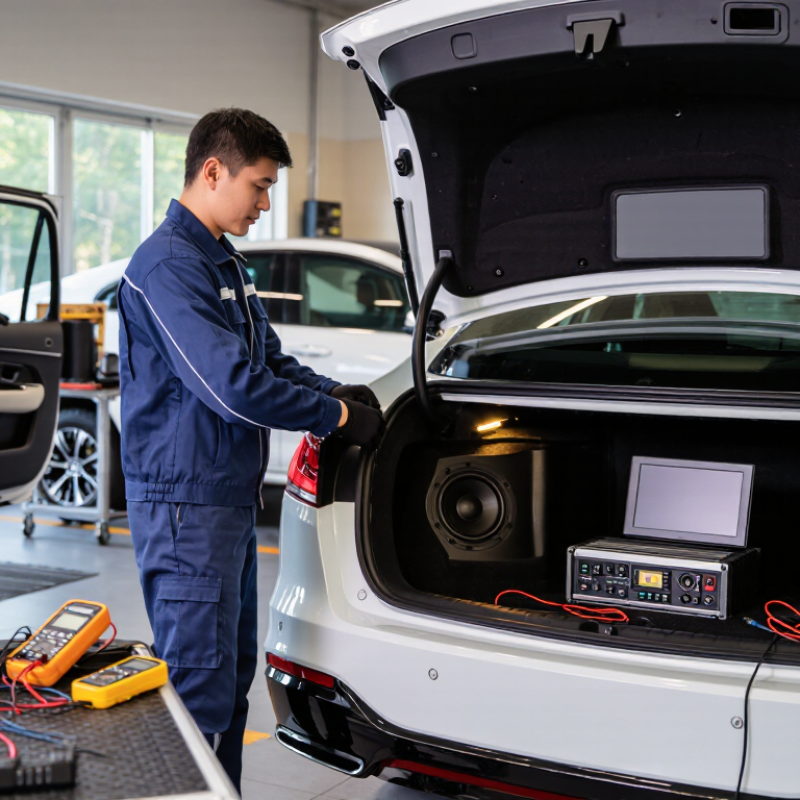
During a consultation, an experienced installer should measure the vehicle’s cabin and inspect speaker locations. Door materials, glass, seating position, and road noise all change what you hear. A technician may use test tones, calibrated microphones, and controlled volume levels. These steps help compare the system’s actual performance with the agreed goals. Numbers matter. Listening still matters more.

In my experience, customers sometimes request “maximum power” without defining useful sound. That can lead to harsh vocals or tiring bass. A perfectly flat response may not feel perfect inside every vehicle. This is where honest adjustment becomes important. The installer should explain test conditions, equipment limits, and expected changes. CTA-2031 does not replace careful tuning or real-world listening. It supports better decisions, but the cabin remains unpredictable. One small issue remains: measurements can look excellent while the driver dislikes the final balance. A short road test can reveal that quickly.

What Are the Top Car Audio Installation Services?

CTA-2031-oriented installation focuses on measurable performance rather than brand selection. The chart shows practical audio test checkpoints used across common installation services, from system design and speaker installation to amplifier setup, signal tuning, and final verification.

Assess Factory Integration Versus Aftermarket Head-Unit Upgrade Services

What Are the Top Car Audio Installation Services?

Choosing between factory integration and an aftermarket head-unit upgrade depends on the vehicle’s wiring, controls, and daily use. A qualified installer should inspect the factory amplifier, speakers, steering-wheel controls, and backup camera before recommending equipment. Factory integration usually keeps the original screen and dashboard appearance intact. It can also preserve warning chimes and vehicle settings. However, sound adjustment may remain limited.

An aftermarket head unit can provide a larger display, clearer tuning controls, and newer smartphone connectivity. It may improve usability, but installation is rarely plug-and-play. Some vehicles need interface modules, custom trim, or software configuration. A poor installation can create rattling panels, delayed controls, or battery drain. It can look impressive and still feel wrong. Experienced technicians should test every function after installation, including hands-free calls and camera switching.

Tips: Ask for a written wiring plan and a clear labor warranty. Request photos of previous installations. Confirm whether the factory amplifier and steering-wheel controls will remain active. Listen at moderate volume before accepting the vehicle. Tiny details matter.

In my experience, the cheapest quote often leaves out essential integration work. Yet the most expensive option is not automatically the best. A careful installer explains compromises instead of promising perfection. Ask how the system will be diagnosed if a warning light appears later. Factory systems are sometimes difficult to modify cleanly. That limitation deserves an honest conversation.

Select Speakers Using 4-Ohm Loads and 20 Hz–20 kHz Frequency Ratings

Choosing a car audio installation service begins with speaker matching, not flashy equipment. Ask the installer to explain the 4-ohm load in plain language. A 4-ohm speaker commonly suits amplifiers designed for that impedance, but compatibility must be checked. Lower impedance can demand more current and create excess heat. That detail matters in a tight dashboard. An experienced technician should inspect wiring, amplifier ratings, and fuse protection before installation. I once heard a system lose clarity because the amplifier was pushed beyond its comfortable range. The speakers were not the real problem.

A 20 Hz–20 kHz frequency rating covers the commonly recognized hearing range. It does not prove that a speaker produces every frequency evenly. Ask for a response graph, sensitivity rating, and continuous power rating. Listen closely. Hear clean vocals around the middle frequencies, controlled bass near 60 Hz, and smooth treble above 10 kHz. Use familiar recordings, not only a showroom demo. The cabin changes everything. Door metal, glass, seats, and road noise affect the result. A careful installer should add secure mounting, suitable seals, and vibration control where needed. Check the seals. Cheap mounting can make a capable speaker sound thin.

Good service includes tuning after the hardware is fitted. The technician should set gain conservatively, check polarity, and balance front and rear output. Request an explanation of each adjustment. I still question frequency labels when no test conditions are provided. They can look precise while hiding uneven performance. A reliable shop welcomes that question and documents the final settings. Keep the invoice and test notes. Small records prevent guesswork later.

Match Amplifiers to RMS Power and 12–14.4-Volt Vehicle Systems

What Are the Top Car Audio Installation Services?

A reliable car audio installation service begins with accurate RMS matching. RMS shows the continuous power an amplifier and speaker can handle. Peak power numbers often look impressive, but they can mislead buyers. I check the speaker’s RMS rating, impedance, and the amplifier’s output at that impedance. A practical match keeps amplifier power near the speaker’s rated RMS range. Small differences are acceptable when gain settings remain controlled.

Vehicle electrical systems usually operate between 12 and 14.4 volts. The alternator may raise voltage while the engine runs. Battery voltage can drop during heavy bass passages or idle conditions. A skilled installer measures voltage at the amplifier terminals, not only at the battery. This reveals weak grounds, undersized wiring, or excessive voltage loss. Proper fusing and secure connections matter as much as amplifier selection. They also reduce heat and intermittent shutdowns.

The best services include system testing after installation. The technician should set gain with measured signals, confirm speaker polarity, and check for distortion. Listening tests still matter. I have found that a technically correct setup can sound harsh inside a reflective cabin. That result deserves another adjustment, not an excuse. I once trusted printed power figures too quickly, and the system became louder but less controlled. Careful tuning, realistic RMS targets, and repeated voltage checks usually produce cleaner, safer performance.

Prioritize Professional Tuning with IEC 60268-5 Acoustic Measurements

What Are the Top Car Audio Installation Services?

Professional car audio installation should include measurement, not only wiring and speaker replacement. IEC 60268-5 defines important loudspeaker measurements, including frequency response, sensitivity, impedance, and distortion. In a vehicle, technicians should use these principles with calibrated microphones, pink noise, and frequency sweeps. Measurements at the driver’s seat can reveal a sharp 3 kHz peak or a weak 80 Hz region. Those details often explain harsh vocals or thin bass better than product specifications.

Deloitte’s 2024 Global Automotive Consumer Study covered consumers across 27 countries and identified technology integration as an important vehicle consideration. That expectation also affects in-car sound quality. A skilled installer should document before-and-after response curves, phase alignment, crossover points, and listening levels. The World Health Organization’s 2021 World Report on Hearing warns that over 1 billion young people may face hearing risks from unsafe recreational sound exposure. Professional tuning must therefore balance impact with controlled volume.

A perfect graph is not perfect music. Cabin reflections, seat position, and personal hearing still influence the result. In practice, I would recheck the system after road testing, because a stationary calibration can miss tire noise and dashboard reflections. This step is sometimes skipped. It should not be. Reliable service includes clear measurements, sensible gain settings, secure installation, and an honest explanation of remaining compromises.