
Disposable Vapes appeal to some adult buyers because they are compact, ready to use, and simple to carry. A sealed device can fit beside keys in a coat pocket. There is no separate liquid bottle or charging cable to manage. For someone seeking a straightforward product, fewer setup steps may feel convenient.
That convenience is only part of the story. Buyers may also notice familiar flavors, visible packaging, and easy-to-understand product choices. But popularity does not prove that a product is harmless or suitable for everyone. Nicotine can cause dependence, and people who do not use nicotine should not start. Small details matter.
A fair paraphrase of tobacco researcher Dr. Jamie Hartmann-Boyce’s evidence-focused perspective is that convenience alone cannot establish a product’s safety or public-health value. That distinction is worth keeping in view. Disposable devices also create physical waste: each unit contains components that should not simply be treated as ordinary household rubbish. Disposal options vary by location, so buyers should check local guidance.
This article explores what makes Disposable Vapes appealing, from portability to low-effort use, while considering the trade-offs behind that appeal. The answer is not identical for every buyer. Convenience is real; so are the questions it can leave unanswered.
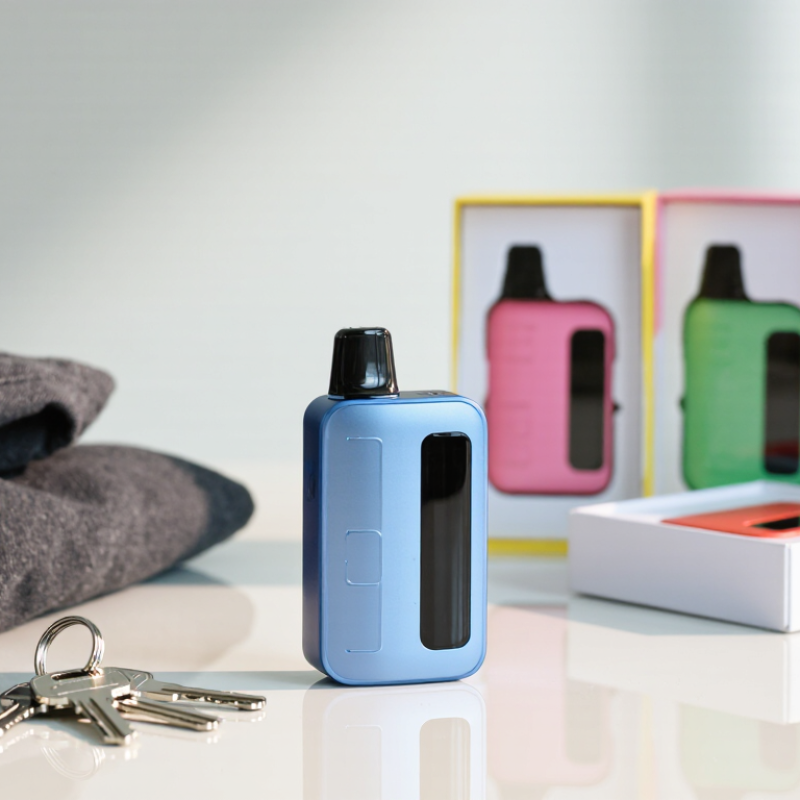
A disposable vape is a compact electronic device designed to produce an inhalable aerosol. Most contain a small battery, a liquid reservoir, a heating element, and a mouthpiece. Some activate when a user draws on the mouthpiece; others have a button. The exact design varies.
Inside the device, the battery sends power to a coil or similar heater. The heater warms the liquid, creating an aerosol that travels through the mouthpiece. It is not simply water vapor. The liquid may contain nicotine, flavorings, and other ingredients, though the contents differ between products. Read the device information carefully. Labels do not always make every detail easy to understand.
Simple, at first glance. A sealed design means there is usually no tank to fill or settings to adjust, which helps explain its convenience for some adult buyers. But “disposable” does not mean impact-free or risk-free. Aerosol can expose users to substances that may affect health, and batteries require careful disposal. Do not open, puncture, or heat a device; damaged batteries can pose a fire risk. It is also easy to assume all devices work alike. They do not, so claims about ingredients or performance should be checked against reliable product information.

Disposable vapes appeal to some adult buyers because they are ready to use, with no separate liquid bottle or charging routine to manage. Someone might find that convenient during a commute or while traveling. No menus. No learning curve. Their compact shape can fit easily into a pocket, and there is no refilling step. For people unfamiliar with more complex devices, fewer controls may feel less intimidating.
That simplicity has limits. A sealed device offers little control over its settings, and its battery may run out before its contents are depleted. Convenience can hide important trade-offs. Nicotine can cause dependence, and vaping is not risk-free; people who do not use nicotine should not start. Products vary, so buyers should check ingredient and safety information rather than assume they are all alike. I’m not sure convenience always means a better experience: a device that needs no setup may also encourage casual, unplanned use. Disposal matters, too, because batteries and electronics should be taken to suitable collection points where available.
| Factor | What Buyers May Find Convenient | Important Context |
|---|---|---|
| Ready-to-use format | Many disposable devices come prefilled and require little or no setup before use. | They still contain an inhalable aerosol, and many contain nicotine, which is addictive. |
| No separate liquid bottle | The e-liquid is contained within the device, so users do not need to refill a tank. | Once the liquid runs out, the device is generally intended to be discarded rather than refilled. |
| Portable design | Compact devices can be easy to carry and store. | Portability does not remove age restrictions or rules on where vaping is permitted. |
| Fewer separate components | A single integrated device can mean fewer parts to assemble or maintain than some reusable systems. | Some models may still require charging, and product features vary by device and market. |
| Simple replacement | When a device is depleted or stops working, buyers may find replacing the whole unit straightforward. | Replacing rather than reusing a device can create more waste and increase long-term costs. |
| Flavor options | A range of flavor choices may appeal to some adult buyers. | Flavor availability and sales are subject to local laws; appealing flavors do not make vaping risk-free. |
| Low maintenance | There is typically no coil installation or routine tank cleaning for the user. | Convenience should be weighed against nicotine dependence, health risks, and safe disposal needs. |
| End-of-life disposal | Users do not need to manage a refillable tank after the device is depleted. | Disposable vapes contain batteries and electronic components; they should not be treated as ordinary litter. Follow local e-waste and battery disposal guidance. |
Note: Features vary by product and jurisdiction. Vaping is not risk-free, and nicotine products are not intended for children, young people, or people who do not use tobacco or nicotine.
Flavor variety gives disposable vapes a strong sensory identity. A fruit-like aroma, a cool finish, or a sweet note can make one product feel distinct from another. The CDC’s 2024 National Youth Tobacco Survey found that 87.6% of young people who currently used e-cigarettes reported using flavored products; fruit was the most common flavor category, at 62.8%. This is a youth survey, not a measure of all adult buyers, so it should not be treated as a general market estimate. Still, it shows how prominently flavor features in reported use. Small details matter.
Product design also shapes the experience. Many disposable devices are compact, require little setup, and have no separate tank to refill. Their smooth casing, bright colors, and rounded edges can make them feel more like everyday gadgets than technical equipment. That simple form can be convenient, but convenience is not the whole story. In the same CDC survey, disposables were the most commonly reported device type among current youth users, at 55.6%. The figure describes use, not why people chose a device. Design may be one factor, alongside price and availability. A less visible trade-off is waste: a device that combines battery and electronics is harder to sort than an empty container. That detail deserves more attention.
Why Are Disposable Vapes Popular With Buyers?
Price, Availability, and Purchasing Habits
Disposable vapes can seem affordable because the upfront price is often lower than buying a reusable device and separate supplies. They are also simple to use: buyers do not need to charge a device or replace parts. Many shops display them near checkout, making them easy to notice. Convenience matters. But a low starting price does not show the full cost. Repeated purchases can add up, and product quality may vary. Nicotine can be addictive, so these products are not risk-free.
Tips: Compare the total cost over time, not just the shelf price. Check product information and local age requirements before buying. Keep devices away from children, and follow proper disposal guidance.
Purchasing habits often reflect routine: someone may choose the same type because it is familiar and readily available. A small shop nearby can shape choices as much as price does. Still, availability is not proof of quality or safety. Buyers may also underestimate how quickly convenience becomes a repeated expense. That is worth reconsidering. For people who do not already use nicotine, starting is best avoided.
A shift in U.S. retail sales shows the growing share of disposable e-cigarettes compared with prefilled pod or cartridge products.
Disposable products’ share of tracked e-cigarette unit sales rose from 24.7% in 2019 to 51.8% in 2022, while prefilled pod or cartridge products’ share fell from 75.2% to 40.7%. This reflects a change in retail purchasing patterns; the sales data do not establish that price or availability caused the shift.
Source: CDC, “E-Cigarette Unit Sales, United States, 2019–2022,” MMWR. Shares are percentages of tracked unit sales.
Disposable vapes appeal to some buyers because they are compact, ready to use, and require little setup. Their small size fits easily in a pocket, while bright packaging and varied flavors make products easy to notice in stores. Convenience is a real draw. Yet simple handling can also make frequent use feel less deliberate.
Social habits shape demand, too. A person may see peers using a device during a break and view it as familiar or socially accepted. Online images and retail displays can reinforce that impression, although visibility does not prove that a product is safe or suitable. Some buyers also perceive disposable products as an inexpensive way to try vaping. That calculation can overlook repeated purchases and the cost over time.
Market design adds another layer. Lightweight formats, ready-to-use presentation, and a wide choice of styles reduce friction at the point of purchase. These features help explain popularity, but they deserve scrutiny, especially when youthful-looking packaging or sweet flavors may attract younger audiences. Nicotine can cause dependence, and discarded devices add electronic waste. The convenience is obvious; its trade-offs are easier to miss.

| Sunday | CLOSED | |
| Monday | 9AM-12PM | 1PM-6PM |
| Tuesday | 9AM-12PM | 1PM-6PM |
| Wednesday | 9AM-12PM | 1PM-6PM |
| Thursday | CLOSED | |
| Friday | 9AM-12PM | 1PM-6PM |
| Saturday | 10AM-12PM | 1PM-6PM |
Please note that we are closed for lunch from 12PM-1PM daily.