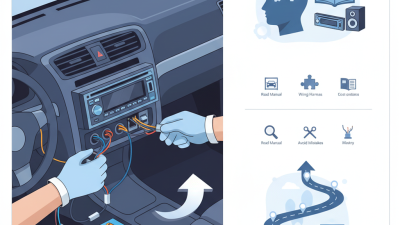
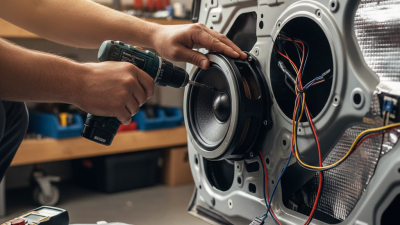
What is Car Electronics and How Does It Impact Your Vehicle?
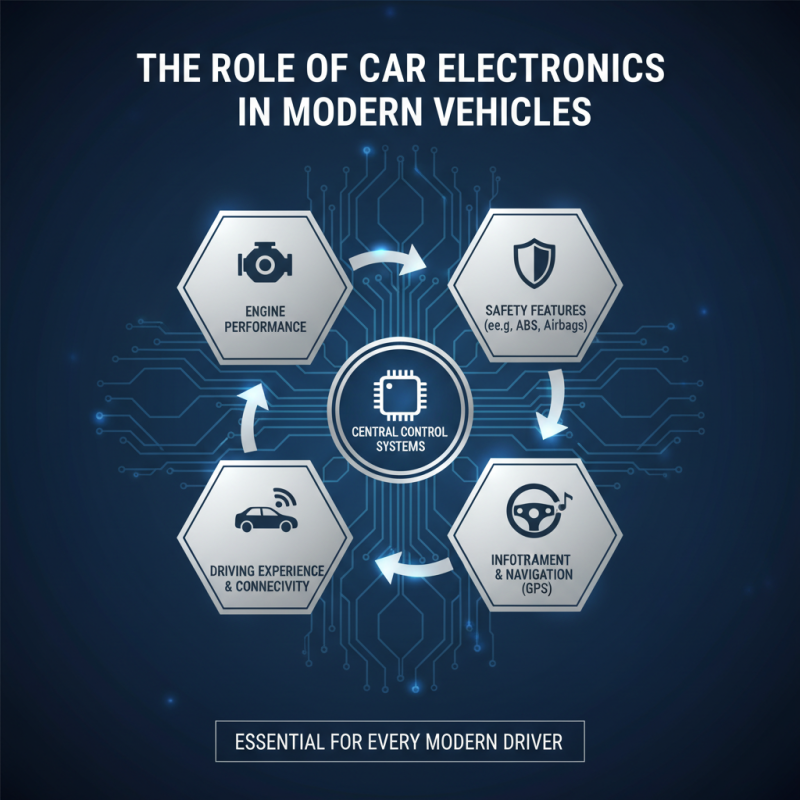
Car electronics play a crucial role in modern vehicles, encompassing systems that enhance safety, communication, and entertainment. According to John Stevens, a leading expert in automotive technology, "Car electronics shape the driving experience in ways we often overlook." This statement captures the essence of how these technologies influence our daily commutes and long journeys.
Today's vehicles are equipped with advanced car electronics. Features like GPS navigation, Bluetooth connectivity, and adaptive cruise control are just a few examples. These systems often improve convenience and vehicle performance. However, the rapid evolution of car electronics can present challenges. Users may struggle to adapt to new interfaces or face compatibility issues with older systems.
While technology brings benefits, reliance on car electronics can also lead to potential oversights. Drivers may become too dependent on systems, impacting their attention on the road. As we embrace these innovations, it is essential to maintain a balance. Reflecting on our relationship with car electronics may help ensure safety and enhance our driving experiences.
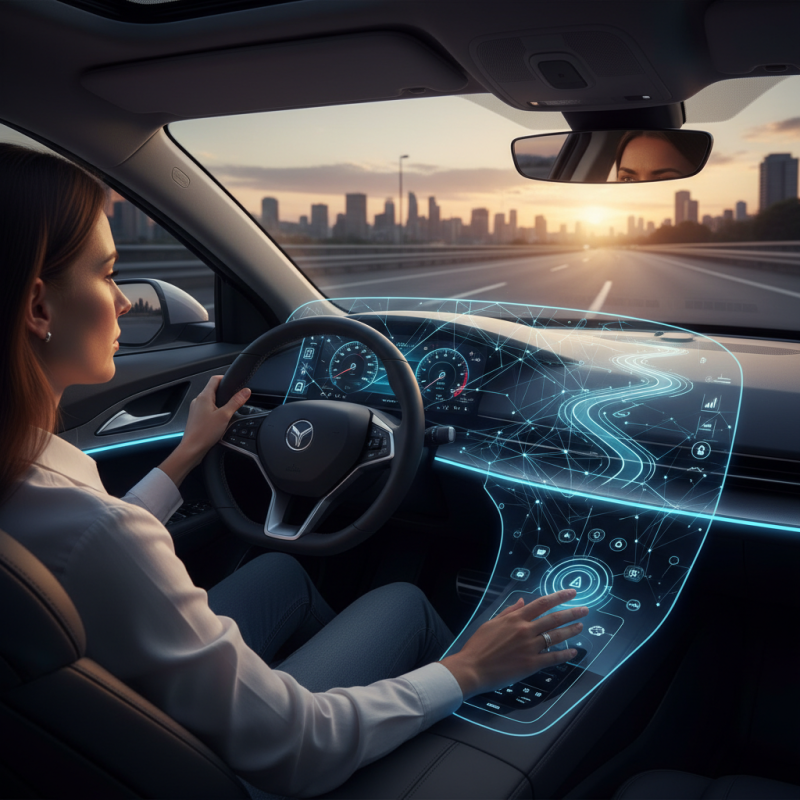
Understanding Car Electronics: Definition and Components
Car electronics refer to the range of electrical components that enhance a vehicle's functionality. These systems include audio units, navigation systems, and safety features. Understanding these components requires some knowledge of how they interact. For example, the audio system not only plays music but also interfaces with your phone for hands-free calls.
In modern vehicles, sensors and processors are critical. They allow for advanced features such as adaptive cruise control and automatic braking. However, this complexity can lead to potential issues. A malfunction in one system may affect others. For instance, a problem in the battery can disrupt the entire electronic system. Regular checks are vital to ensure reliability. In some cases, drivers might overlook the importance of maintaining their car electronics. This oversight can lead to expensive repairs down the line.
It's essential to acknowledge the learning curve involved in understanding car electronics. Not all drivers feel confident navigating these systems. Many struggle with setting up new features or understanding warnings. Gaining familiarity with your car's electronic systems can significantly impact your driving experience. It's worth dedicating time to learn how to use these features effectively.
How Car Electronics Enhance Driver Safety and Comfort
Car electronics play a crucial role in modern vehicles. They enhance driver safety and comfort through various systems. For instance, advanced driver-assistance systems (ADAS) use sensors and cameras to monitor surroundings. These systems can alert drivers to potential collisions or help with parking. Such features reduce the chances of accidents and make driving easier.
Tips: Ensure that sensors and cameras are clean. Dirt or obstructions can interfere with their function. Regular maintenance of these systems is key to their reliability.
Comfort is another significant benefit. Car electronics allow for personalized settings. Temperature, seat adjustments, and entertainment options can be tailored to fit individual preferences. This customization creates a more enjoyable driving experience. However, relying solely on electronics may lead to distractions.
Tips: Always stay focused on the road. Set preferences before starting your journey to minimize distractions. Consider using voice commands to keep your hands on the wheel.
Incorporating these technologies can improve safety and comfort. However, it is essential to balance technological reliance with attentive driving habits. This awareness can create a safer and more pleasant environment on the road.
Impact of Car Electronics on Driver Safety and Comfort
This chart illustrates the impact level of various car electronics on driver safety and comfort. Advanced Driver Assistance Systems (ADAS) are deemed the most effective, enhancing safety significantly, while features like Surround-View Cameras provide moderate comfort benefits.
Impact of Car Electronics on Vehicle Performance and Efficiency
Car electronics have transformed vehicle performance and efficiency in remarkable ways. Modern cars rely on various electronic systems to enhance driving experiences. These systems manage engine performance, fuel consumption, and even safety features. The integration of electronics allows for smoother operations and improved responsiveness.
As technology advances, understanding these systems becomes crucial. Sensor technology, for example, plays a key role in optimizing fuel efficiency. Proper calibration ensures that the engine runs efficiently, minimizing waste. This can lead to significant savings over time.
**Tips:** Regularly check your vehicle’s software updates. Keeping electronics updated can enhance performance. Monitor your vehicle's diagnostics, as early detection of issues can prevent costly repairs. Invest in professional inspections to assess your car's electronic systems. Ignoring minor problems can lead to bigger challenges down the road.
What is Car Electronics and How Does It Impact Your Vehicle?
| Aspect |
Description |
Impact on Vehicle |
| Engine Control Unit (ECU) |
Manages engine operations for optimal performance |
Improves fuel efficiency and reduces emissions |
| Infotainment System |
Provides entertainment, navigation, and connectivity |
Enhances driver experience and safety through hands-free functionality |
| Advanced Driver-Assistance Systems (ADAS) |
Includes features like adaptive cruise control and lane-keeping assist |
Increases safety and reduces accident risks |
| Battery Management System |
Optimizes charging and discharging of the vehicle's battery |
Extends battery life and improves electric vehicle range |
| Tire Pressure Monitoring System (TPMS) |
Monitors tire pressure to ensure optimal performance |
Enhances fuel efficiency and extends tire life |
Future Trends in Car Electronics and Vehicle Technology
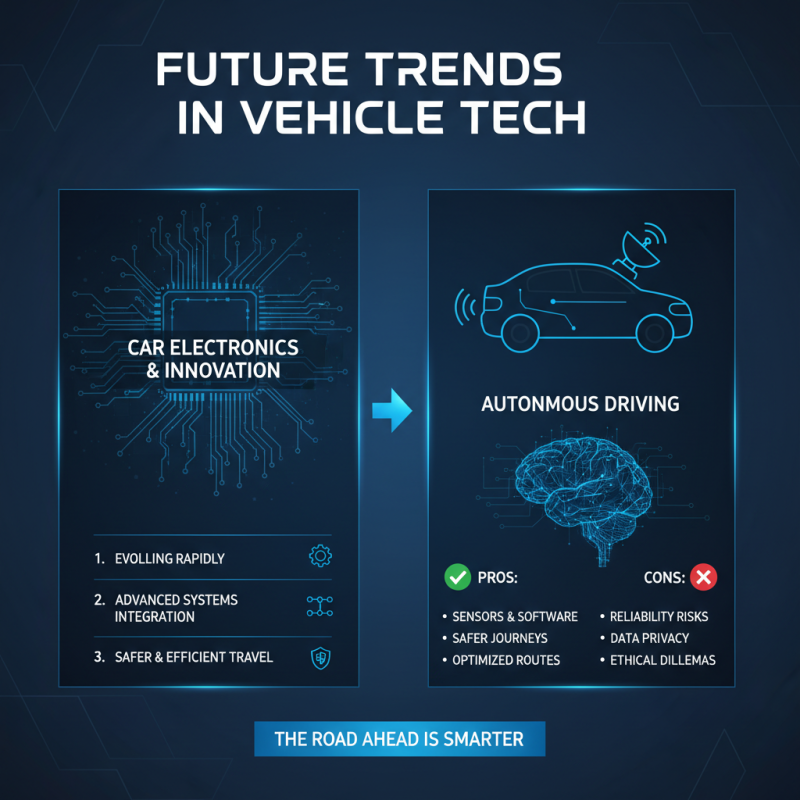
The future of car electronics is rapidly evolving. Innovations are driving the integration of advanced technologies into vehicles. Consider autonomous driving systems. These systems rely heavily on sensors and software. They promise safer and more efficient travel. However, they also raise concerns about reliability and data privacy.
Connectivity is another key trend. Vehicles are becoming hubs of communication. With vehicle-to-everything (V2X) technology, cars can interact with traffic signals, other vehicles, and even pedestrians. This could reduce accidents and enhance traffic flow. Yet, the implementation of such systems needs careful oversight to ensure security.
Electric vehicle (EV) technology is also on the rise. Charging infrastructure is expanding. Battery technology is becoming more efficient. However, challenges remain. Range anxiety is still a concern for many drivers. Manufacturers need to address these issues to gain consumer trust. Balancing innovation with user experience and safety will be critical as we move forward.