
China Top 10 Car Music System Manufacturers?
China’s automotive audio industry is moving from basic radio units toward connected, software-defined cabin experiences. The car music system now combines amplifiers, speakers, microphones, displays, Bluetooth, voice control, and vehicle networking. This shift makes manufacturer selection more complex than comparing speaker counts.
China’s scale explains the growing supplier base. The China Association of Automobile Manufacturers reported approximately 31.28 million vehicles produced in 2024. New-energy vehicle sales reached about 12.87 million units, representing roughly 40.9% of total sales. These figures indicate strong demand for integrated audio and cockpit technologies. OICA also recorded more than 93 million vehicles produced worldwide in 2023, confirming China’s importance within the global supply chain.
Market research reports provide useful context, although their estimates differ. Fortune Business Insights and Grand View Research both forecast continued expansion in automotive audio, supported by connected vehicles, premium interiors, and electric-car adoption. Their methodologies are not identical. Therefore, this ranking should not be treated as an absolute industry verdict. It evaluates visible manufacturing capability, product coverage, engineering experience, OEM cooperation, quality control, and export readiness.
The selected companies may include established audio specialists and broader intelligent-cockpit suppliers. Some offer speakers and amplifiers, while others develop complete digital cockpit platforms. Factory evidence matters. So do testing standards, acoustic tuning, software updates, and after-sales support. A polished dashboard can still hide inconsistent sound performance. Buyers should verify current certifications, production capacity, reference projects, and regional compliance before making decisions. This article provides a practical starting point, not a substitute for technical due diligence.
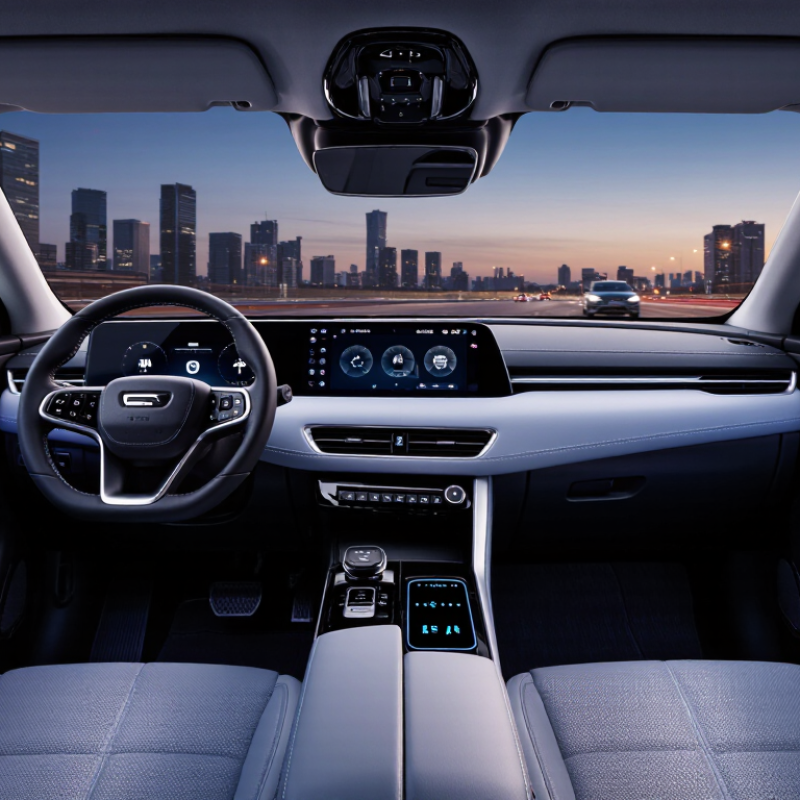
Definition and Role of Car Music System Manufacturers
Car music system manufacturers design and produce the equipment that shapes sound inside a vehicle. Their work covers amplifiers, speakers, digital signal processors, wiring, control interfaces, and software integration. They also test these parts under heat, vibration, dust, and changing electrical conditions. A reliable manufacturer does more than assemble components. It studies cabin acoustics, dashboard space, power limits, and user controls before final production.
Manufacturers also support vehicle makers, installers, and drivers through technical documentation and quality testing. Good documentation explains wiring routes, impedance, power ratings, and safe installation procedures. In real projects, engineers may adjust speaker placement after hearing uneven bass near the rear seats. A system can measure well in a laboratory yet sound weak on rough roads. That difference matters. I have found that practical listening tests often reveal problems that specifications miss. Still, personal preference can influence every judgment, so repeatable testing remains necessary. Some designs may also prioritize compact size over maximum volume, which is not always obvious.
Tips: Check installation guidance, warranty terms, test methods, and replacement support before choosing a manufacturer. Ask how products handle temperature changes and vibration. Listen from different seats. Small details matter. A credible supplier should answer technical questions clearly and provide consistent product information. Do not judge quality from loudness alone. Balanced vocals, controlled bass, low distortion, and simple operation usually create a better daily experience. Manufacturers should keep improving, because vehicle interiors and digital functions continue to change.
China Top 10 Car Music System Manufacturers? - Definition and Role of Car Music System Manufacturers
The table below summarizes the ten main manufacturer categories involved in China’s car music system supply chain. It focuses on manufacturing roles, product scope, technical standards, and typical deliverables rather than company or brand names.
| No. | Manufacturer Category | Primary Role | Main Products | Common Technical Scope | Typical Deliverables | Quality and Compliance Focus |
|---|---|---|---|---|---|---|
| 1 | Complete Infotainment System Integrators | Combine audio, radio, navigation, connectivity, display, and vehicle-control functions into one automotive platform. | Integrated head units, digital cockpits, multimedia consoles, and connected infotainment systems. | AM/FM, DAB or DAB+, Bluetooth, USB, smartphone projection, CAN or Ethernet connectivity. | Hardware, embedded software, vehicle integration, user interface, and production support. | Automotive functional safety, electromagnetic compatibility, cybersecurity, and environmental testing. |
| 2 | Head Unit ODM Manufacturers | Design and manufacture standardized or customized electronic head units for vehicle programs and aftermarket applications. | Single-DIN and double-DIN receivers, touchscreen head units, and vehicle-specific consoles. | Embedded Linux or Android-based platforms, capacitive displays, digital radio, Bluetooth, and USB audio. | Reference designs, customized enclosures, firmware, wiring interfaces, and mass-production units. | Incoming inspection, automated testing, burn-in testing, traceability, and production consistency. |
| 3 | Automotive Amplifier Manufacturers | Increase audio output power and control the signal delivered to vehicle loudspeakers. | Class-D amplifiers, multi-channel amplifiers, compact boosters, and integrated amplifier modules. | Multi-channel output, low standby consumption, thermal protection, short-circuit protection, and DSP integration. | Amplifier hardware, heat-management solutions, calibration files, and vehicle-specific audio tuning. | Thermal cycling, vibration, humidity, electrical transient, acoustic distortion, and EMC testing. |
| 4 | Automotive Speaker Manufacturers | Convert electrical audio signals into sound and optimize acoustic performance inside the vehicle cabin. | Full-range speakers, woofers, tweeters, midrange speakers, subwoofers, and soundbar modules. | Paper, polymer, or composite cones; neodymium or ferrite magnets; impedance options; and vehicle-specific mounting. | Speaker assemblies, grilles, brackets, acoustic seals, and frequency-response specifications. | Power handling, sensitivity, frequency response, durability, water resistance, and end-of-line testing. |
| 5 | Digital Signal Processor Manufacturers | Process and improve audio signals through equalization, filtering, delay control, and acoustic correction. | Automotive DSP chips, audio processors, software libraries, and programmable processing modules. | Parametric equalization, crossover networks, time alignment, loudness control, mixing, and active noise management. | Semiconductors, evaluation boards, software tools, algorithms, and calibration support. | Signal-to-noise ratio, total harmonic distortion, latency, software reliability, and electromagnetic compatibility. |
| 6 | Connectivity and Radio Module Manufacturers | Provide wireless, broadcast, and wired communication functions for vehicle audio systems. | Bluetooth modules, Wi-Fi modules, AM/FM tuners, digital radio modules, GNSS units, and USB interfaces. | Bluetooth audio and calling, Wi-Fi connectivity, digital broadcasting, antenna diversity, and firmware control. | Certified modules, reference software, antennas, drivers, and integration documentation. | Radio performance, wireless coexistence, regional frequency compliance, cybersecurity, and regulatory certification. |
| 7 | Display and Audio Interface Manufacturers | Develop the visual and physical interfaces used to control music, calls, radio, and vehicle settings. | Touchscreen panels, control panels, rotary controllers, capacitive buttons, and integrated display modules. | LCD or OLED displays, touch sensing, haptic feedback, ambient-light control, and human-machine interfaces. | Display assemblies, control boards, bezels, user-interface software, and mechanical integration parts. | Optical clarity, touch accuracy, viewing angle, temperature resistance, vibration resistance, and surface durability. |
| 8 | Vehicle Acoustic Tuning Manufacturers | Adapt the audio system to the cabin geometry, seating positions, materials, and noise characteristics of a vehicle. | Acoustic calibration services, tuning software, measurement systems, and cabin sound packages. | Frequency balancing, soundstage positioning, equalization, time alignment, and road-noise compensation. | Measurement data, tuning parameters, acoustic reports, validation results, and production calibration files. | Objective acoustic measurements, subjective listening tests, repeatability, and performance across cabin conditions. |
| 9 | Aftermarket Car Audio Manufacturers | Offer replacement and upgrade systems for vehicles whose original audio equipment needs new functions or improved performance. | Replacement receivers, external amplifiers, subwoofers, speaker kits, adapters, and installation accessories. | Vehicle compatibility, touchscreen control, Bluetooth, USB playback, camera support, and steering-wheel interfaces. | Retail products, installation harnesses, mounting kits, user manuals, and technical support. | Compatibility verification, product safety, electrical protection, software updates, and installation reliability. |
| 10 | Testing, Validation, and Contract Manufacturing Partners | Support prototype development, testing, assembly, inspection, and production transfer for automotive audio products. | Prototype assemblies, printed circuit boards, cable harnesses, test fixtures, and contract-manufactured systems. | Surface-mount assembly, automated optical inspection, functional testing, firmware loading, and traceability systems. | Engineering samples, pilot batches, inspection records, process documentation, and volume production services. | Automotive quality management, process capability, failure analysis, change control, and production traceability. |
Related Posts
-
How to Choose the Best Car Audio System?
-

How to Choose the Best Car Audio System Supplier?
-

What is Car Audio and How Does It Improve Your Driving Experience
-

10 Car Audio Buying Tips for Global Buyers
-
Why Choose the Best Car Audio System for Your Vehicle?
-
Transform Your Ride: The Ultimate Guide to Choosing the Best Car Multimedia Player in 2023