
How to Choose the Best Car Audio System for Your Car?
Choosing the best car audio system is not simply a matter of buying the loudest speakers. Your car’s cabin, dashboard layout, factory wiring, and listening habits all influence the right decision. A compact hatchback may need controlled bass, while a larger SUV can support a more powerful setup. The goal is balance.
Start with your daily experience. Do you mainly stream music, listen to podcasts, or play high-resolution files? Check the head unit’s compatibility, amplifier output, speaker sensitivity, and subwoofer requirements. These specifications matter, but they can feel confusing without practical context. A trusted installer can measure available space, inspect wiring, and recommend equipment that fits safely. Do not ignore installation quality. Even excellent components can sound weak when positioned poorly or connected incorrectly.
Listen before buying, whenever possible. Compare vocals, cymbals, and bass at moderate volume inside a similar vehicle. Clear sound should remain detailed, not harsh, when the road becomes noisy. Factory systems are not always inferior. Sometimes, replacing only the front speakers creates a better improvement than adding a large subwoofer. That judgment is easy to miss.
Reliable brands, transparent warranties, and documented technical specifications offer stronger confidence than dramatic advertising claims. Professional installation also helps protect the vehicle’s electrical system and preserve everyday usability. Still, no system is perfect for every driver. Your budget may force compromises, and personal taste can challenge expert advice. A thoughtful car audio upgrade should therefore match your vehicle, music, and expectations—not someone else’s showroom demo.
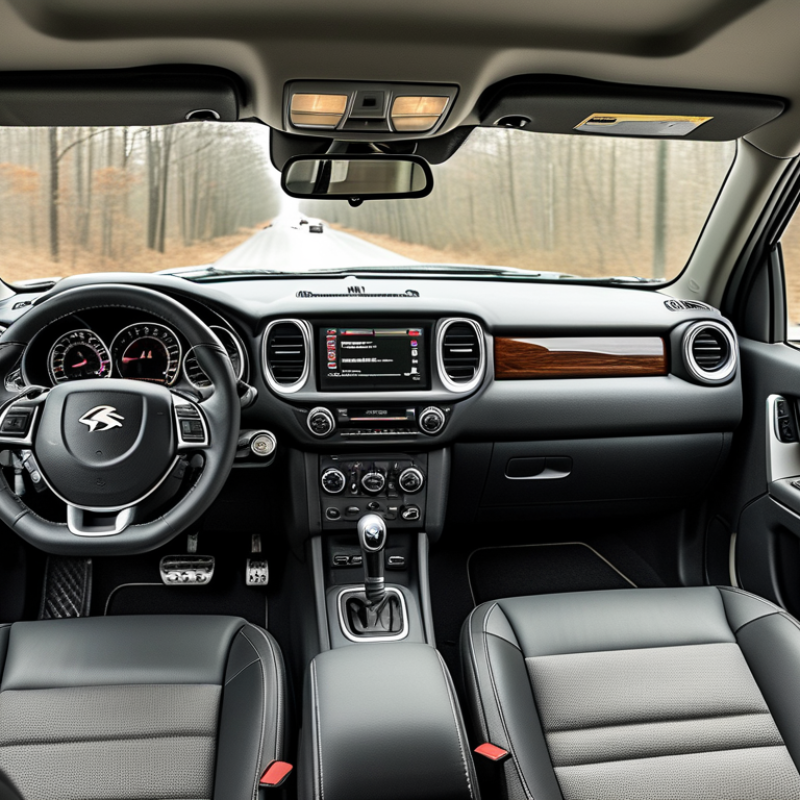
Assess Your Car Audio Needs and Listening Preferences
Assess your daily listening before choosing a car audio system. Start with the cabin. A compact car needs less power than a large SUV. Measure available speaker spaces, dashboard openings, and amplifier clearance. Check whether your current system already has factory integration, steering-wheel controls, or parking alerts. Replacing everything may create unnecessary cost and compatibility problems.
Your listening habits matter more than impressive specifications. Edison Research’s 2024 Infinite Dial reports that 73% of Americans aged 12 and older listen to online audio weekly. If you stream podcasts during short commutes, prioritize clear vocals and simple phone connectivity. If you listen to dense music with strong bass, consider better speakers, controlled amplification, and sound deadening. IFPI’s Engaging with Music 2023 report found that people worldwide spend an average of 20.7 hours weekly with music. Longer listening makes comfort and balanced tuning more important.
Test the system from the driver’s seat. Use familiar recordings, not only showroom demonstrations. Listen for harsh treble, muddy vocals, and bass that vibrates the door panel. A louder system is not automatically better. I once focused too heavily on bass and missed fatigue in the upper frequencies. That was a poor judgment. Ask whether passengers need independent volume control, and whether you prefer physical buttons over a touchscreen. A professional installer can verify wiring, impedance, and safe mounting before purchase.
How to Choose the Best Car Audio System for Your Car? - Assess Your Car Audio Needs and Listening Preferences
| Listening Need or Vehicle Factor | Typical Requirement | Recommended System Characteristics | Suggested Configuration | Key Selection Considerations |
|---|---|---|---|---|
| Casual daily listening | Clear sound for commuting, news, podcasts, and general music | Balanced frequency response, simple controls, reliable smartphone connectivity | Single head unit with factory or upgraded full-range speakers | Prioritize usability, hands-free calling, voice control, and easy installation |
| Vocal and acoustic music | Natural vocals, accurate instruments, and wide stereo imaging | Low distortion, smooth midrange, separate tweeters, and basic sound adjustment | Component front speakers, rear fill speakers, and a moderate-power amplifier | Speaker placement, crossover quality, and door damping can affect clarity significantly |
| Rock, pop, and electronic music | Energetic dynamics, defined vocals, strong mid-bass, and controlled treble | Efficient speakers, clean amplifier power, adjustable equalization, and solid mid-bass response | Component front speakers, coaxial rear speakers, and an optional compact subwoofer | Match amplifier output to speaker ratings and avoid excessive equalizer boost |
| Bass-focused listening | Deep, powerful low frequencies without rattling or muddy vocals | Dedicated subwoofer, suitable enclosure, low-pass filtering, and sufficient amplifier headroom | Front speaker upgrade plus a compact powered subwoofer or separate subwoofer amplifier | Check available cargo space, electrical capacity, enclosure size, and vibration control |
| High-volume listening | Consistent output with minimal distortion during extended playback | Speakers with appropriate continuous power handling, efficient cooling, and an amplifier with clean headroom | Four upgraded speakers with a multi-channel amplifier and optional subwoofer | Use continuous power ratings rather than maximum or peak figures when comparing equipment |
| Factory system with integrated controls | Better sound while retaining steering-wheel controls, displays, and vehicle functions | Signal-compatible upgrades, vehicle integration adapters, and an auxiliary amplifier if needed | Factory head unit retained with upgraded speakers, processor, or line-output interface | Verify compatibility with factory equalization, warning tones, backup cameras, and system security features |
| Limited dashboard space | Improved functionality without major dashboard modification | Compact single-DIN equipment, shallow amplifiers, or powered speakers | Compact head unit and under-seat powered subwoofer where space allows | Measure mounting depth, dashboard opening, wiring access, and heat clearance before purchase |
| Large cabin or SUV | Even sound coverage across multiple seating rows | Higher system efficiency, appropriate rear fill, separate zones if required, and controlled low-frequency output | Front component speakers, rear coaxial speakers, multi-channel amplifier, and a protected subwoofer | Consider cabin size, speaker sensitivity, amplifier channels, and cargo-area protection |
| Quiet compact car | Detailed sound at moderate volume without overwhelming bass | Efficient speakers, moderate amplifier power, and carefully tuned low frequencies | Two-way front speakers, rear fill if necessary, and a small powered subwoofer | Avoid excessive output; cabin acoustics can make bass sound stronger than expected |
| Streaming and smartphone use | Convenient access to digital music, navigation, calls, and voice assistants | Bluetooth audio, wired smartphone projection, USB charging, and a responsive interface | Compatible multimedia head unit with microphone and USB connection | Check phone compatibility, connection stability, screen visibility, and hands-free microphone quality |
| Entry-level budget | Noticeable improvement with minimal parts and installation costs | Efficient replacement speakers or a basic head unit with reliable connectivity | Upgrade the weakest component first, usually the front speakers or outdated head unit | Set aside funds for wiring adapters, mounting hardware, installation, and sound deadening |
| Mid-range upgrade | More detail, stronger dynamics, and improved bass integration | Component front speakers, dedicated amplification, and an optional subwoofer | Front-stage upgrade with multi-channel amplification and compact bass support | Plan the system as a complete package so power, impedance, wiring, and tuning remain compatible |
| Premium sound quality | Accurate imaging, low noise, smooth tonal balance, and precise bass | High-quality components, digital signal processing, time alignment, and professional tuning | Fully matched front stage, multi-channel amplification, subwoofer, processor, and acoustic treatment | Installation quality and calibration often influence the final result as much as component selection |
Related Posts
-

2026 Top Car Audio Systems for Global Buyers?
-
How to Choose the Best Car Audio System Supplier?
-
How to Choose the Best Auto Audio System for Your Vehicle?
-
How to Choose the Perfect Car Speaker: Insights from 2023 Audio Technology Trends
-
2026 Best Auto Audio Systems for Ultimate Sound Experience?
-

Driving Innovation in Car Stereo Installation Trends at the 138th Canton Fair 2025