Top 10 Apple Car Stereo Types Buyers Should Know

Choosing an apple car stereo involves more than matching a screen to your dashboard. Buyers should compare receiver types, vehicle compatibility, sound controls, and installation needs. A bright touchscreen may look impressive in a showroom, but glare, small buttons, or awkward placement can make daily use frustrating. Fit matters.

This guide explores ten common apple car stereo types, from simple Bluetooth receivers to large touchscreen units with smartphone integration. It highlights practical differences, including single-DIN and double-DIN formats, wired and wireless connections, and options for drivers who want clearer calls or more control over their music. Check your dashboard opening, steering-wheel controls, and device compatibility before choosing. A receiver can offer many features and still be the wrong fit.

Expert insight can help buyers weigh specifications against real-world use. However, no verified expert quotation or source was provided for this topic, so I won’t invent a named specialist or attribute a statement falsely. That matters. The most useful comparison is specific: Will the display remain readable in afternoon sunlight? Can you reach the volume control without looking away from the road? Does the unit work with your vehicle and phone? The answers can narrow the choices quickly, though product specifications should always be checked against the manufacturer’s information.
Top 10 Apple Car Stereo Types Buyers Should Know

What Apple Car Stereos Are and How They Work

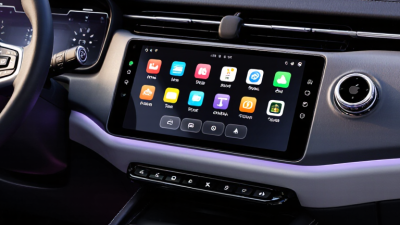
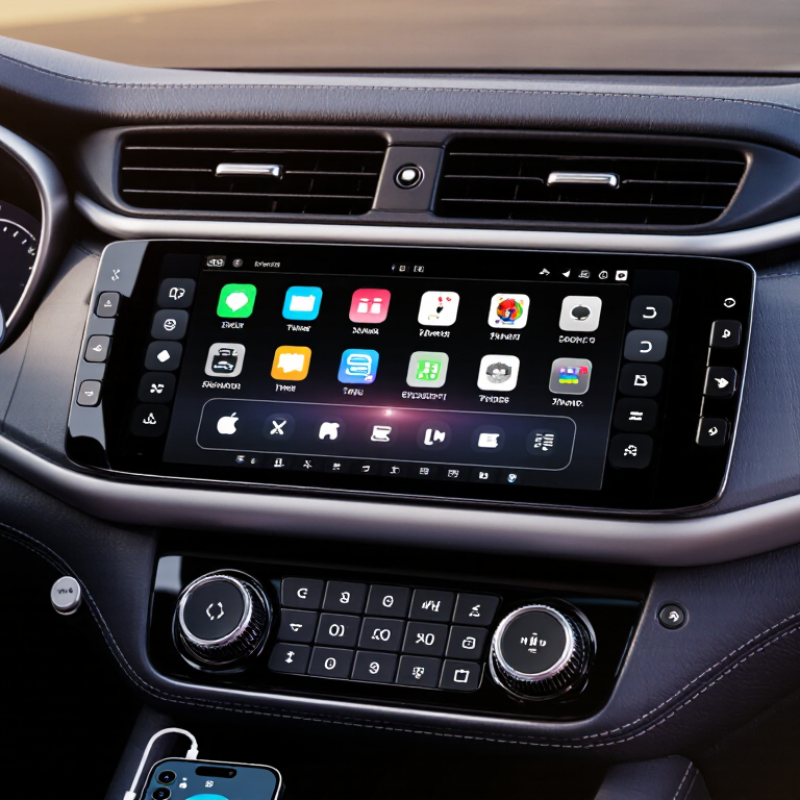
An Apple-compatible car stereo is a dashboard receiver that displays selected phone features on a larger screen. It is more than a radio, but it does not simply copy the entire phone. The receiver provides a controlled interface for navigation, calls, messages, and audio. Depending on the model, the phone connects through a USB cable or wirelessly. Wireless connections commonly use Bluetooth to establish contact and Wi-Fi to carry data. The vehicle’s microphone, speakers, touchscreen, and steering-wheel controls then help the driver interact with supported functions. A small detail matters: features vary by receiver, phone, and software version.

Setup is usually straightforward, though not always smooth. A cable can charge the phone and provide a stable connection; wireless use reduces clutter but may depend on signal quality. If pairing fails, checking permissions or restarting the connection can help. It can still be frustrating. The AAA Foundation for Traffic Safety reported in a 2017 study that drivers took an average of 24 seconds to complete certain infotainment tasks. That finding is a useful reminder: a bigger screen does not automatically make every interaction safer. Keep navigation ready before driving, use voice controls when practical, and avoid handling the phone on the road. These systems are convenient, but their interfaces are not perfect.

The Main Design and Installation Types of Apple Car Stereos

Top 10 Apple Car Stereo Types Buyers Should Know
Apple Car Stereo Design and Installation Types

Apple CarPlay stereos differ in screen shape, chassis size, and dashboard fit. Single-DIN models use a compact opening, while double-DIN units need more vertical space. A floating display can provide a larger screen above either chassis, but it may cover vents or controls. Measure the dashboard opening before choosing. A large screen is not automatically a better fit.

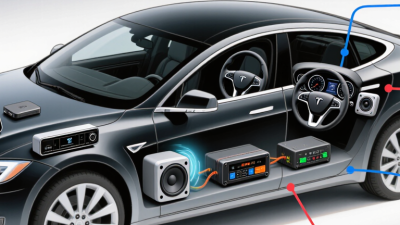
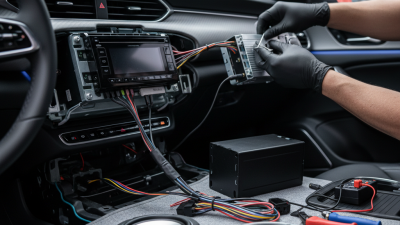
Some receivers are designed for a clean, factory-style appearance; others use a dash kit to fit a different opening. Installation may involve a wiring harness, antenna adapter, or steering-wheel control interface. The exact parts depend on the vehicle’s year and trim. Wireless connection can reduce cable clutter, though wired connection may be more consistent in some setups. Vehicle compatibility should be checked against the receiver’s installation guide, not guessed from appearance.

Tips: Photograph the dashboard and note nearby buttons, vents, and storage compartments. Ask an experienced installer to confirm fit, wiring, and retained vehicle functions before purchase. Keep the original parts, too. You may not need them, but returning to the old setup can be useful.

Ten Apple Car Stereo Types Classified by Features and Connectivity

Ten Apple Car Stereo Types Buyers Should Know

Ten Apple Car Stereo Types Classified by Features and Connectivity

Buyers can compare ten useful types: single-DIN receivers, double-DIN receivers, touchscreen systems, wired phone-mirroring units, wireless mirroring units, Bluetooth receivers, integrated-navigation systems, digital-radio receivers, high-resolution audio units, and DSP-focused systems. These categories overlap. A touchscreen model may also include navigation, wireless mirroring, and audio tuning. Labels can be imperfect, so check the actual connections and supported functions.

The broader automotive infotainment market was valued at USD 25.7 billion in 2023, with an 8.4% projected compound annual growth rate through 2030, according to Grand View Research’s Automotive Infotainment Market report. That growth reflects varied buyer needs, not a guarantee that every feature will work smoothly in every vehicle. Wired connections can be dependable but leave cables across the console. Wireless systems reduce clutter, yet may drain a phone faster or occasionally disconnect. Basic Bluetooth units suit calls and streaming, while DSP systems offer finer control over speaker balance and sound.

Tips: Check dashboard fit, steering-wheel controls, phone compatibility, and camera inputs before buying. Test the interface if possible. A long feature list is not the same as an easy daily drive.

Compatibility, CarPlay Functions, and Audio Features to Compare

Dashboard stereos come in several forms: compact single-height units, taller double-height models, floating displays, and screen-free receivers. Their shape matters as much as their features. Measure the dashboard opening and check the vehicle’s wiring before choosing. A large display can look impressive, yet block a vent or sit awkwardly above the controls. Small details matter.

Phone compatibility means more than seeing a familiar app on screen. Check whether the receiver supports wired or wireless phone projection, voice control, calls, and navigation. Wireless connection is convenient for short trips, but it can drain a phone battery. A USB cable is less elegant, though it often provides charging and a steadier connection. Test the functions you use most, such as reading directions or skipping a song, while parked.

Audio features also separate one stereo type from another. Look for a graphic equalizer, time alignment, and adjustable subwoofer output if you want to tune sound for your cabin. Built-in amplification may suit standard door speakers; upgraded speakers may benefit from dedicated outputs. Listen at moderate volume and compare voices, bass, and detail. More settings are not always better. I may be overly cautious, but confusing menus can make everyday adjustments frustrating. Check steering-wheel control support and installation requirements before buying.

Top 10 Apple Car Stereo Types Buyers Should Know: Compatibility, CarPlay Functions, and Audio Features

A practical fit check: compare the two common nominal DIN opening heights before choosing a head unit.

Single-DIN and double-DIN refer to standard mounting formats, not CarPlay capability. Nominal opening dimensions are approximately 180 × 50 mm and 180 × 100 mm, respectively; verify your vehicle’s actual fit and the stereo’s model-specific wired or wireless CarPlay support.

How to Choose the Right Apple Car Stereo for Your Vehicle

Choosing the right smartphone-compatible car stereo starts with your vehicle, not the screen. Check the dashboard opening, mounting depth, and available wiring before comparing features. A unit may look suitable online but still require a custom trim piece. Confirm that your phone connects through the method you prefer, such as a cable or wireless connection. Small details matter.

Think about how you drive. A bright touchscreen can be easier to read in daylight, while physical knobs may be safer to adjust by feel. Check whether the stereo supports your steering-wheel controls, backup camera, and preferred navigation or audio apps. An installer or vehicle-fit guide can help verify compatibility, especially in cars with factory amplifiers. It is easy to focus on screen size. That can be a mistake. Features you rarely use may not justify a difficult installation.

Tips: Measure twice. Photograph the existing dashboard and connectors before removal. Keep the vehicle’s manual nearby, and confirm any required adapters before buying. If a feature list feels confusing, pause and compare only the essentials: fit, phone connection, sound controls, and safety-related functions. A little uncertainty is normal; guessing about wiring is not.