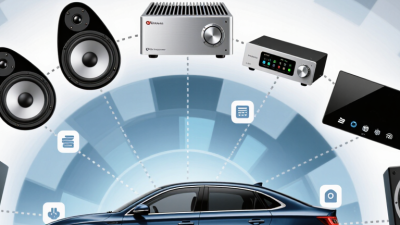
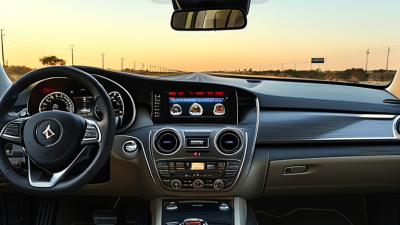
Why Choose the Best Car Audio System for Your Vehicle?
Choosing the right car audio system can change more than the volume inside your vehicle. It can make a familiar playlist feel clearer, keep spoken directions easy to hear, and reduce listening fatigue on a long drive. The difference is often noticeable in small details: crisp vocals, controlled bass, and music that remains balanced when road noise rises. But a premium price alone does not guarantee better sound.
Car-audio pioneer Jim Fosgate is known for his work in sound processing and system design. A useful summary of his systems-first approach is: “Tune the whole system, not just the loudest component.” This is a paraphrase, not a verified direct quotation. It points to an important choice: speakers, amplification, source equipment, and installation should work together. A mismatched setup may sound harsh or muddy, even with expensive parts.
This guide explores why choosing the best audio system car audio setup matters, and what to consider before upgrading. Vehicle size, cabin materials, listening habits, and budget all shape the result. A compact car may need different tuning from a large SUV. Small changes can help. Sometimes, replacing every component is unnecessary. It is also easy to overvalue specifications and overlook a poor installation. That deserves a second look. A thoughtful system should suit the driver, fit the vehicle, and deliver dependable sound at everyday listening levels.
Understanding the Components of a Car Audio System
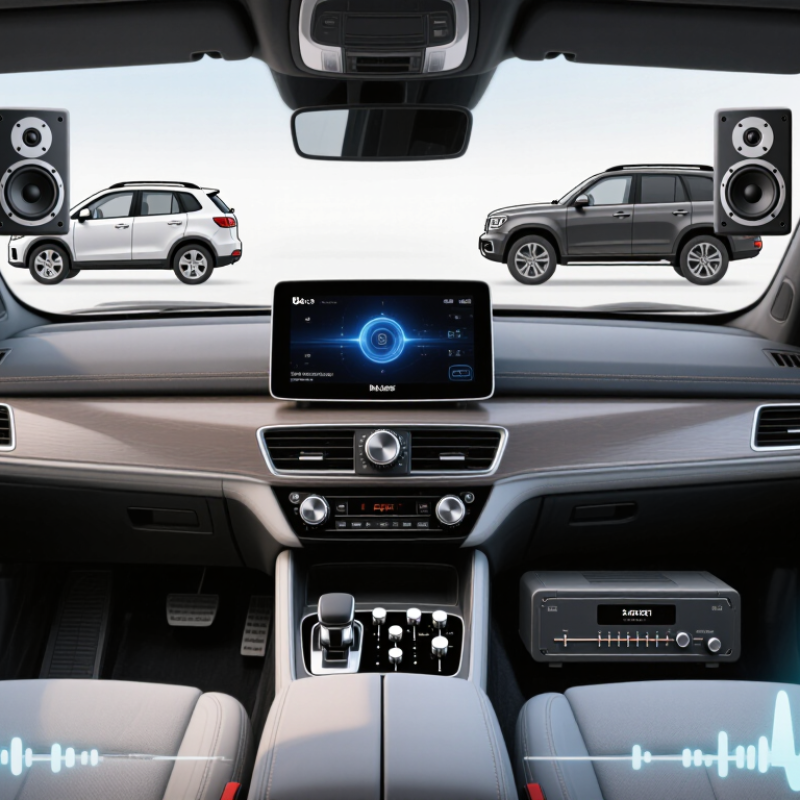
A car audio system is a group of parts working together, not just a set of speakers. The head unit is the control center. It manages audio sources, volume, and often balance and equalizer settings. Check that it supports the connections you actually use. A long menu of features means little if everyday controls are difficult to reach.
Speakers turn electrical signals into sound. Their size, placement, and condition affect clarity, especially when road noise masks quieter details. An amplifier can provide more power, but it must suit the speakers; more power is not automatically better. Wiring also matters. Poor connections may cause intermittent sound or unwanted noise, so secure routing and suitable wire are worth the care. Small details matter.
Sound-deadening material can reduce vibration in doors and panels. It will not make a car silent, though. A rattling door trim can still distract from clear music. Installation and tuning shape the final result: adjust speaker balance from the driver’s seat, then listen at a comfortable volume. It is easy to focus on specifications and overlook how the cabin sounds in daily traffic. Real listening can challenge that assumption. I would leave room for adjustment; a setting that sounds rich while parked may feel tiring on a longer drive.
Assessing Your Listening Needs and Vehicle Requirements
Assess how you listen before comparing equipment. Do you stream podcasts on a quiet commute, or play bass-heavy music on rough roads? These habits affect speaker priorities, amplifier needs, and how much sound adjustment matters. Listen from the driver’s seat with the windows closed, then notice whether road noise masks voices or bass. Keep controls simple and easy to reach. NHTSA reported 3,308 deaths in distraction-affected crashes in 2022. That figure does not link audio systems to those crashes, but it underlines why fiddly controls deserve careful thought.
Check the vehicle, not just the product specifications. S&P Global Mobility reported that the average age of U.S. light vehicles reached 12.6 years in 2024, so compatibility with older dashboards and wiring is a practical concern. Measure the dashboard opening and door-speaker spaces; confirm the factory amplifier, wiring harness, and steering-wheel controls. Also consider whether an added amplifier fits without blocking storage or generating excess heat. A spec sheet can miss the cabin’s real sound. I would test the existing system first, even if the weak point seems obvious. A loose door panel can create a rattle that a new speaker will not fix.
Comparing Sound Quality, Compatibility, and Features
Sound quality is more than loudness; it is how clearly a system handles voices, instruments, and road noise. Compare speakers at moderate volume, not only during a bass-heavy demonstration. Listen for crisp vocals, steady bass, and detail that remains clear when the car is moving. A balanced setup often sounds more natural than one with exaggerated low notes. Details matter. Bass can feel impressive in a showroom but become tiring on a long drive.
Not always.
Compatibility determines whether the system works smoothly with your vehicle. Check speaker size, available installation space, electrical requirements, and connections for existing controls. A receiver may support phone pairing but still require extra adapters to retain steering-wheel buttons. Features should solve real needs: hands-free calls, simple navigation audio, or a clear display in bright sunlight. More options are not automatically better. Compare controls in person if possible; small buttons can be frustrating while driving. Even a carefully checked specification sheet can miss a practical detail, so confirm fit and wiring needs with a qualified installer before choosing.
Evaluating Installation Options, Reliability, and Cost
A car audio system is only a good choice if it fits your vehicle, budget, and tolerance for installation work. Check the dash opening, wiring, steering-wheel controls, and factory camera connections before buying. These details can turn a simple receiver swap into a custom job. S&P Global Mobility reported that the average U.S. light vehicle reached 12.6 years old in 2024. That makes compatibility especially important for older cars, where parts and wiring may differ. Small details matter.
Compare a basic receiver replacement with a system that adds speakers, an amplifier, or a subwoofer. A plug-in installation may keep labor costs down, while professional fitting can reduce wiring errors and rattles. Ask for an itemized estimate covering parts, labor, adapters, and any trim changes. The Auto Care Association’s 2024 Factbook put the U.S. automotive aftermarket at about $391 billion in 2023; this broad figure is not a car-audio price guide, but it shows how varied the repair and upgrade market is. Reliability depends on careful installation, secure connections, and sensible volume levels. I would avoid paying for features I cannot name a real use for. I have also seen how easy it is to underestimate labor. Don’t guess.
Selecting the Best System for Your Vehicle
Selecting the best system starts with your vehicle, not a speaker’s advertised wattage.
Check the dashboard opening, factory amplifier, wiring, and speaker impedance before buying anything. A mismatch can mean extra adapters, installation costs, or disappointing sound.
Fit matters.
Think about where you drive and what you listen to. On a rough commute, clear vocals and controlled bass may be more useful than maximum volume. A compact subwoofer can add depth, but it may also take up cargo space or make doors rattle. The cabin changes what you hear, so test familiar music at a normal listening level.
A small compromise is normal.
Controls deserve attention too. The AAA Foundation for Traffic Safety’s 2017 study of in-vehicle infotainment found that some tasks could take up to 40 seconds to complete. NHTSA recorded 3,308 deaths in distraction-affected crashes in 2022. These figures do not prove that one audio system is safer, but they make simple controls worth considering. Choose steering-wheel access or straightforward presets, and adjust sound before driving.
Keep it simple.
After installation, listen for rattles and uneven sound from each seat; a professional installer can check wiring and speaker polarity if the result seems off.