10 Best Car Audio Systems for Every Budget

A better drive does not always require a premium price tag. The right car audio system can bring clearer vocals, tighter bass, and more detail to familiar songs. But choosing one involves more than comparing wattage or speaker size. Your car’s layout, factory wiring, listening habits, and upgrade budget all matter. A system that sounds impressive in one vehicle may disappoint in another.

This guide explores 10 car audio systems across a range of budgets, from practical replacements to more ambitious upgrades. It considers useful details such as speaker fit, receiver features, power handling, installation needs, and compatibility with common phones. Small things count. A bright screen can be hard to read in sunlight, while a powerful subwoofer may take up valuable cargo space. Those trade-offs deserve attention.

There is no single best setup for every driver, and that is worth saying plainly. Product specifications can help narrow the options, but they cannot predict exactly how a cabin will sound. Some recommendations may offer less dramatic performance than their price suggests; real-world expectations matter. Use this roundup as a starting point, then check your vehicle’s fitment and current product details before buying. A sensible match often beats an expensive system chosen for numbers alone.
10 Best Car Audio Systems for Every Budget

How Car Audio Systems Work and What They Include

A car audio system turns a recorded signal into sound inside a small, noisy cabin. The signal may come from a phone, radio, or stored music. A receiver controls playback and sends that signal onward. An amplifier increases its power, while speakers convert electrical energy into sound waves. Each part affects the result.

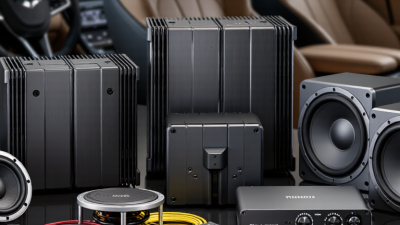
Most systems include a receiver, speakers, wiring, and sometimes a separate amplifier or subwoofer. Door speakers handle much of the music’s midrange and treble; a subwoofer adds deeper bass. Placement matters, too. A speaker aimed at a nearby window may sound different from one aimed toward the listener. Even a well-matched setup can feel uneven, and cabin materials can change how sound carries. More equipment does not automatically mean clearer sound.

Tips: Check speaker sizes and power ratings before replacing parts. Set bass and treble modestly, then listen at normal driving volume. If vocals sound harsh or bass rattles a door panel, adjust the settings or inspect the fit. Small changes can help more than adding another component.

Key Features to Compare Before Buying

A car audio system should fit your vehicle, listening habits, and budget—not just promise the loudest sound. Start by checking dashboard dimensions, wiring, and speaker compatibility. A receiver with a bright display may be difficult to read in direct sunlight, while a dim one can distract at night. Check whether its controls are easy to reach without taking your eyes off the road.

Compare useful features, not just peak power. RMS power gives a more practical sense of continuous output, but speakers and amplifiers must be matched properly. Check supported phone connections, USB inputs, and whether the system can retain steering-wheel controls. A built-in equalizer or time alignment can help balance sound, especially when speakers sit unevenly around the cabin. Still, acoustic adjustments cannot fix poorly installed speakers. Small details matter. Also compare installation costs; wiring adapters and a mounting kit can push a low-cost system beyond budget. If possible, listen to familiar music at a moderate volume before choosing.

Tips: Write down your must-have features and your total spending limit. Test the controls in person if you can. I’d also leave room for an installation surprise; estimates are not always exact.

10 Best Car Audio Systems for Every Budget - Key Features to Compare Before Buying
Illustrative system configurations using common car-audio components. Prices are approximate U.S. parts-only estimates; vehicle-specific adapters, installation, and taxes are excluded. Amplifier figures refer to continuous RMS output, not peak power.
System Approx. Parts Budget Typical Configuration Power and Bass Key Features Best For Trade-Off to Consider
1. Front Speaker Refresh $150–$300 Pair of replacement front coaxial speakers using the factory receiver Factory power; no dedicated subwoofer Straightforward upgrade; improved clarity if the original speakers are worn or limited Drivers seeking a low-cost improvement without changing the dashboard system Bass and maximum volume remain limited by the factory receiver and speaker locations.
2. Four-Speaker Factory-Radio Upgrade $250–$450 Replacement front and rear coaxial speakers with the factory receiver retained Factory power; bass handled by door speakers Consistent sound across seating positions; no separate amplifier required Basic daily listening and replacing aged factory speakers New speakers may not reach their full potential on limited factory-radio output.
3. Receiver and Front-Speaker Package $350–$600 Entry-level receiver with a pair of front coaxial speakers; rear factory speakers retained Receiver power; no external amplifier or subwoofer May add Bluetooth, USB playback, and smartphone integration, depending on receiver and vehicle compatibility Drivers wanting modern playback features and a focused front-stage upgrade Vehicle-specific dash kits, wiring adapters, or steering-wheel-control interfaces may add cost.
4. Receiver and Four-Speaker Package $500–$800 Aftermarket receiver plus replacement front and rear coaxial speakers Receiver power; no dedicated subwoofer Updated source controls and clearer sound throughout the cabin A balanced, moderate-cost system for everyday music and podcasts Deep bass and clean playback at high volume generally require an amplifier and subwoofer.
5. Front Components with Four-Channel Amplifier $700–$1,100 Front component speakers, a compact four-channel amplifier, and factory or aftermarket source About 50–75 W RMS per channel; no subwoofer included Separate tweeters and crossovers can improve front-stage placement; amplifier adds clean headroom Listeners prioritizing vocals, detail, and front-seat sound quality Amplifier wiring and tuning add complexity; low-frequency output remains limited.
6. Amplified Four-Speaker System $900–$1,400 Four replacement speakers, a four-channel amplifier, and a compatible source or factory-signal interface About 50–75 W RMS per channel; no dedicated subwoofer More consistent output across the cabin and better control at higher listening levels Drivers who want a full-cabin upgrade without adding a subwoofer A subwoofer may still be needed for strong, low-frequency bass.
7. Speaker Upgrade with Powered Subwoofer $1,200–$1,800 Front speaker upgrade plus a compact powered subwoofer; factory or aftermarket receiver retained Subwoofer amplifier commonly provides about 100–300 W RMS; door speakers use source power Adds dedicated bass without requiring a separate subwoofer enclosure and amplifier Drivers who want fuller bass while preserving much of the cargo area Compact powered units usually provide less low-frequency output than larger subwoofer systems.
8. Five-Channel Amplified System $1,500–$2,300 Four cabin speakers, a five-channel amplifier, and a separate subwoofer with enclosure Typically about 50–75 W RMS per speaker channel and 300–600 W RMS for the subwoofer channel, depending on equipment and load One amplifier can power the cabin speakers and subwoofer; dedicated bass and better overall headroom A substantial all-around upgrade for varied music and higher listening levels Amplifier fit, enclosure size, wiring, and electrical-system capacity need to be checked.
9. DSP-Tuned Multi-Amp System $2,000–$3,200 Front component speakers, rear fill, subwoofer, and a multi-channel amplifier or digital signal processor (DSP) with amplification Amplifier output matched to the chosen speakers; subwoofer commonly receives several hundred watts RMS DSP can provide equalization, crossover control, time alignment, and level adjustment Sound-quality-focused listeners seeking a tuned front soundstage DSP setup and measurement take time; final results depend heavily on installation and tuning.
10. Premium Active Three-Way System $3,000–$5,000+ Individually amplified front woofers, midrange drivers, and tweeters, plus DSP, rear fill, and a dedicated subwoofer system Multiple amplifier channels; power is selected to suit each driver and the vehicle’s electrical capacity Active crossovers and detailed time, level, and frequency tuning can support precise imaging and tonal balance Enthusiasts pursuing extensive tuning and high-fidelity playback Highest cost and installation complexity; requires careful system design, tuning, and electrical planning.
Before buying, verify speaker fit and impedance, amplifier RMS ratings at the intended speaker load, available installation space, vehicle integration requirements, and whether the quoted price includes wiring or professional installation.

Best Car Audio Systems for Tight Budgets

A tight budget does not require replacing the whole system. Start with the weakest link: muddy door speakers, poor phone connectivity, or weak bass. Replace only what fixes that problem. On many cars, better speakers and careful installation deliver more value than a powerful amplifier. Check speaker depth and wiring compatibility before buying; a new speaker that does not fit can turn a low-cost upgrade into an expensive one.

Small gains matter.

SEMA’s 2023 U.S. Market Report valued total specialty-equipment sales at $52.3 billion in 2022. That figure is not audio-specific, so it does not prove that pricey sound systems are necessary. Compare amplifier ratings under consistent test conditions; CTA-2006-D provides a standardized method for measuring car-amplifier output. Skip products that advertise peak power without clear rated-power details. I’d also keep the factory receiver when it already handles calls and music reliably. It is easy to overbuy.

One honest caveat: better speakers may reveal road noise, which no budget audio upgrade can remove.

Top Midrange and Premium Car Audio Systems

Midrange car audio systems often deliver the best balance for everyday driving. A capable receiver, a matched set of door speakers, and a compact amplifier can bring clearer vocals without overwhelming the cabin. Listen for clean sound at normal road volume, not just impressive bass in a quiet showroom. Small changes matter. Door insulation and careful speaker placement may improve clarity more than adding another component.

Premium systems suit drivers who want finer detail and stronger control across different music styles. Look for adjustable equalization, time alignment, and enough amplifier power to avoid harsh distortion when the volume rises. A subwoofer can add depth, but it should blend with the main speakers rather than rattle the door panels. More gear is not always better. Vehicle shape, road noise, and factory speaker locations all affect the result.

Before choosing, compare total installed cost, including wiring, adapters, and professional tuning where needed. Ask how the system handles your usual listening level and whether controls remain easy to use while driving. Specifications help narrow the options, but they cannot describe every cabin’s sound. I would be cautious about paying extra for features that will rarely be adjusted; even a well-equipped setup can feel disappointing if installation is rushed.

How to Match a System to Your Car and Listening Needs

The best car audio system is not always the most powerful one. It should suit your vehicle, listening habits, and budget. Check the space behind your dashboard and the size of your door speakers before shopping. A system that needs extensive modifications can quickly cost more than expected. Small details matter.

Think about what you listen to most. Podcasts and talk radio benefit from clear vocals, while bass-heavy music may call for a subwoofer and a suitable amplifier. If you often drive with passengers, a balanced setup may be more comfortable than one tuned for the driver’s seat alone. Listen at a moderate volume when comparing options; loudness can disguise harsh treble or muddy bass. Your car’s cabin changes the sound, too. Hard surfaces may create reflections, and road noise can soften quieter details.

Set a complete budget, including wiring, installation, and any adapters needed to retain your car’s existing controls. Replacing speakers alone may improve clarity, but it will not fix every weak point in an older system. It is easy to overestimate how much equipment you need. Start with the biggest problem you notice, then choose upgrades that work together. A modest setup installed correctly can sound better than costly components that do not fit your car or your daily listening needs.