Choosing the best car stereo in 2026 is not just about screen size or a long feature list. A unit may look impressive online yet fail to fit a dashboard, match a vehicle’s wiring, or support local radio bands. Fit comes first. Buyers should check the stereo’s dimensions, connector type, and compatibility with steering-wheel controls before comparing sound or apps.
Global buyers face extra details. Radio frequencies, power requirements, phone connectivity, language options, and warranty coverage can vary by market. A clear product manual and region-specific support are useful signs of dependable information, though they do not guarantee an easy installation. Some vehicles also need an adapter or a mounting kit, adding cost and time. Small details matter.
This guide to the 2026 best car stereo options compares practical features, including Bluetooth, smartphone integration, screen visibility, audio controls, and installation needs. It also considers whether a model suits daily commuting, long drives, or an older vehicle with limited dashboard space. No single stereo is right for every car or country. Even careful research can miss a trim-level difference, so confirm fitment with the vehicle details and seller before buying. A little extra checking may feel tedious. It can prevent a costly mismatch.
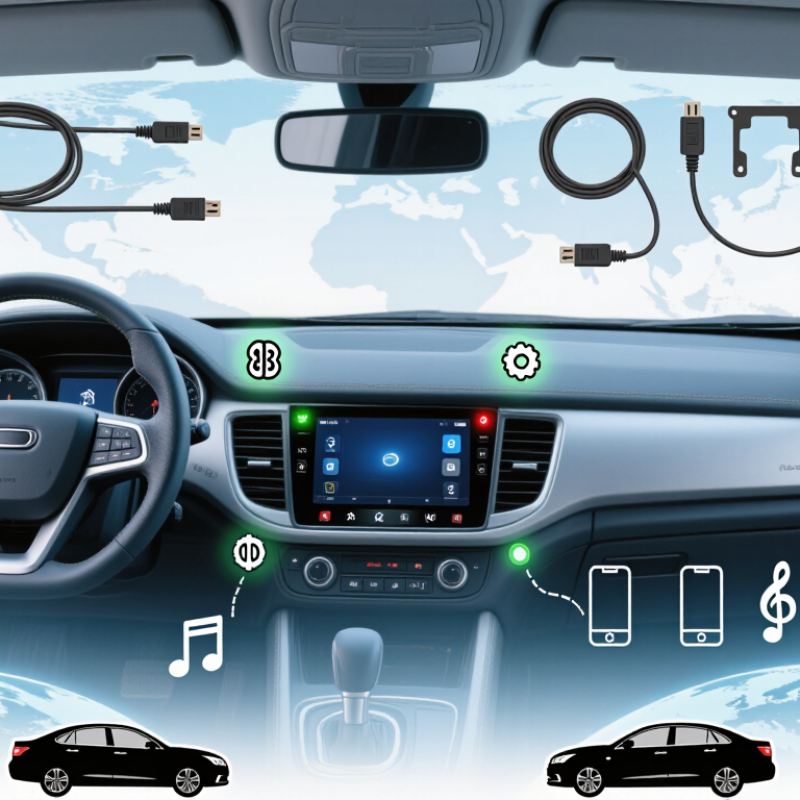
In 2026, a car stereo is more than a radio. It is the central interface for music, calls, navigation, and vehicle controls. A good system should make these tasks clear without distracting the driver. That matters. Screen brightness, readable text, and responsive physical controls can be as important as audio power.
A practical evaluation starts with the vehicle itself. Check dashboard dimensions, wiring, antenna connections, and steering-wheel control compatibility before comparing features. Then test common actions: pairing a phone, changing tracks, adjusting volume, and hearing a call through the cabin speakers. Menus should respond promptly, even with gloves or bright sunlight. Wireless features are convenient, but a dependable wired connection can still be useful on long trips.
Global buyers also need to consider local fit. Vehicle electronics, radio reception, language support, and available navigation services vary by market and model year. Confirm that the stereo supports the phone features and vehicle functions you actually use. Check how software updates are delivered and what personal data connected services may access. Specifications rarely tell the whole story; even a powerful system can feel awkward if its controls are buried.
I still think screen size gets too much attention. A clear interface and compatible installation often matter more.
Modern car stereos do more than play music. They connect phones, support navigation, and help drivers manage calls with fewer distractions. S&P Global Mobility reported that the average U.S. light vehicle was 12.6 years old in 2024, highlighting the appeal of practical upgrades for older cars.
(S&P Global Mobility, 2024, “Average Age of Vehicles in the U.S. Hits Record High.”)
Core features matter more than a large screen alone. Phone projection, Bluetooth, and USB-C support make everyday connections easier, while a digital signal processor can adjust sound for speaker placement and cabin acoustics. Some systems also accept a reversing camera or steering-wheel controls, but compatibility depends on the vehicle and wiring. Touchscreens can be useful; glare and tiny buttons can still frustrate drivers. Small details matter.
Tips: Check radio bands, language options, wiring, and dashboard dimensions before buying across borders. Confirm that maps and software updates support your region. Keep the original settings nearby during installation; one small mismatch can mean extra work.
Before choosing a car stereo, confirm the exact vehicle year, model, and trim. Measure the dashboard opening and check its depth, not just its width. Some cars need a mounting kit, wiring adapter, or antenna adapter. A plug that looks right may still need an adapter; appearance alone is not proof. Check whether factory cameras, steering-wheel controls, and amplifiers will keep working. These details vary, even within one model year.
Match the stereo’s phone features to your phone’s operating system and preferred connection. Check whether projection works by cable, wirelessly, or both. Then confirm that your phone supports the required feature and that a suitable USB port is available. Regional compatibility matters too. Radio frequency steps and supported bands can differ by market, while navigation and voice services may depend on local coverage. This is easy to overlook. Verify the unit’s specifications for your country before buying.
Tips: Photograph the dashboard connectors before ordering, and keep the original stereo until installation is complete. Test radio reception, calls, steering-wheel buttons, and phone connection before the installer finishes. If a feature is unclear, ask for written confirmation; I would not rely on a vague compatibility label.
2026 Best Car Stereo for Global Buyers
Comparing Car Stereo Types for Different Driving Needs
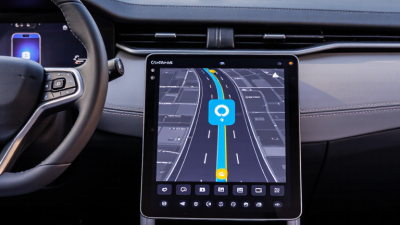
Choosing a car stereo starts with the drive, not the screen. A basic single-DIN receiver suits drivers who want clear audio, physical buttons, and minimal distraction. It fits older dashboards and is easier to operate by touch. For navigation-heavy commutes, a double-DIN touchscreen offers a larger map and clearer menus. Yet glare can wash out a screen, and touch controls are harder to use without looking.
A digital receiver with phone integration can suit drivers who already navigate on a phone. Check whether your phone connects by cable or wirelessly, and test voice controls before buying. The 2024 Deloitte Global Automotive Consumer Study surveyed 27,000 consumers across 26 countries, a reminder that preferences vary widely by market. A screen is not automatically an upgrade. Match the interface to your daily route and the car’s dashboard.
Safety deserves equal attention. NHTSA recorded 3,308 deaths in distraction-affected crashes in 2022, underscoring why simple controls matter. Compare brightness, button placement, and steering-wheel compatibility, not just features. A professional installation can help preserve factory functions, but fit varies by vehicle. There is no perfect type; the trade-off is easy to overlook.
| Stereo type | Typical format | Best suited to | Common features | Advantages | Trade-offs and fit notes |
|---|---|---|---|---|---|
| Basic single-DIN digital media receiver | Single-DIN chassis; nominal face opening is about 180 × 50 mm. | Drivers who mainly listen to radio, USB audio, or music streamed from a phone. | Often includes AM/FM or regional radio support, Bluetooth, USB, and a small display. Features vary by model and market. | Compact, generally straightforward to operate, and leaves dashboard space available for storage or controls. | Usually has a smaller display and fewer navigation or visual-media options. Check radio bands, connector type, and vehicle-specific fit before purchase. |
| Single-DIN CD receiver | Single-DIN chassis; some models add a fold-down or motorized front panel. | Drivers who still use audio CDs or want physical media playback. | May combine a CD player with radio, Bluetooth, USB, or auxiliary input; the exact combination depends on the unit. | Plays compatible audio discs without relying on mobile data or a streaming service. | Moving parts can require more dashboard clearance, and disc playback is less useful for drivers who use only digital audio. Confirm disc formats and panel clearance. |
| Double-DIN touchscreen receiver | Double-DIN chassis; nominal face opening is about 180 × 100 mm. | Drivers who want a larger in-dash interface for calls, media, and compatible smartphone functions. | Touchscreen, Bluetooth, and USB are common; some models support wired or wireless smartphone projection. Screen size and features vary. | Larger on-screen controls can make menus and compatible navigation apps easier to view than on a small single-DIN display. | Needs a suitable dashboard opening and may require a vehicle-specific trim kit, wiring adapter, or steering-wheel-control interface. Wireless features are not universal. |
| Single-DIN receiver with floating display | Single-DIN chassis with a screen mounted in front of the dashboard; screen size and adjustment range vary. | Vehicles with a single-DIN opening where the driver wants a larger display. | Depending on the model, may offer touchscreen controls, Bluetooth, USB, and smartphone projection. | Can provide a larger viewing area without a double-DIN dashboard opening. | The extended screen can obstruct vents, controls, or sightlines in some vehicles. Check mounting position, adjustment range, and dashboard clearance carefully. |
| Navigation-focused receiver | Most often a double-DIN touchscreen unit; some designs use a floating display. | Frequent travelers who want mapping and route guidance available through the stereo. | May provide built-in navigation, smartphone-based navigation, or both. Map coverage, updates, and offline availability differ by model and region. | Can present route guidance on a larger screen and may reduce the need to mount a separate phone. | Built-in maps may require updates; connected navigation can depend on a phone and data access. Verify map coverage for the countries where the vehicle will be used. |
| Rugged or marine-style receiver | Available in several formats; enclosure and control design vary. | Drivers of vehicles exposed to dust, moisture, vibration, or outdoor use, when the receiver is specifically rated for those conditions. | May include sealed controls or an environmental-resistance rating; Bluetooth and radio features depend on the unit. | A purpose-designed model may be more appropriate for harsh environments than a standard dashboard receiver. | Do not assume that a “marine-style” label makes a unit suitable for every vehicle or fully waterproof. Check the stated protection rating, installation location, and local requirements. |
Fit and compatibility note: DIN measurements describe common radio-opening formats, not guaranteed vehicle compatibility. Dashboard shape, mounting depth, wiring, antenna connections, factory amplifiers, and retained vehicle controls can require additional adapters or professional installation. Features and radio frequencies vary by model and country.
For global buyers, value is more than a low purchase price. Compare the receiver’s supported radio bands, language options, phone connections, and warranty coverage with your actual needs. S&P Global Mobility reported that the average age of light vehicles in the United States reached 12.6 years in 2024. That makes compatibility with an older dashboard especially relevant. Measure the opening, check the wiring harness, and confirm steering-wheel control support before ordering. A bargain unit can become expensive if installation requires extra adapters.
Installation is not universal. Dashboard shapes, factory amplifiers, and antenna connectors vary by vehicle and market. Ask a qualified installer for a written estimate that separates labor from parts. Keep the original trim pieces; small clips can be difficult to replace. Check whether the seller offers clear setup instructions and reachable support across your time zone. GSMA’s Mobile Economy 2024 report estimated 5.6 billion unique mobile subscribers worldwide in 2023, but broad phone adoption does not guarantee seamless pairing in every vehicle. Test your phone, navigation audio, and microphone before finalizing the installation.
Check the details. Confirm return terms, software-update access, and warranty service in your country. A high-resolution screen may look impressive in a shop, yet sunlight can expose glare that spec sheets barely describe. I would treat advertised features as claims to verify, not promises. Even a careful comparison can miss something. That is worth admitting.

| Sunday | CLOSED | |
| Monday | 9AM-12PM | 1PM-6PM |
| Tuesday | 9AM-12PM | 1PM-6PM |
| Wednesday | 9AM-12PM | 1PM-6PM |
| Thursday | CLOSED | |
| Friday | 9AM-12PM | 1PM-6PM |
| Saturday | 10AM-12PM | 1PM-6PM |
Please note that we are closed for lunch from 12PM-1PM daily.