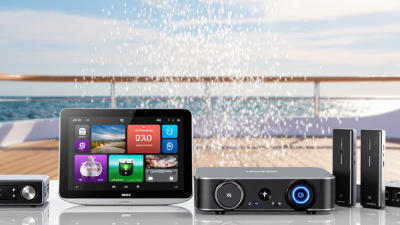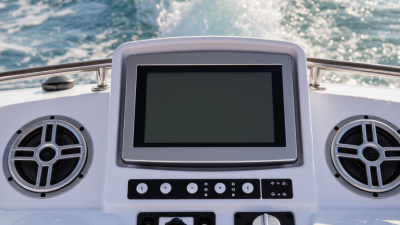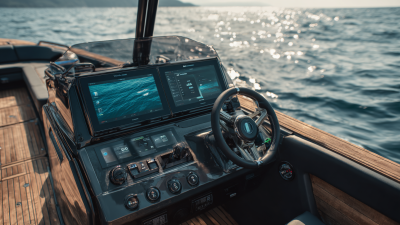
Choosing the best marine stereo in 2026 is about more than loudness. Salt spray, engine noise, direct sun, and wet hands all test a system in different ways. The National Marine Manufacturers Association’s 2024 U.S. Recreational Boating Statistical Abstract reports that about 100 million Americans go boating each year. That scale makes reliable, easy-to-use onboard audio a practical concern—not just a luxury.
NMMA president Frank Hugelmeyer has often emphasized boating’s value as a way for people to connect with family, friends, and the outdoors. That perspective is useful here, though it is not a direct quotation about stereo equipment. A good marine stereo should make those moments easier, not add fiddly controls or confusing setup. Clear sound matters. So does a readable screen at noon, Bluetooth that reconnects without fuss, and a head unit built for a damp helm.
The U.S. Coast Guard’s 2023 Recreational Boating Statistics report offers another reminder: boating takes place in varied, demanding conditions. A stereo’s IP water-resistance rating, corrosion-resistant connections, power output, and speaker placement deserve close attention. Bigger numbers do not always mean better sound. Installation can change the result, too; even quality speakers may disappoint when poorly positioned.
This guide compares the features that matter, explains common trade-offs, and helps match a marine stereo to your boat, budget, and listening habits. Some advice depends on the boat itself. That part is easy to overlook.
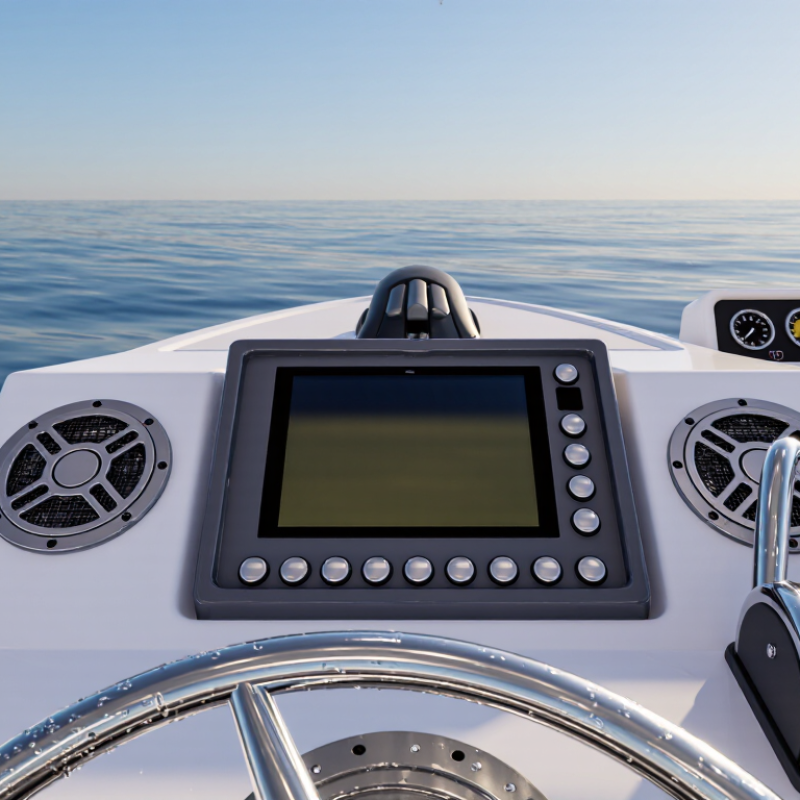
Choosing a marine stereo starts with the boat, not the feature list. A small open runabout may need a simple receiver and two cockpit speakers. A cabin cruiser might benefit from separate audio zones, so passengers can hear music outside without raising the volume below deck. Think about where people sit, how far the speakers are from the helm, and whether wet hands can reach the controls. Small details matter.
Marine stereos generally include source units, receiver-and-amplifier combinations, and systems built around a separate amplifier. A basic unit can suit a compact setup. More speakers, longer cable runs, or high-volume listening may call for an external amplifier. Check the unit’s marine rating and resistance to water, salt, and ultraviolet exposure. An IP rating helps describe protection, but it does not mean every device can be submerged. Read the installation limits carefully.
Match the system to real onboard habits. Bluetooth may be enough for short trips, while USB or radio can provide useful alternatives when a phone battery runs low. Look for controls that remain legible in bright sun and easy to operate underway. Check speaker placement and wiring plans before buying; installation can shape sound more than a long specification sheet suggests. I would not choose only by peak power. It sounds impressive, but tells little about clear listening at the helm. A modest setup may be the better fit. Still, needs change, and predicting every future use is difficult.
A marine stereo should sound clear over wind, engine noise, and splashing water, not just in a quiet showroom. Listen for vocals that remain distinct and bass that does not turn muddy when you raise the volume. That matters. Speaker placement and cabin shape affect what you hear, so a powerful receiver cannot fix every weak spot.
Compare continuous RMS power rather than headline peak watts. RMS ratings give a more useful basis for matching a stereo with speakers, though the numbers only help when measured under comparable conditions. A system with modest, clean output can be more enjoyable than one pushed into distortion. Listen at speed. If possible, test familiar music at a realistic volume, then check whether details stay clear without harshness.
Essential features depend on how you use the boat. Bluetooth is convenient, while a readable display and simple controls are valuable when hands are wet or sunlight is bright. Look for suitable water-resistance information, and confirm that the unit’s installation location matches its stated protection level. Check source options, phone compatibility, and wiring before buying. I would not choose by feature count alone; it is easy to pay for options that rarely leave the menu. A practical choice balances clean sound, appropriately matched power, and controls you can use confidently aboard.
A marine stereo must handle more than music. Salt spray, strong sunlight, vibration, and sudden temperature changes can wear down weak components. Look for a clear marine-use rating, corrosion-resistant connectors, and a faceplate designed to resist UV exposure. Check what the rating actually covers: a water-resistant front does not make every rear connection waterproof. Small detail. It matters.
Connectivity should fit how you use the boat. Bluetooth is convenient, but test pairing near the helm and consider whether the stereo reconnects after power is interrupted. USB playback can be useful when reception fades offshore. If you want control through a vessel network, confirm compatibility with your existing system before buying; marine networks are not automatically interchangeable. Also check whether the unit supports separate speaker zones. More features can help, though menus that are hard to use with wet hands become frustrating quickly.
Tips: Inspect the wiring harness and sealing points, not just the display. Match the stereo’s power requirements to your boat’s electrical system, and use marine-grade wiring and connectors during installation. Keep the unit’s manual aboard. One honest caveat: specifications cannot fully predict years of salt exposure, so regular rinsing and checking connections still matter.
| Evaluation dimension | What to check | Useful reference or factual detail | Why it matters |
|---|---|---|---|
| Water protection | Look for an IP rating and confirm which parts of the stereo it covers, such as the face, chassis, or remote. | Under IEC 60529, IPX6 tests protection against powerful water jets; IPX7 tests temporary immersion in water up to 1 m for 30 minutes. These are different tests. | A suitable rating helps match the unit to its mounting location, but does not make every installation or connection waterproof. |
| Corrosion resistance | Check for corrosion-resistant materials, sealed connectors, protected circuit boards, and care instructions for salt exposure. | IP water-ingress ratings do not measure resistance to salt corrosion. Salt-fog testing, when specified, should identify the test method and duration. | Salt spray and humid air can damage metal parts and electrical contacts even when water ingress is controlled. |
| Power compatibility | Confirm the stereo’s specified DC input range, wiring requirements, fuse rating, and compatibility with the vessel’s electrical system. | Many recreational boats use 12 V DC systems, but vessel configurations vary. Follow the unit’s voltage and installation specifications rather than assuming compatibility. | Correct wiring and overcurrent protection reduce the risk of electrical faults and unreliable operation. |
| Bluetooth connectivity | Check supported Bluetooth audio and control profiles, pairing limits, and whether the unit can reconnect automatically. | A2DP is commonly used for stereo audio streaming; AVRCP supports remote playback control. Bluetooth version alone does not guarantee a particular real-world range. | Profile support determines which streaming and control functions work with a phone or other device. |
| Wired and wireless sources | Review the available inputs, such as USB, auxiliary audio, and supported radio sources; verify file and device compatibility. | USB playback formats and charging output are model-specific. An auxiliary input carries audio but does not provide device charging or playback controls. | Multiple source options help maintain access to music when wireless service or a phone connection is unavailable. |
| Audio output and expansion | Compare continuous (RMS) amplifier power, speaker-channel count, supported speaker impedance, and preamp or subwoofer outputs. | RMS output is more useful for comparing sustained power than peak-power figures. Check the test conditions and impedance listed in the specifications. | Matching the stereo to the speakers and any external amplifier supports clear sound and a practical upgrade path. |
| Radio and antenna setup | Check supported broadcast bands and antenna connections, and confirm whether a suitable antenna is included or required separately. | Radio reception depends on the broadcast band, antenna, installation, and local signal conditions; reception performance cannot be judged from tuner specifications alone. | A compatible antenna and installation are essential for dependable reception on the water. |
| Controls and display | Assess button size, display readability in sunlight, night dimming, remote-control options, and operation with wet hands. | Display brightness, viewing angle, and remote compatibility vary by model; check these features in the specifications or in person. | Clear, accessible controls make adjustments easier while the vessel is moving or exposed to glare. |
| Fit and installation | Measure the mounting opening and available depth; check wiring access, ventilation, and any required mounting gasket. | Mounting dimensions and cutout templates are model-specific. A water-resistant front panel does not replace correct sealing and installation. | Accurate measurements help avoid fit problems and reduce the chance of water entering behind the unit. |
| Warranty and documentation | Read the warranty terms, installation instructions, supported formats, and guidance for rinsing or storage after saltwater use. | Warranty coverage and exclusions differ by product and region; water damage may be treated differently depending on installation and stated protection. | Clear documentation helps set realistic expectations for maintenance, service, and long-term ownership. |
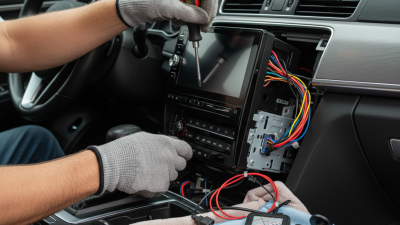
Before choosing a marine stereo, check the boat’s supply voltage, mounting space, and existing wiring. Measure the dashboard cutout, including depth behind it; a unit can fit the opening yet collide with cables or a helm brace. NMMA industry data notes that about 95% of boats on U.S. waters are under 26 feet, where compact consoles and limited installation space are common. Small details matter. Confirm the stereo’s required voltage matches the boat’s system, then check fuse size, available circuit capacity, and connector condition. A corroded plug can undermine an otherwise compatible setup.
Next, map the equipment you want to keep. Compare speaker impedance and power requirements with the stereo’s specifications, and check whether existing remotes, amplifiers, antennas, or displays use compatible connections. For networked equipment, verify support for the relevant NMEA 2000 functions; sharing a network does not guarantee that every device can exchange every type of data. Check the manufacturer’s wiring diagram and the vessel’s documentation, rather than relying on wire colors alone. Marine installations face spray, vibration, and temperature changes, so confirm the unit’s stated water-resistance rating and use marine-suitable connectors. A tidy fit is not proof of compatibility. It is easy to overlook the small print.
Start by checking your boat’s electrical system. Marine audio equipment must be compatible with the vessel’s nominal DC voltage; 12 V and 24 V systems are common. Confirm the stereo’s specified input-voltage range before connecting it.
The bars show nominal system voltages to check—not stereo power ratings. Also verify wiring, speaker impedance, antenna connections, and available mounting space.
Start with the amount you can spend on the complete setup, not just the stereo. Compatible speakers, marine-grade wiring, mounting hardware, and installation may add to the bill. Check the unit’s environmental rating and dimensions before buying. Salt spray, strong sun, and wet hands are routine aboard. That matters.
Think about your typical trips. For short outings, clear controls, a readable display, and Bluetooth may be enough. Longer days can make radio reception, USB playback, and low power draw more valuable. Match the stereo’s output to your speakers, and consider your battery capacity. More volume is not always better. It can drain power without improving sound in an open cockpit.
Also consider where you’ll use the controls. A display that looks sharp at the dock may be hard to read in glare. If you fish, wear gloves, or steer while adjusting audio, physical buttons can be easier than menus. For occasional use, paying extra for features you rarely touch may be wasteful. I might still choose a higher-rated unit for a boat exposed to harsh weather, though that choice depends on storage and maintenance. A small detail can change the value.

| Sunday | CLOSED | |
| Monday | 9AM-12PM | 1PM-6PM |
| Tuesday | 9AM-12PM | 1PM-6PM |
| Wednesday | 9AM-12PM | 1PM-6PM |
| Thursday | CLOSED | |
| Friday | 9AM-12PM | 1PM-6PM |
| Saturday | 10AM-12PM | 1PM-6PM |
Please note that we are closed for lunch from 12PM-1PM daily.